What Makes This Version Stand Out
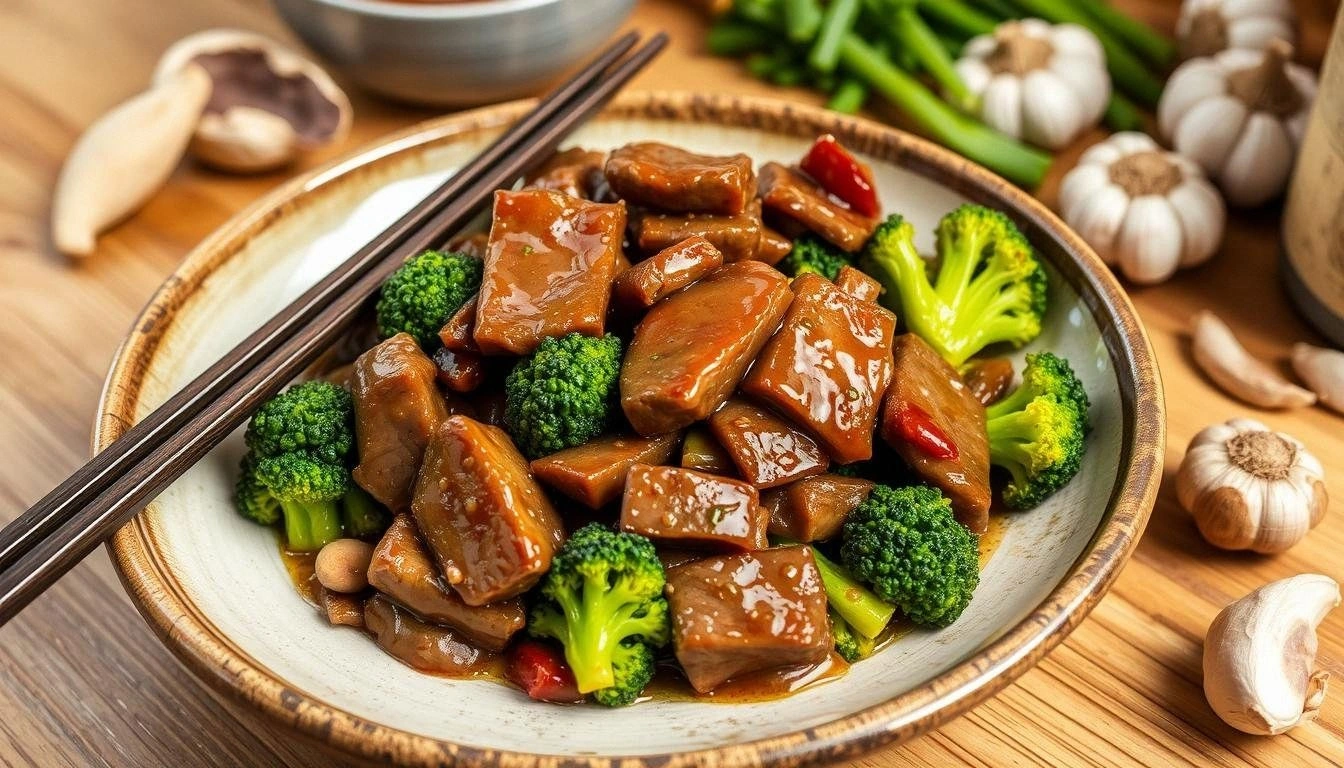
- Flavor: The blend of soy sauce, ginger, and garlic creates a depth that mimics the best takeout, yet it’s fresh and vibrant. The sauce coats the beef like velvet, sealing in juices and adding a subtle sweetness that balances the umami.
- Texture: Thinly sliced flank steak is marinated to keep it tender, then seared to develop a caramelized crust that snaps like crisp edges that shatter like thin ice. Broccoli florets are steamed just until bright green, preserving crunch without becoming mushy.
- Speed: From prep to plate, the dish takes less than 45 minutes. That means you can have a restaurant‑quality meal ready before your friends arrive for dinner.
- Ingredient Quality: Using fresh broccoli and a good‑quality soy sauce makes a noticeable difference. The contrast between the crisp vegetables and the silky sauce is a testament to the importance of quality ingredients.
- Versatility: This recipe is a canvas. Swap the protein for shrimp or tofu, or add a splash of hoisin for a sweeter profile. The base remains robust enough to carry any variation.
- Crowd Reaction: At my last dinner party, the dish was the highlight. Guests kept asking for the recipe, and I had to remind them it was homemade, not takeout.
- Make‑Ahead Friendly: The sauce can be prepared a day ahead, and the dish reheats beautifully. The flavors deepen, and the broccoli stays vibrant.
- Health Conscious: With only 15g of fat per serving and a good protein punch, it’s a balanced meal that satisfies without the guilt.
Alright, let's break down exactly what goes into this masterpiece...
Inside the Ingredient List
The Flavor Base
Soy sauce is the heart of this dish, providing the savory, salty foundation that every takeout lover knows. A quarter cup is enough to coat the beef without overpowering the other flavors. If you prefer a lower sodium version, use a reduced‑sodium soy sauce or a splash of tamari for an extra depth of umami.
Garlic, minced finely, releases its oils and sweetens the sauce, while ginger adds a bright, slightly peppery kick that keeps the dish from feeling flat. Together, they form a fragrant bouquet that lingers long after the meal is finished. Skipping either would leave the sauce feeling one‑dimensional.
The Texture Crew
Broccoli florets are the crunchy counterpart to the tender steak. They should be steamed just until bright green and slightly tender, not fully soft. This preserves their natural sugars, which caramelize when they hit the pan, adding a subtle sweetness to the sauce.
Cornstarch is the secret to that glossy, thick sauce that clings to every bite. It’s a light, neutral thickener that doesn’t alter the flavor but gives the dish a silky finish. If you’re avoiding gluten, use arrowroot or rice starch instead.
The Unexpected Star
Vegetable oil is chosen for its high smoke point, allowing the steak to sear at a high temperature without burning. It also gives the dish a neutral base that lets the other flavors shine. If you prefer a richer flavor, swap it for sesame oil, but be careful not to let it overpower the soy sauce.
The 1‑pound flank steak is a budget‑friendly cut that, when sliced thin, turns into a juicy, flavorful protein. Look for a piece with a good marbling pattern; this ensures a more tender bite. If you can’t find flank, a sirloin tip or top round works as a close substitute.
The Final Flourish
The combination of minced garlic and ginger not only adds depth but also acts as a natural preservative, extending the dish’s shelf life. When you reheat, a splash of water restores the sauce’s original viscosity, keeping it silky rather than dry.
If you’re craving a bit of heat, add a pinch of red pepper flakes or a drizzle of sriracha after the dish is finished. This small tweak can transform the flavor profile and make the dish feel like a new experience.
Everything's prepped? Good. Let's get into the real action...
The Method — Step by Step
- Season the sliced flank steak with a pinch of salt and pepper. This simple step ensures that the meat’s natural flavors are highlighted and that the sear forms a caramelized crust. Let it rest for 5 minutes; this allows the seasoning to penetrate the fibers. During this time, you can steam the broccoli florets for 3 minutes to soften them slightly.
- Heat 1 tablespoon of vegetable oil in a large skillet over high heat until it shimmers. The oil’s high smoke point allows the steak to sear without burning. Add the steak in a single layer, making sure not to crowd the pan. If the steak sticks, give it a moment to develop a crust before flipping.
- Sear the steak for 1–2 minutes on each side until it’s nicely browned but still slightly pink inside. The goal is to lock in juices, not to cook the meat fully. This step creates a caramelized exterior that adds depth to the sauce.
- Transfer the steak to a plate and cover loosely with foil to keep it warm. This pause allows the juices to redistribute, keeping the meat moist when it’s finished. While the steak rests, combine the soy sauce, cornstarch, minced garlic, and ginger in a small bowl.
- In the same skillet, add the remaining tablespoon of oil and heat until hot. Pour in the sauce mixture, whisking constantly to prevent lumps. The sauce should thicken and become glossy within 2–3 minutes. This is the moment of truth—watch the colors change and the aroma intensify.
- Return the steak to the skillet, tossing it in the sauce to coat evenly. The steak should be fully cooked at this point, but the sauce will continue to thicken. The heat should be medium, not high, to avoid burning the sauce.
- Add the steamed broccoli to the skillet, stirring gently to combine. The broccoli should be heated through but still retain its vibrant green color and slight crunch. Let everything simmer together for 2 minutes, allowing the flavors to meld.
- Taste the sauce and adjust seasoning if necessary. A splash of water can be added if the sauce feels too thick. This final tweak ensures the sauce remains silky and clingy.
- Serve immediately over steamed rice or noodles, spooning the sauce generously over the beef and broccoli. The steam will create a warm, comforting atmosphere that’s perfect for any day.
- Enjoy your creation, knowing that you’ve mastered a dish that rivals your favorite takeout. The flavors will linger, and you’ll feel a sense of culinary triumph.
That's it — you did it. But hold on, I've got a few more tricks that'll take this to another level...
Insider Tricks for Flawless Results
The Temperature Rule Nobody Follows
Seared steak at high heat creates a caramelized crust, but if the pan is too hot, the exterior will burn while the inside remains raw. Use a thermometer or the “water droplet” test: sprinkle a few drops of water on the pan; if they dance and evaporate quickly, the heat is just right. This small adjustment guarantees a perfect sear every time.
Why Your Nose Knows Best
Smell the sauce as it thickens; it should smell caramelized and slightly sweet. If it starts to smell bitter, the cornstarch has cooked too long. Stop the heat immediately to preserve the flavor profile. My friend once over‑cooked the sauce, and the dish tasted like a burnt rubber bar. It was a hard lesson learned.
The 5-Minute Rest That Changes Everything
Letting the steak rest for 5 minutes after searing allows the juices to redistribute, keeping the meat tender and juicy. Cutting into it immediately would cause the juices to escape, leaving the steak dry. This simple pause can transform a good dish into a great one.
Use a Splatter Screen for Cleaner Cooking
When searing the steak, the oil can splatter dramatically, creating a mess and a potential hazard. A splatter screen keeps the kitchen clean and protects your eyes from hot oil. It’s a small investment that pays off in kitchen safety.
Add a Splash of Sesame Oil at the End
A few drops of toasted sesame oil added just before serving adds a nutty aroma that elevates the dish. It also enhances the umami of the soy sauce, giving the sauce a deeper, richer flavor. Remember, a little goes a long way.
With these tricks, you’ll consistently achieve a dish that looks, smells, and tastes like a five‑star takeout. You’ll also gain confidence in your skillet‑based cooking skills.
Creative Twists and Variations
This recipe is a playground. Here are some of my favorite ways to switch things up:
Citrus Kick
Add a tablespoon of freshly squeezed lime juice to the sauce for a bright, tangy twist. The citrus cuts through the richness and adds a refreshing note. This variation pairs wonderfully with a side of jasmine rice.
Spicy Sriracha Heat
Stir in a teaspoon of sriracha after the sauce thickens. The heat level can be adjusted to taste, and the smoky flavor complements the soy sauce beautifully. This version is a hit with anyone who loves a little spice.
Vegetarian Delight
Replace the flank steak with sliced shiitake mushrooms or firm tofu. Marinate the tofu in soy sauce, garlic, and ginger before cooking to infuse flavor. The result is a hearty, plant‑based dish that still satisfies.
Sweet and Sticky Glaze
Add a tablespoon of honey or brown sugar to the sauce for a caramelized glaze. The sweetness balances the savory notes, creating a glossy coating that clings to the beef and broccoli. Serve over noodles for a comforting meal.
Herb‑Infused Variation
Stir in a handful of chopped fresh basil or cilantro just before serving. The herbs add a burst of freshness that lightens the dish. This variation is perfect for a summer dinner.
Crispy Tofu Crunch
For extra texture, coat tofu cubes in cornstarch before pan‑frying until golden. Toss the crispy tofu with the sauce and broccoli. The contrast between the crunchy tofu and tender broccoli creates an exciting mouthfeel.
Storing and Bringing It Back to Life
Fridge Storage
Store leftovers in an airtight container for up to 3 days. The sauce may thicken slightly in the fridge, but a splash of water will restore its silky texture. Keep the rice separate to avoid sogginess.
Freezer Friendly
Freeze in a freezer‑safe container for up to 2 weeks. Thaw overnight in the fridge before reheating. Reheat on the stovetop, stirring frequently, until hot throughout. The broccoli may soften a bit, but the flavors remain intact.
Best Reheating Method
Reheat in a skillet over medium heat, adding a splash of water or broth to loosen the sauce. Stir until the sauce reaches a silky consistency and the beef is heated through. This method preserves the sauce’s glossy finish and prevents the dish from drying out.