I burned the broccoli. Again. There I was, standing in my tiny kitchen, waving a dish towel at the smoke detector like a maniac, while the charred remains of what was supposed to be a simple side dish mocked me from the baking sheet. My friend Sarah had bet me twenty bucks that I couldn't make broccoli taste like comfort food, and I was about to pay up—both literally and figuratively. But then something magical happened. Instead of admitting defeat, I grabbed that poor overcooked broccoli and smashed it into submission, showered it with cheese, and created what would become the most requested dish at every gathering for the next three years.
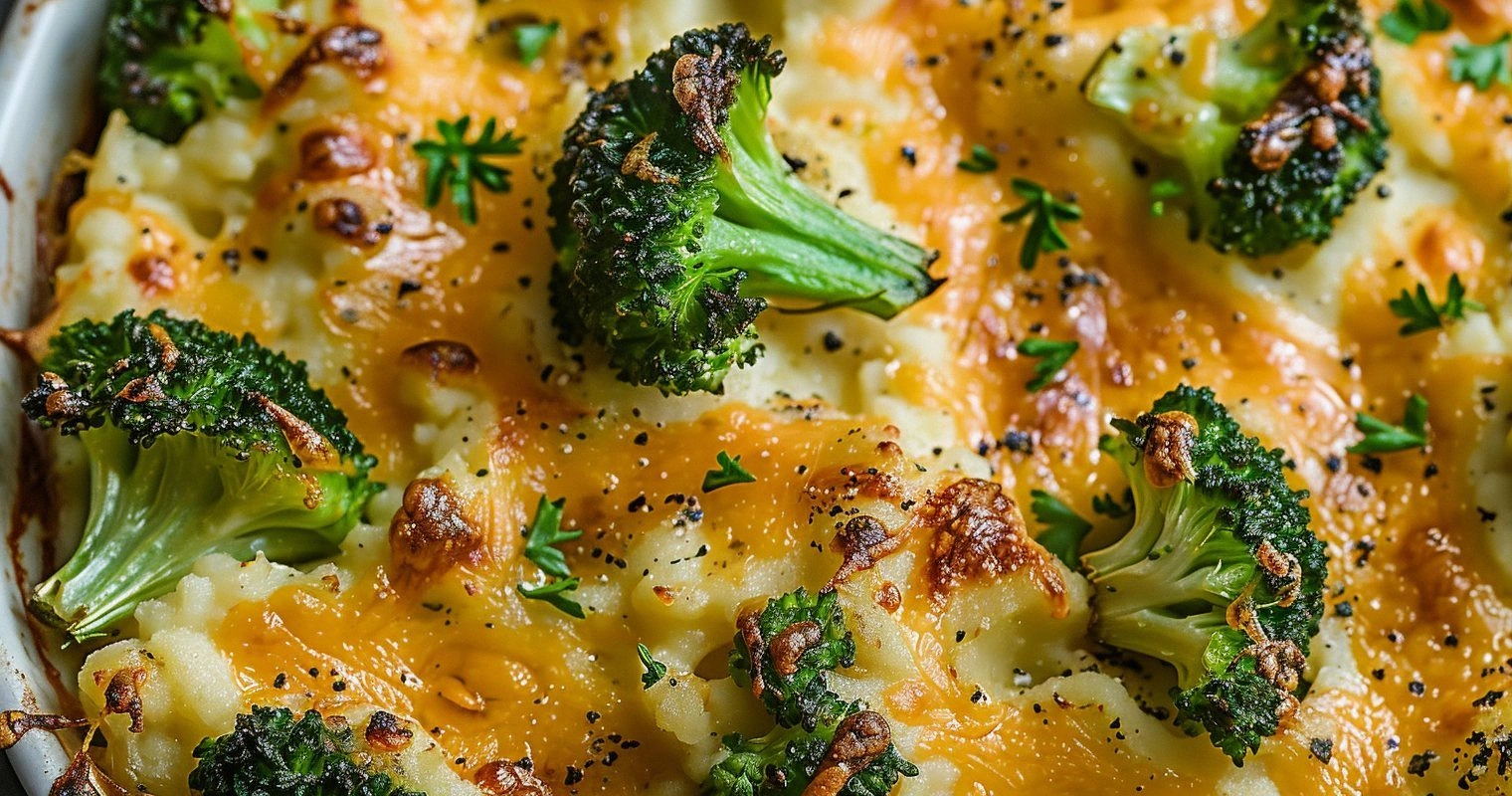
Picture this: tender broccoli florets that have been roasted until their edges caramelize into these gorgeous crispy bits, then smashed and coated in a three-cheese blend that melts into every nook and cranny. The smell alone—nutty Parmesan, sharp cheddar, and creamy mozzarella mingling with roasted garlic and a hint of lemon zest—will have your neighbors knocking on your door asking what on earth you're making. I dare you to taste this and not go back for seconds. Actually, I dare you to taste this and not eat the entire pan standing at your kitchen counter, burning your tongue because you couldn't even wait for it to cool.
What started as a kitchen disaster has become my signature dish, the one that converts even the most stubborn vegetable-haters into broccoli believers. Most recipes get this completely wrong by either steaming the life out of broccoli or roasting it until it's a sad, shriveled shadow of its former self. Here's what actually works: we roast first to develop those deep, nutty flavors, then smash to create more surface area for maximum cheese coverage, then roast again until everything is golden and bubbling. The result? Broccoli that tastes like it belongs on a steakhouse menu, but requires zero special skills and just one pan.
Stay with me here—this is worth it. I'm about to show you how to transform a basic head of broccoli into something that'll make you the hero of weeknight dinners, potlucks, and holiday tables. By the end of this, you'll wonder how you ever made it any other way.
What Makes This Version Stand Out
Triple-Threat Cheese: We're not just throwing some shredded cheese on top and calling it a day. The combination of sharp cheddar for depth, mozzarella for that Instagram-worthy cheese pull, and Parmesan for umami-packed crunch creates a flavor profile that's way more sophisticated than it has any right to be.
The Smash Technique: Most recipes treat broccoli like it's delicate royalty that must never be disturbed. Nonsense. By smashing the florets after the first roast, we create all these craggy surfaces where cheese can pool and crisp up like frico. Those crispy edges shatter like thin ice, giving way to tender broccoli underneath.
Two-Stage Roasting: The first roast develops flavor through caramelization, while the second roast after smashing and cheesing ensures every bite is properly coated and the cheese gets those perfectly golden spots. This is hands down the best version you'll ever make at home.
Flavor Bomb Seasoning: Instead of just salt and pepper, we're using a blend of garlic powder, smoked paprika, and lemon zest that wakes up the broccoli and makes the cheese taste even cheesier. It's like adding a subwoofer to your favorite song—you didn't know what you were missing until you hear it.
Make-Ahead Magic: You can prep this entire dish up to the final roast, then pop it in the oven when guests arrive. It bakes while you're pouring drinks and catching up, emerging hot and bubbling just when everyone starts asking about dinner.
One-Pan Wonder: Everything happens on a single baking sheet, which means minimal cleanup and maximum flavor development. The broccoli bits that stick to the pan? Those are the cook's treat—trust me on this one.
Vegetable Disguise: Kids who normally feed broccoli to the dog under the table will fight you for the last piece. Adults who claim they don't like vegetables will ask for the recipe. It's basically culinary witchcraft.
Inside the Ingredient List
The Flavor Base
Let's start with the broccoli because not all florets are created equal. You want a large, heavy head with tight, dark green florets and a firm stalk. If the florets are starting to yellow or the stalk feels hollow, skip it—this is the foundation of your dish, and there's no hiding subpar produce. I always buy two heads because I snack on raw pieces while cooking, and you'll want extra for testing doneness.
Olive oil might seem basic, but it's carrying all your seasonings, so use the good stuff. I'm talking about oil that actually tastes like olives, not just grease that keeps things from sticking. The oil helps conduct heat to the broccoli, creating those gorgeous charred spots that add smoky depth. If you're out of olive oil, avocado oil works, but avoid neutral oils like canola—they don't bring anything to the flavor party.
Garlic powder is my secret weapon here. Fresh garlic burns at high temperatures, but garlic powder distributes evenly and creates a subtle background note that makes the cheese taste even more complex. Don't substitute garlic salt—it's too salty and doesn't have the same concentrated flavor. If you only have fresh garlic, mince it super fine and add it with the cheese for the second roast.
The Texture Crew
Sharp cheddar isn't just about flavor—it's about texture too. When it melts, it creates these stretchy strands that give you that satisfying cheese pull, but it also forms a crusty edge that provides textural contrast. I always grate my own cheese because pre-shredded cheese is coated with cellulose that prevents proper melting. It takes an extra minute, but the difference is like comparing a fresh croissant to one from a gas station.
Mozzarella is your texture insurance policy. It provides that gooey, stretchy quality that makes people close their eyes and make embarrassing little happy sounds. Use low-moisture mozzarella, not fresh buffalo mozzarella, which releases too much water and makes everything soggy. Cube it instead of shredding—it creates these glorious cheese pockets that burst when you bite them.
Parmesan is where the magic happens. It doesn't just melt—it transforms into these crispy, lacy edges that taste like the world's most sophisticated cheese cracker. Always buy a wedge and grate it yourself; the pre-grated stuff in the green can is wood pulp compared to the real deal. Save the rind for soup—it adds incredible depth to minestrone.
The Unexpected Star
Lemon zest might seem out of place in a cheesy dish, but hear me out. The bright, citrusy notes cut through the richness and make the cheese taste even more intensely cheesy. It's like adding a frame to a painting—it doesn't change the art, but it makes everything pop more. Zest your lemon before juicing it, and only use the yellow part—white pith is bitter and will ruin everything.
Smoked paprika is my other secret weapon. It adds a subtle smokiness that makes people ask if you used a wood-fired oven, even though you just used a regular old baking sheet. Hungarian smoked paprika is worth seeking out—it's fruitier and more complex than the Spanish variety. If you can't find it, regular paprika plus a tiny pinch of chipotle powder works in a pinch.
The Final Flourish
Red pepper flakes aren't mandatory, but they add a gentle warmth that builds as you eat, making each bite slightly more addictive than the last. I use just a pinch—enough to make people wonder what's different, not enough to make them reach for water. If you're cooking for kids, leave it out and serve chili oil on the side for the adults.
Everything seasoning blend (yes, the stuff from the bagel shop) takes this dish into dangerous territory. The combination of sesame seeds, poppy seeds, dried garlic, and onion creates these little flavor bombs that complement the broccoli in ways that shouldn't work but absolutely do. It's optional, but once you try it, you'll never go back.
Everything's prepped? Good. Let's get into the real action...
The Method — Step by Step
- Preheat your oven to 425°F (220°C) and position a rack in the upper third. This higher position ensures the broccoli gets those gorgeous charred edges without drying out the centers. While it's heating, line a rimmed baking sheet with crinkled parchment paper—the wrinkles are crucial for creating texture. If you've ever struggled with soggy broccoli, you're not alone—and I've got the fix. The secret is starting with a screaming hot pan, which sears the bottom while the top roasts.
- Cut your broccoli into 2-inch florets, keeping them roughly the same size so they cook evenly. Don't toss those stalks—peel them with a vegetable peeler and cut into ½-inch coins. They're sweeter than the florets and get incredibly tender when roasted. Picture yourself pulling this out of the oven, the whole kitchen smelling incredible, and knowing those stalk pieces will be the cook's reward. Dry everything thoroughly with a kitchen towel because water is the enemy of caramelization.
- In a large bowl, toss the broccoli with 3 tablespoons olive oil until every piece is glistening. Add 1 teaspoon salt, ½ teaspoon black pepper, 1 teaspoon garlic powder, and ½ teaspoon smoked paprika. Toss like your life depends on it—every crevice should be seasoned. That sizzle when it hits the pan? Absolute perfection. Spread the broccoli in a single layer, cut side down where possible for maximum browning.
- Roast for 15 minutes without touching it. I know, I know—you want to stir it, but resist. Those crispy bottoms are flavor gold, and stirring releases steam that prevents proper browning. Set a timer and walk away. Don't peek, don't stir, don't even think about it. This is the moment of truth where we develop the deep, nutty flavors that make this dish special.
- Remove the pan and crank the heat up to 450°F. Now comes the fun part—using the bottom of a heavy glass or a potato masher, smash each floret until it's about ½-inch thick. Don't go crazy here; you want craggy surfaces, not broccoli paste. Some pieces will break apart—that's perfect. Those little bits will turn into crispy cheese-covered chips that you'll fight over.
- Time for the cheese! Sprinkle 1 cup sharp cheddar, ½ cup mozzarella cubes, and ¼ cup grated Parmesan over the smashed broccoli. Don't just dump it on—strategically place cheese so it drips into all those nooks and crannies you just created. Add the lemon zest and a pinch of red pepper flakes now. The residual heat starts melting everything immediately, creating this gorgeous cheese blanket.
- Slide the pan back into the oven for 8-10 minutes, rotating halfway through. You're looking for cheese that's bubbling around the edges and developing those dark brown spots that taste like caramel. The broccoli should be tender enough to pierce with a fork but still have some bite. If the cheese isn't browning fast enough, switch to broil for the last minute—but keep your eyes glued to it.
- Let it rest for 5 minutes—yes, this requires superhuman patience, but it allows the cheese to set slightly so you get those Instagram-worthy cheese pulls. Sprinkle with fresh parsley if you're feeling fancy, or just dig in with a fork like I do. I'll be honest—I ate half the batch before anyone else got to try it. The combination of crispy cheese edges, tender broccoli, and gooey centers is absolutely irresistible.
That's it—you did it. But hold on, I've got a few more tricks that'll take this to another level...
Insider Tricks for Flawless Results
The Temperature Rule Nobody Follows
Your oven runs hot. I don't care what the display says—unless you've calibrated it recently, it's probably off by 25 degrees, and that matters when you're trying to achieve cheese nirvana. Get an oven thermometer (they cost like five bucks) and hang it from your center rack. The difference between 425°F and 450°F is the difference between soggy and spectacular. A friend tried skipping this step once—let's just say it didn't end well, and she served what looked like green cheese soup to her in-laws.
Why Your Nose Knows Best
Forget timers—your nose is the most reliable kitchen tool you own. When the cheese hits that perfect golden stage, it releases this nutty, buttery aroma that's impossible to describe but unmistakable once you know it. It's like your brain's built-in doneness indicator. The first time you smell it, you'll understand exactly what I mean. Until then, set a timer for the minimum time and start hovering around the 6-minute mark.
The 5-Minute Rest That Changes Everything
I know you're tempted to dig in immediately—resist! Those five minutes of rest time allow the cheese to firm up just enough to hold together when you serve it, while the broccoli finishes cooking in the residual heat. It's like letting a steak rest, but for vegetables. Plus, the cheese that's stuck to the pan becomes these crispy chips that are basically illegal in how good they taste. Use a metal spatula to scrape them up; they're the cook's reward for not eating everything straight off the pan.
The Crowd Control Method
Doubling this recipe seems logical for a crowd, but here's the thing: it doesn't work. The broccoli steams instead of roasts when the pan is overcrowded. Instead, use two pans on separate racks, switching their positions halfway through. If you're cooking for more than six people, make it in batches and keep the first batch warm in a 200°F oven. Yes, it's more work, but soggy broccoli will ruin your reputation faster than you can say "potluck disaster."
The Salt Timing Secret
Season in layers. Salt the broccoli before roasting so it penetrates the vegetable, then add a tiny pinch of flaky salt on the cheese right before serving. This gives you two different salt experiences: the seasoned broccoli and the crunchy salt crystals that pop against the rich cheese. It's a small touch that makes people wonder why your version tastes so much better than theirs.
Creative Twists and Variations
This recipe is a playground. Here are some of my favorite ways to switch things up:
The Buffalo Wing Version
Replace half the olive oil with melted butter, then toss the roasted broccoli with buffalo sauce before adding the cheese. Use blue cheese instead of cheddar, and serve with celery sticks for the full sports bar experience. The spicy, tangy sauce against the cooling cheese is absolutely addictive. Even people who claim they hate vegetables will demolish this version.
The Everything Bagel Remix
Skip the smoked paprika and use everything bagel seasoning instead. Add cream cheese cubes along with the mozzarella for little pockets of creamy goodness. The sesame seeds toast while everything roasts, creating these nutty, toasty bits that complement the broccoli perfectly. It's like your favorite bagel got a vegetable makeover, and yes, it's as good as it sounds.
The Mediterranean Escape
Swap cheddar for feta, add sun-dried tomatoes and olives, and finish with fresh oregano instead of parsley. The briny, salty feta against the slightly bitter broccoli is a match made in Mediterranean heaven. A squeeze of lemon juice right before serving brightens everything up and makes you feel like you're eating on a Greek island instead of your cramped apartment kitchen.
The Truffle Luxury
Add a few drops of truffle oil to the olive oil before tossing, use fontina instead of mozzarella, and finish with fresh chives. This version tastes like it costs $25 at a fancy restaurant, but you made it in your pajamas. The earthy truffle oil elevates everything without overwhelming the broccoli. Save this one for date night or when you want to impress your foodie friends.
The Breakfast Version
Roast the broccoli with breakfast sausage crumbled on top, use pepper jack cheese, and crack a few eggs right on the pan for the last 5 minutes of cooking. The eggs set in the cheese, creating these little pockets of runny yolk that mix with the crispy edges. Serve with hot sauce for a breakfast that'll make you forget cereal ever existed.
The Vegan Magic
Use nutritional yeast for umami, cashew cream for richness, and vegan mozzarella shreds. The key is adding a teaspoon of white miso to the oil mixture—it creates that depth you usually get from aged cheese. No, it doesn't taste exactly like the dairy version, but it's so good in its own right that even cheese lovers ask for the recipe.
Storing and Bringing It Back to Life
Fridge Storage
Store leftovers in an airtight container with a paper towel on top to absorb moisture. It'll keep for up to 4 days, though honestly, I've never seen it last more than 24 hours in my house. The cheese will firm up in the fridge, but don't panic—reheating brings it back to life. Avoid stacking pieces on top of each other; they stick together and you'll lose those precious crispy edges.
Freezer Friendly
Here's the thing: I don't recommend freezing this dish. The broccoli gets mushy and the cheese separates into a greasy mess when thawed. If you absolutely must freeze it, undercook the broccoli slightly and freeze in single portions. Reheat from frozen in a 400°F oven for 12-15 minutes, but know that you're sacrificing texture for convenience. Sometimes you just have to accept that some things are meant to be eaten fresh.
Best Reheating Method
The microwave is your enemy here—it turns everything rubbery and sad. Instead, reheat in a dry skillet over medium heat for 5-7 minutes, adding a tiny splash of water before covering with a lid. The water creates steam that rehydrates the broccoli without making it soggy, while the direct heat crisps up the cheese again. Add a fresh sprinkle of cheese in the last minute for that just-baked taste. It's almost as good as the first time around—almost.