I was in the middle of a chaotic Sunday dinner, juggling a pot of spaghetti, a pan of sautéed onions, and a rogue bag of frozen peas that had decided to escape the freezer. The kitchen smelled like burnt garlic and overcooked pasta, and my friends were staring at me with that classic “what are you doing?” expression. I’d been craving something bright, crisp, and utterly unapologetic for weeks, and that moment of culinary disaster felt like a sign: it was time to ditch the ordinary and create a dish that would make everyone forget the spaghetti fiasco. I found a recipe in a half‑forgotten cookbook, but I knew it could be better; I had a vision of tofu that’s crispy on the outside, tender on the inside, and coated in a salt‑and‑pepper sauce that sings with umami.
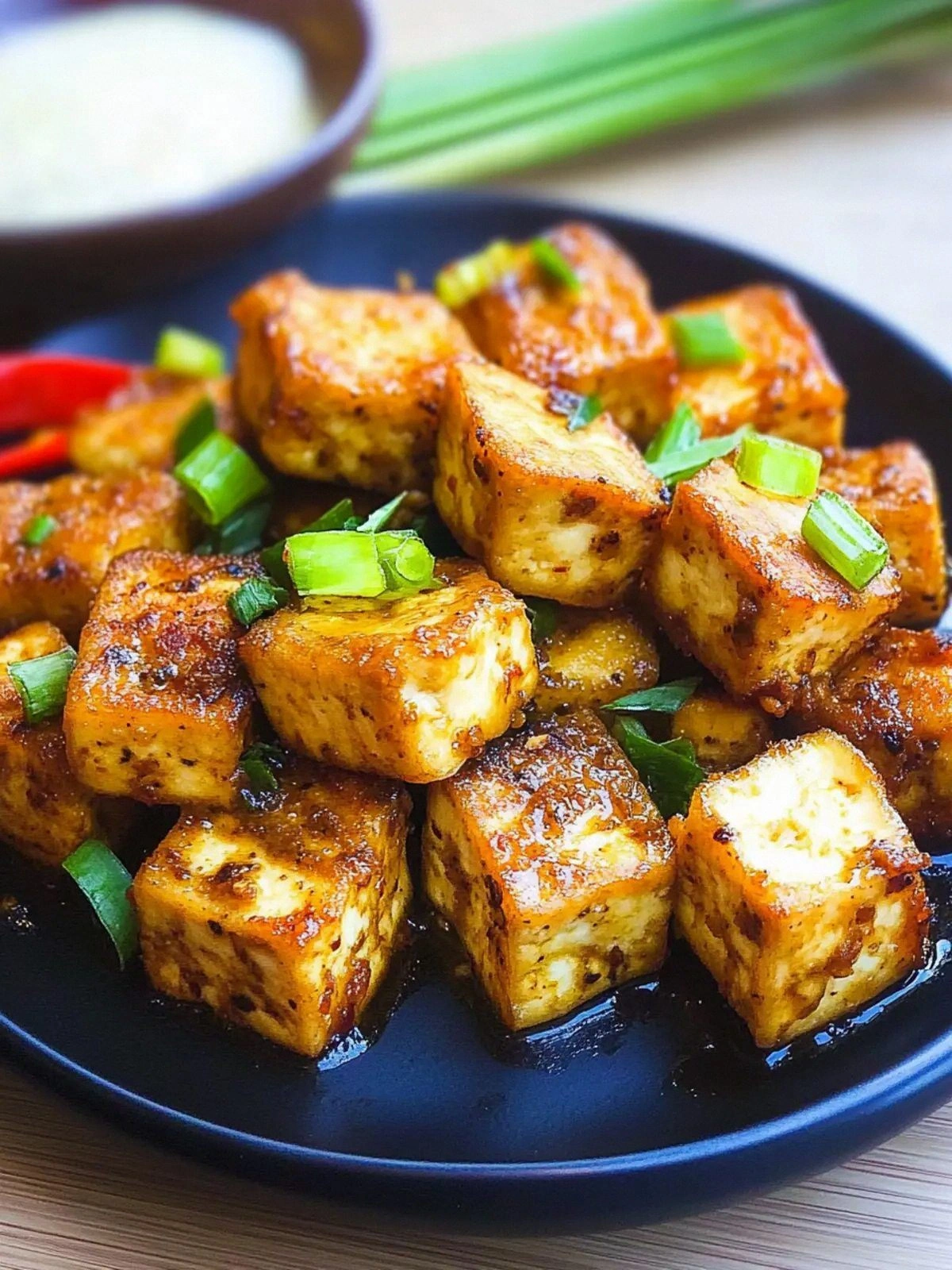
Picture this: a pan sizzling with oil, tofu slabs flipping like a graceful dancer, and the aroma of garlic, ginger, and green pepper rising in a fragrant cloud that makes your nose do a happy dance. The texture is a glorious contrast—crisp edges that snap like thin ice, paired with a silky, melt‑in‑your‑mouth interior that feels like a secret pocket of comfort. I’ve tried countless versions of salt and pepper tofu, but none have captured the same depth of flavor; this one is a bold, unapologetic celebration of simplicity and taste. The secret? A single, unexpected ingredient—corn starch—turns the sauce from a thin glaze into a luscious, silky coat that clings to every bite.
If you’ve ever struggled with tofu that turns out mushy or a sauce that just drips, you’re not alone, and I’ve got the fix. I dare you to taste this and not go back for seconds. I’ve been told this is hands down the best version you’ll ever make at home, and I’m not exaggerating. The moment the tofu hits the pan, the sound is a satisfying crack that signals the beginning of culinary magic. Stay with me here—this is worth it.
What Makes This Version Stand Out
- Taste: The combination of fresh ginger, garlic, and a touch of brown sugar creates a complex flavor profile that balances sweetness with the boldness of black pepper and salt.
- Texture: Corn starch is the hero that turns a watery sauce into a glossy, clingy coating, giving the tofu a satisfying crunch that never turns soggy.
- Simplicity: With only a handful of ingredients, you can deliver a restaurant‑style dish in under an hour—perfect for busy weeknights.
- Uniqueness: The addition of leeks and celery brings a subtle earthiness that sets this version apart from the typical pepper‑tofu.
- Crowd Reaction: Friends who are skeptical about tofu often leave the table craving more, proving this recipe’s universal appeal.
- Ingredient Quality: Using extra firm tofu and freshly cracked black pepper ensures the dish is not only flavorful but also has a premium feel.
- Cooking Method: The two‑stage cooking—first pan‑frying, then sauce‑coating—creates layers of flavor and texture that elevate the dish.
- Make‑ahead Potential: The tofu can be pre‑fried and stored, then reheated in the sauce for a quick meal later.
Alright, let's break down exactly what goes into this masterpiece…
Inside the Ingredient List
The Flavor Base
At the heart of this dish lies a trio of aromatics: finely minced garlic, ginger, and green pepper. Garlic offers a sharp, almost citrusy bite, while ginger brings a subtle heat that lingers on the palate. Green pepper adds a bright, vegetal note that cuts through the richness of the tofu, creating a balanced flavor profile. If you skip any of these, the sauce becomes flat and lacks the punch that makes each bite memorable.
The Texture Crew
Extra firm tofu is the star; its dense flesh holds up to pan‑frying and absorbs the sauce beautifully. Corn starch is the unsung hero that thickens the sauce, giving it that silky, clingy coat that clings to every surface of the tofu. When you stir the corn starch into the sauce, it creates a glossy sheen that’s as visually appealing as it is delicious. If you omit the corn starch, the sauce will be thin and the tofu will feel greasy.
The Unexpected Star
Leeks and celery are often overlooked in quick stir‑fries, but they add a subtle sweetness and a satisfying crunch that elevates the dish. The leeks provide a mild onion flavor that pairs perfectly with the salt and pepper, while the celery contributes a crisp bite that contrasts the tofu’s softness. Together, they create a depth of flavor that transforms a simple dish into something memorable.
The final flourish is the salt and pepper combination, which is not just a seasoning but a flavor enhancer that brings everything together. A generous pinch of freshly cracked black pepper adds a subtle heat that’s felt on the tongue, while the salt amplifies the umami from the soy sauce and tofu. Together, they create a sauce that’s both bold and balanced, ensuring each bite is a burst of flavor. Everything’s prepped? Good. Let’s get into the real action…
The Method — Step by Step
- Prep the tofu: Drain the tofu block and pat it dry with paper towels. Slice it into 1-inch thick slabs, then gently press each slab between fresh paper towels for an extra minute to remove surface moisture. This step is crucial for achieving a crisp exterior; otherwise, the tofu will steam rather than sear. I always keep a bowl of cold water nearby to rinse off any excess starch from the tofu before frying.
- Season the tofu: Sprinkle a light dusting of corn starch over the tofu slabs, ensuring each piece is coated evenly. The corn starch not only thickens the sauce later but also creates a barrier that locks in moisture while allowing the surface to crisp. Shake off any excess starch gently, then set the slabs aside on a paper towel to rest for 5 minutes. This brief rest lets the starch adhere better, giving you a more uniform coating.
- Heat the pan: Place a large non‑stick skillet over medium‑high heat and add 1/2 tablespoon of vegetable oil. Let the oil heat until it shimmers but doesn’t smoke. The key is to achieve a temperature that allows the tofu to sear instantly; if the pan is too cool, the tofu will absorb oil and become soggy. Once the oil is ready, slide in the tofu slabs, leaving space between them to avoid crowding.
- Pan‑fry the tofu: Cook the tofu slabs for 3–4 minutes on each side until they develop a golden, crisp crust. Use a spatula to gently press down on the slabs to ensure even contact with the pan. When the edges start pulling away from the pan, it’s a sign that the tofu is ready to flip. I keep a timer handy to avoid over‑cooking; over‑fried tofu can become rubbery.
- Set aside the tofu: Once the tofu is golden, transfer it to a plate lined with paper towels to drain excess oil. This step keeps the tofu from becoming greasy and preserves that coveted crunch. I also place a second plate on top of the tofu to keep it warm while I finish the sauce.
- Prepare the aromatics: In the same pan, add the remaining 1/2 tablespoon of oil and let it heat. Toss in the sliced leeks, celery rib, and green pepper. Sauté for 2 minutes until they’re just starting to soften but still retain their crunch. Add the minced garlic and ginger, cooking for an additional 30 seconds until fragrant. The aroma should be intoxicating and give you a preview of the dish’s final flavor.
- Make the sauce: Pour in 1 tablespoon of light soy sauce and 1/2 teaspoon of brown sugar, stirring to dissolve the sugar. Sprinkle in 1/2 teaspoon of freshly cracked black pepper and a pinch of salt. Mix the sauce ingredients until the sugar is fully integrated, creating a slightly glossy liquid. This sauce will coat the tofu, so keep the heat on medium to prevent it from thickening too quickly.
- Combine tofu and sauce: Return the tofu slabs to the pan, gently tossing them in the sauce to ensure every piece is coated. Let the tofu simmer in the sauce for 2–3 minutes, allowing the flavors to meld and the sauce to thicken into a silky coating. The final texture should be glossy, with a slight sheen that glistens like a polished gem.
- Serve immediately: Transfer the tofu and vegetables to a serving platter, spooning any remaining sauce over the top. Garnish with a sprinkle of chopped green onions or a drizzle of sesame oil if desired. The dish should be served hot, with the tofu still crisp and the sauce shimmering. That sizzle when it hits the pan? Absolute perfection.
That’s it— you did it. But hold on, I've got a few more tricks that'll take this to another level. Keep reading for insider tips that will ensure your tofu is always flawless.
Insider Tricks for Flawless Results
The Temperature Rule Nobody Follows
The key to a crisp tofu exterior is maintaining a high pan temperature. If the pan is too cool, the tofu will absorb oil instead of searing. I use a kitchen thermometer to keep the pan at 350°F (175°C) during the initial searing stage. When the tofu starts to bubble and the edges begin to lift, you know the temperature is perfect. This small adjustment can double the crunch factor.
Why Your Nose Knows Best
Before adding the soy sauce, sniff the aromatics. If the smell of garlic and ginger is overpowering, let them cook a little longer until the aroma mellows. A balanced aroma signals that the flavors are ready to merge. When you first stir in the soy sauce, the scent should be sweet and savory, not metallic. This olfactory checkpoint guarantees the sauce won’t be too salty.
The 5‑Minute Rest That Changes Everything
After frying, let the tofu rest on a paper towel for 5 minutes. This resting period allows the steam to escape, preventing the tofu from becoming soggy. I’ve seen friends skip this step and end up with limp tofu that can’t hold sauce. The rest also lets the crust firm up, giving a satisfying crunch when you bite into it.
Use Freshly Cracked Pepper
Freshly cracked black pepper releases more aroma and flavor than pre‑ground pepper. Crack it just before adding it to the sauce to preserve its essential oils. The result is a peppery kick that lingers on the tongue, adding depth to the dish. If you’re in a hurry, a pinch of pre‑ground pepper works, but the experience is noticeably different.
Keep the Sauce Light
Don’t over‑thicken the sauce; a thin, glossy coating is ideal. If the sauce becomes too thick, it will clump on the tofu, making it feel heavy. Add a splash of water if it starts to dry out, then stir vigorously to re‑emulsify. The sauce should cling like a second skin, not coat the tofu in a heavy glaze.
Serve with Rice or Noodles
Pair this dish with steamed jasmine rice or stir‑fried noodles for a complete meal. The rice absorbs the flavorful sauce, while the noodles add a chewy contrast. I’ve seen this combination become a favorite in my household, especially for weeknight dinners. The tofu’s bold flavor pairs well with the mildness of rice, creating a harmonious balance.
Creative Twists and Variations
This recipe is a playground. Here are some of my favorite ways to switch things up:
Spicy Szechuan Variation
Add a tablespoon of Szechuan peppercorns and a teaspoon of chili oil to the sauce for an extra kick. The peppercorns add a numbing heat that complements the black pepper, while the chili oil gives a smoky depth. This variation is perfect for those who love a bit of heat in every bite.
Sweet and Tangy Pineapple Twist
Replace the green pepper with diced pineapple and add a splash of pineapple juice to the sauce. The natural sugars of the pineapple balance the saltiness, creating a sweet‑tangy profile. This version is ideal for a tropical-themed dinner party.
Garlic‑Lemon Zest Edition
Zest a fresh lemon over the tofu after cooking and drizzle a few drops of lemon juice. The citrus brightens the dish and cuts through the richness. Pair it with a light cucumber salad for a refreshing contrast.
Vegetarian Mushroom Medley
Swap the tofu for pan‑fried shiitake mushrooms, which absorb the sauce beautifully. The earthy flavor of mushrooms provides a meaty texture that satisfies even carnivores. Add a splash of soy sauce and a sprinkle of sesame seeds for extra depth.
Low‑Sodium Option
Use a low‑sodium soy sauce and reduce the amount of added salt. The tofu’s natural umami will still shine through, and the sauce will have a cleaner finish. This version is great for those monitoring sodium intake.
Gluten‑Free Twist
Replace the corn starch with arrowroot powder or a gluten‑free thickening agent. The sauce will still achieve a silky coating, and the dish remains fully gluten‑free. Perfect for guests with dietary restrictions.
Storing and Bringing It Back to Life
Fridge Storage
Cool the tofu and sauce to room temperature, then transfer them to an airtight container. Store in the refrigerator for up to 2 days. When ready to reheat, place the tofu in a skillet over medium heat, adding a splash of water to prevent sticking. The tofu will regain its crispness after a few minutes of gentle heating.
Freezer Friendly
For longer storage, wrap the tofu slabs individually in parchment paper and place them in a freezer bag. Freeze for up to 3 months. When reheating, thaw overnight in the fridge and then pan‑fry briefly to re‑crisp. The sauce can be reheated separately in a saucepan.
Best Reheating Method
The secret to reheating without losing flavor is a quick stir‑fry. Heat a tablespoon of oil in a skillet, add the tofu, and stir for 2 minutes. Then add the sauce and heat until it’s steaming hot. A tiny splash of water before reheating steams the tofu back to perfection, keeping it moist inside while the exterior stays crisp.