Picture this: you’re halfway through a hectic day, the fridge is a sad, lonely collection of leftovers, and your stomach is doing a low‑frequency rumble that sounds suspiciously like a drum solo. You’re craving something that feels like a warm hug, not a bland, forgettable meal. That moment of culinary desperation turned into a midnight kitchen experiment, and I discovered the most luscious, velvety tomato‑garlic pasta you’ve ever tasted. The sauce clings to the noodles like a silky blanket, the garlic sings with a subtle heat, and the cream turns the dish into a silky dream that will have you daring your friends to taste it and not come back for seconds. The secret? A perfectly balanced blend of classic ingredients and a few daring twists that keep the flavor fresh and exciting.
I’ve spent years chasing the “perfect” pasta sauce, and every attempt fell flat—either too acidic, too greasy, or just plain bland. That was until I decided to combine the humble canned tomato with a splash of heavy cream, a generous amount of garlic, and a touch of butter to create a sauce that is both comforting and sophisticated. The moment the cream hit the pan, the kitchen filled with a buttery aroma that made the whole house feel like it was about to host a dinner party. I dared myself to make the sauce from scratch, and the result was a silky, tangy, and utterly addictive dish that has become my go‑to for busy nights. Trust me, this is hands down the best version you’ll ever make at home, and it will change the way you think about tomato pasta forever.
What sets this version apart is not just the ingredients, but the way they’re orchestrated. The sauce is built on a foundation of sautéed garlic and butter, which adds depth and a subtle nutty undertone. The tomatoes are reduced to a thick, flavorful base that’s then swirled with cream for that luxurious mouthfeel. Fresh herbs finish the dish, providing a bright contrast that lifts the richness. The pasta is cooked al dente, ensuring it holds up against the sauce and maintains that perfect bite. Every single element is chosen to create a symphony of textures and flavors that dance on your palate and leave you craving more.
Now, I’m going to walk you through every single step, from prepping the ingredients to plating the final dish. By the end, you’ll wonder how you ever made it any other way. Get ready to dive into the ultimate creamy tomato garlic pasta experience—no fancy equipment, no complicated techniques, just pure, unapologetic flavor that will have your friends begging for the recipe. Let’s get cooking.
What Makes This Version Stand Out
- Taste: The sauce balances sweet tomato, savory garlic, and creamy richness in a way that feels both indulgent and satisfying. Each bite delivers a burst of flavor that lingers, making the dish memorable.
- Texture: The cream turns the sauce into a silky, velvety coating that clings to every strand of pasta, while the garlic adds a subtle crunch that breaks the monotony.
- Simple Ingredients: You only need a handful of pantry staples—no exotic spices or hard‑to‑find products. This means you can whip it up in under 45 minutes, even on a busy weekday.
- Unique Twist: The addition of butter and a touch of red pepper flakes gives the sauce a depth that sets it apart from standard tomato pasta recipes.
- Crowd‑Pleaser: Whether you’re cooking for a family dinner or a date night, this dish is guaranteed to impress. The rich sauce and aromatic herbs make it feel like a restaurant‑quality meal.
- Ingredient Quality: Using high‑quality olive oil, fresh garlic, and real parmesan cheese elevates the flavor profile and showcases the simplicity of good cooking.
- Method: The cooking process is straightforward, with clear steps that prevent common pitfalls like over‑sautéing or under‑seasoning.
- Make‑Ahead Potential: The sauce can be prepared a day ahead and reheated without losing its silky texture, making it ideal for meal prep.
Inside the Ingredient List
The Flavor Base
At the heart of this sauce lies a humble trio: olive oil, butter, and garlic. The olive oil provides a smooth, fruity backdrop, while the butter adds a rich, nutty undertone that elevates the overall flavor. Garlic is the star of the show, releasing its aromatic oils when sautéed, which infuses the entire dish with a punchy, savory depth. Skipping any of these will leave the sauce feeling flat and underdeveloped. If you’re watching calories, you can reduce the butter to just a teaspoon, but trust me, that small amount makes a huge difference.
The Texture Crew
The heavy cream is the texture crew that turns a simple tomato sauce into a luxurious, silky experience. It balances the acidity of the tomatoes, giving the sauce a smooth mouthfeel that coats the pasta like velvet. The grated parmesan cheese adds a subtle umami flavor and helps thicken the sauce slightly, creating that desirable clinginess. If you’re lactose intolerant, a splash of coconut milk or a dairy‑free cream can replace the heavy cream, though the final texture will be a bit lighter.
The Unexpected Star
Red pepper flakes might seem like a minor detail, but they bring a gentle heat that cuts through the richness, adding complexity without overpowering the dish. Fresh basil and parsley finish the sauce with bright, herbal notes that lift the heaviness of the cream. These herbs are best added at the very end of cooking to preserve their fresh flavor and color. If you’re not a fan of heat, simply omit the pepper flakes, or replace them with a pinch of smoked paprika for a smoky twist.
The Final Flourish
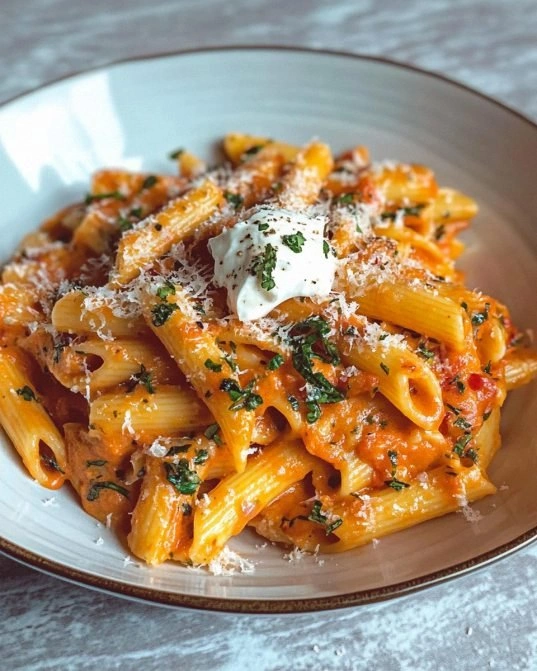
The pasta itself is the canvas that carries this sauce. I recommend using medium‑width pasta like penne or rigatoni, which hold the sauce beautifully. Cook the pasta al dente, so it still offers a slight bite, which contrasts nicely with the creamy sauce. Once the sauce is finished, toss the pasta in the pan to coat it thoroughly, then serve immediately to enjoy the sauce at its peak. If you’re prepping ahead, let the pasta cool completely before refrigerating to prevent it from becoming mushy.
Everything’s prepped? Good. Let’s get into the real action.
The Method — Step by Step
- Step 1: Boil the Pasta. Fill a large pot with water, add a generous pinch of salt, and bring it to a rolling boil. Add the pasta and cook according to the package instructions, usually 8–10 minutes for al dente. Reserve a cup of pasta water before draining; this starchy liquid will help thicken the sauce later. The aroma of boiling pasta will start to make your kitchen feel like a trattoria. Keep an eye on the clock; you don’t want the noodles to overcook.
- Step 2: Sauté the Aromatics. While the pasta cooks, heat the olive oil in a large skillet over medium heat. Add the butter and let it melt, swirling the pan so it coats the bottom. Toss in the minced garlic and sauté until fragrant and lightly golden, about 2 minutes. Watch the garlic closely—once it starts to brown, it can quickly go from aromatic to bitter. This is the moment of truth for the base of your sauce.
- Step 3: Add Tomatoes. Pour in the crushed tomatoes and stir to combine with the garlic butter mixture. Reduce the heat to low and let the sauce simmer gently for 10 minutes, allowing the flavors to meld. The tomatoes should thicken slightly and develop a rich color. This step is crucial for building depth; do not rush it. If the sauce becomes too thick, add a splash of the reserved pasta water to reach your desired consistency.
- Step 4: Creamy Touch. Lower the heat and stir in the heavy cream, letting it swirl into the tomato base. The sauce should look silky and glossy, with the cream fully incorporated. Keep the heat low to prevent the cream from curdling. As the sauce simmers, it will thicken further and become a luscious coating for the pasta. The gentle heat also helps the flavors to marry beautifully.
- Step 5: Season and Finish. Add the grated parmesan, red pepper flakes, dried oregano, salt, and black pepper. Stir until the cheese melts and the sauce becomes thick and cohesive. Taste and adjust the seasoning—add more salt or pepper if needed. The cheese will give the sauce a savory depth that’s hard to resist. This final touch ensures every bite is balanced and flavorful.
- Step 6: Combine Pasta and Sauce. Add the drained pasta directly into the skillet with the sauce. Toss vigorously, ensuring every noodle is coated. If the sauce seems too thick, add a bit of the reserved pasta water to loosen it. Let the pasta simmer in the sauce for 2 minutes, allowing it to absorb the flavors fully. The noodles should be glossy and silky, with the sauce clinging to every corner.
- Step 7: Garnish. Sprinkle chopped fresh basil and parsley over the top. These herbs add a burst of color and a fresh, herbal finish that cuts through the creaminess. The bright green leaves contrast beautifully with the rich sauce. Toss lightly to distribute the herbs evenly. The aroma will be irresistible.
- Step 8: Serve. Plate the pasta into warm bowls or onto a large serving platter. Add a final sprinkle of parmesan if desired. Serve immediately while the sauce is hot and glossy. This is the moment to enjoy the culmination of all the steps. The dish will look as good as it tastes.
That's it — you did it. But hold on, I've got a few more tricks that'll take this to another level.
Insider Tricks for Flawless Results
The Temperature Rule Nobody Follows
Many home cooks accidentally overcook their pasta or let the sauce boil too hard, leading to a mushy texture. The trick is to keep the sauce at a gentle simmer once you add the cream. This allows the flavors to marry without breaking down the cream or the cheese. A low heat also prevents the garlic from burning, preserving its sweet, mellow flavor. Keep a close eye on the sauce and stir frequently to avoid scorching. If you’re in a rush, set a timer for 2 minutes after adding the cream to remind yourself to lower the heat.
Why Your Nose Knows Best
The aroma of a simmering sauce is a powerful indicator of readiness. When the garlic releases its full fragrance and the tomatoes reduce to a thick, caramelized consistency, you know the base is perfect. If the sauce smells overly acidic or burnt, it’s a sign you need to adjust the heat or add more cream. Trusting your nose can save you from over‑cooking or under‑seasoning. A well‑smelling sauce will translate into a more flavorful dish.
The 5‑Minute Rest That Changes Everything
After tossing the pasta with the sauce, let it sit for 5 minutes off the heat. This resting period allows the noodles to finish absorbing the sauce and the flavors to settle. The result is a more cohesive dish where every bite is saturated with sauce. I’ve seen people skip this step and end up with a sauce that’s too loose. Give it a minute or two to breathe, and you’ll notice a dramatic improvement in texture.
Use Fresh Herbs, Not Dried
Dried basil or parsley can be convenient, but fresh herbs bring a brightness and vibrancy that dried can’t match. The fresh leaves release their oils just before serving, adding a pop of green and a subtle herbal note that cuts through the richness. If fresh herbs are out of season, a small amount of dried can be used, but the flavor will be less pronounced. I’ve found that a handful of fresh basil leaves makes the dish feel like a trip to Italy.
Add a Splash of Pasta Water
Storing a cup of pasta water is a simple but game‑changing trick. The starchy water helps the sauce cling to the noodles, giving it a silky, glossy finish. If the sauce feels too thick, add a tablespoon at a time until you reach the desired consistency. This technique also helps balance the acidity of the tomatoes, making the sauce smoother. It’s a small step that pays off big time.
Finish with a Drizzle of Extra‑Virgin Olive Oil
A final drizzle of high‑quality extra‑virgin olive oil before plating adds a subtle fruity note and a glossy sheen to the dish. It also helps the cheese melt into the sauce, creating an even richer mouthfeel. The oil’s bright, peppery finish lifts the sauce, preventing it from feeling heavy. I always keep a bottle of good olive oil on hand for this purpose. It’s a simple touch that elevates the entire dish.
Creative Twists and Variations
This recipe is a playground. Here are some of my favorite ways to switch things up:
Spicy Cajun Twist
Add a tablespoon of Cajun seasoning to the sauce and replace the red pepper flakes with a pinch of cayenne. Swap the pasta for elbow macaroni to create a Southern comfort dish. The smoky, spicy flavor pairs wonderfully with the creamy base. Serve with a side of cornbread for a true Cajun experience.
Mushroom Medley
Sauté sliced mushrooms with the garlic for an earthy depth. Replace half of the pasta water with a splash of white wine to deglaze the pan. The mushrooms soak up the sauce, adding a meaty texture. This variation works great for a vegetarian dinner that feels hearty.
Pesto Fusion
Fold in a few spoonfuls of basil pesto before adding the cream. The pesto adds a nutty, herby layer that complements the tomato base. Use a mix of pine nuts and walnuts for added crunch. This version is perfect for a brunch or a light dinner.
Seafood Sensation
Stir in cooked shrimp or scallops during the final simmer. The seafood absorbs the sauce’s richness, creating a luxurious dish. Top with lemon zest for a bright finish. This variation turns the pasta into a gourmet main course.
Vegan Version
Replace the heavy cream with coconut milk and use a vegan parmesan alternative. Skip the butter and use a splash of olive oil instead. The dish remains creamy and flavorful while being plant‑based. It’s a great option for those looking for a dairy‑free meal.
Low‑Carb Adaptation
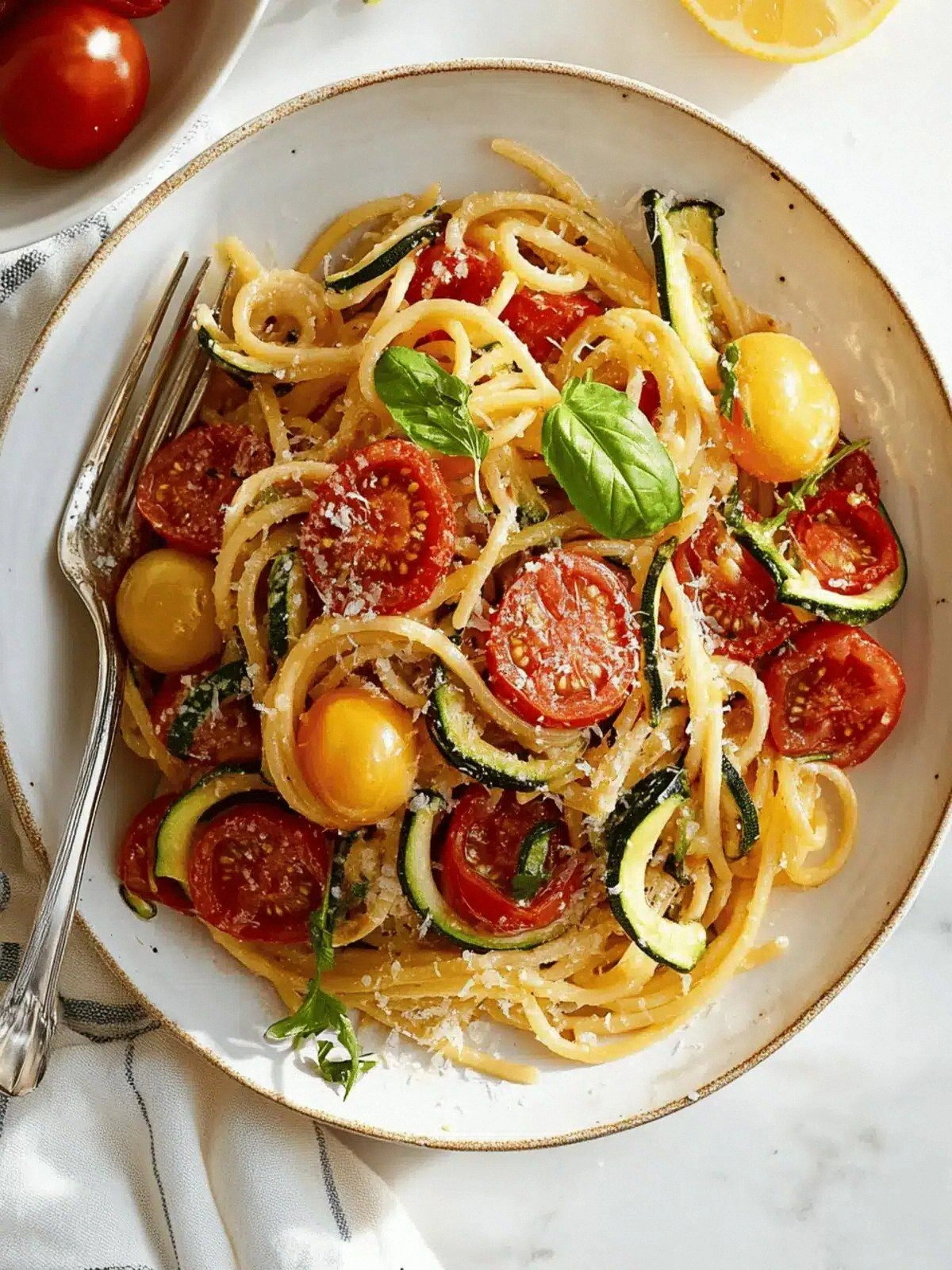
Swap the pasta for spiralized zucchini or spaghetti squash. Reduce the sauce’s thickness by adding a splash of vegetable broth. This version keeps the same rich flavor while cutting carbs dramatically. It’s a perfect choice for a keto or low‑carb diet.
Storing and Bringing It Back to Life
Fridge Storage
Cool the sauce completely before placing it in an airtight container. Store it in the refrigerator for up to 3 days. When reheating, add a splash of milk or pasta water to restore the sauce’s silky texture. Stir gently over low heat until heated through. The sauce should retain its richness without separating.
Freezer Friendly
Divide the sauce into portioned containers and freeze for up to 2 months. Thaw overnight in the refrigerator before reheating. Add a tablespoon of cream or milk to re‑emulsify the sauce. Gently stir over low heat until warmed. Freezing preserves the flavor and texture, making it a convenient meal prep option.
Best Reheating Method
Reheat the sauce in a saucepan over low heat, stirring frequently to avoid sticking. Add a tiny splash of water or broth to keep it from thickening too much. Once hot, toss with freshly cooked pasta to re‑infuse the sauce. The key is to keep the temperature low to preserve the cream’s integrity. Serve immediately for the best experience.