I was standing in my kitchen last night, staring at a pile of raw cod fillets that had been waiting in the fridge since Friday. The smell of the sea mingled with the faint scent of citrus from the lemon I’d left on the counter, and I could almost hear the ocean waves crashing against the shore. I had been craving something light yet indulgent, and the idea of a perfectly crisp, cheesy crust seemed like a culinary dare I couldn’t resist. I grabbed a handful of Parmesan, a bag of Panko, and a splash of olive oil, and I was ready to turn that simple fish into a showstopper.
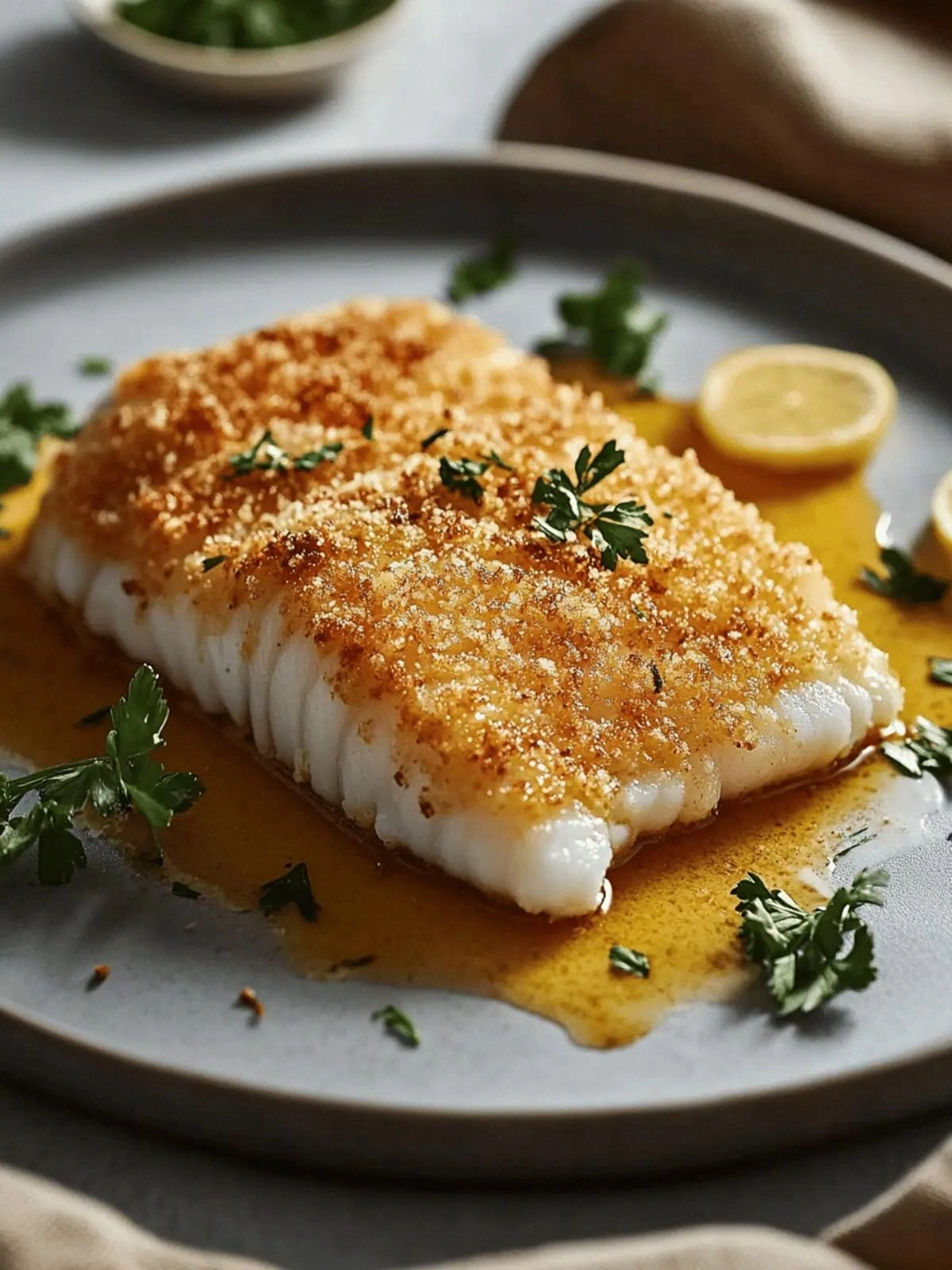
Picture this: the moment the fillets hit the hot pan, you hear a satisfying sizzle that feels like applause for a well‑performed act. The air fills with the nutty aroma of toasted breadcrumbs and the sharp, savory note of Parmesan. The texture is a contrast of a buttery, flaky interior against a golden, crunchy shell that shatters like thin ice with each bite. And the flavor—rich yet bright, with a gentle kick of paprika and garlic powder—lands on the tongue like a velvety kiss. I dare you to taste this and not go back for seconds.
What sets this version apart is that it’s not just a recipe; it’s a revelation. I discovered that the secret to a non‑sticky coating lies in a simple egg‑butter mixture that coats the fish evenly before the breadcrumb bath. I also learned that using a mix of Parmesan and Panko gives you the best of both worlds: the cheese melts into a gooey center while the breadcrumbs provide that coveted crunch. Most recipes get this completely wrong, but here’s what actually works: a quick brine, a dry coating, and a gentle pan‑fry that keeps the fish moist. If you’ve ever struggled with flaky fish, you’re not alone—and I’ve got the fix.
By the time the cod is plated, the kitchen smells like a seaside bakery, and the anticipation builds as you watch the crust turn a deep, irresistible golden brown. Picture yourself pulling this out of the oven, the whole kitchen smelling incredible, and you’ll know that you’ve created something that will wow any crowd. Let me walk you through every single step—by the end, you’ll wonder how you ever made it any other way.
What Makes This Version Stand Out
- Crunch: The combination of Panko and Parmesan creates a layered texture that snaps with each bite, offering a satisfying contrast to the tender fish inside.
- Flavor Depth: The subtle heat from paprika and the aromatic punch of garlic powder elevate the dish without overpowering the delicate cod.
- Easy Prep: A single quick brine and a dry coating step mean you can have a restaurant‑quality plate on the table in less than 30 minutes.
- Versatile Base: The coating works beautifully whether you pan‑fry or bake, making it adaptable to any kitchen setup.
- Freshness Boost: Adding fresh parsley and lemon wedges right before serving brings brightness that cuts through the richness.
- Make‑Ahead Friendly: You can prepare the coated fillets ahead of time and reheat them with minimal loss of crunch.
- Health‑Conscious: Using olive oil instead of butter keeps the dish lighter while still delivering that buttery flavor.
- Crowd‑Pleaser: Even the most skeptical seafood skeptics will be hooked by the irresistible crispness and savory depth.
Inside the Ingredient List
The Flavor Base
Fresh Cod Fillets: The star of the show, cod provides a clean, mild flavor that pairs perfectly with the crispy coating. Its high protein content keeps the dish filling, while its delicate texture ensures it doesn’t fall apart during cooking. Skipping the cod would mean you lose the seafood element entirely, turning the dish into a cheesy breadcrumb snack. If you can’t find cod, try haddock or pollock for a similar taste.
Eggs: Eggs act as a binder, ensuring the breadcrumb mixture sticks to the fish. They also add richness and a slight custard-like finish to the crust. If you omit eggs, the coating may fall off, resulting in a soggy bite. A vegan alternative is to use a tablespoon of aquafaba or a commercial egg replacer.
The Texture Crew
Parmesan Cheese: This aged cheese brings a nutty, slightly salty flavor that melts into a gooey center as the fish cooks. It also contributes to the golden color of the crust. Without Parmesan, the coating would be less flavorful and lack that melt‑in‑your-mouth quality. You can experiment with Pecorino Romano for a sharper taste, but keep the quantity the same.
Panko Breadcrumbs: Panko provides the light, airy crunch that makes the crust so satisfying. Its larger, flakier crumbs create a porous surface that absorbs the oil without becoming greasy. If you use regular breadcrumbs, the crust will be denser and heavier. For a gluten‑free version, swap for almond flour or a certified gluten‑free breadcrumb blend.
The Unexpected Star
Olive Oil or Melted Butter: This fat is the secret sauce that gives the coating its golden hue and crispness. Olive oil offers a subtle fruity note, while butter adds a buttery richness. Choosing one over the other changes the flavor profile but both deliver excellent results. If you’re watching calories, stick with olive oil.
The Final Flourish
Fresh Parsley and Lemon Wedges: These finishing touches bring a burst of freshness that cuts through the richness of the crust. Parsley adds a herbal aroma, while the lemon provides a bright, citrusy counterpoint. If you’re not a fan of lemon, a squeeze of lime or a splash of white wine vinegar can work similarly. Don’t skip the parsley; it elevates the dish visually and gastronomically.
Everything's prepped? Good. Let's get into the real action...
The Method — Step by Step
- First, season the cod fillets with a pinch of salt and freshly cracked pepper. Let them sit for 10 minutes; this quick brine draws out excess moisture and locks in flavor. While the fish rests, whisk the eggs in a shallow bowl until the whites and yolks are fully blended. This simple step ensures a smooth coating.
- In a second shallow dish, combine the grated Parmesan, Panko breadcrumbs, garlic powder, and paprika. Mix until the spices are evenly distributed. The aromatic blend will coat the fish with a savory, slightly spicy crust once it hits the pan.
- Pat the cod fillets dry with paper towels; moisture is the enemy of crunch. Dip each fillet first into the egg mixture, letting any excess drip back into the bowl, then dredge it in the breadcrumb mixture, pressing gently to adhere. This double coating guarantees a firm crust that stays on the fish.
- Heat the olive oil or melted butter in a large non‑stick skillet over medium‑high heat. When the oil shimmers, slide the coated fillets in, skin side down if applicable. The pan should be hot enough that the crust starts to sizzle immediately.
- Cook the fillets for 3–4 minutes on the first side until the crust turns golden and the fish is opaque halfway through. Flip carefully with a spatula, then cook for another 3–4 minutes. The edges will start pulling away from the pan, a clear sign the fish is ready.
- While the cod finishes, sprinkle the remaining Parmesan over the tops for an extra cheesy burst. A quick press with a spoon will help the cheese melt into the crust.
- Remove the fillets from the skillet and let them rest on a paper‑towel‑lined plate for 2 minutes. This brief rest lets the juices redistribute and keeps the fish moist.
- Serve immediately, garnishing with chopped fresh parsley and a wedge of lemon on the side. The lemon’s acidity brightens the dish, while the parsley adds a pop of color. And that’s it — you did it. But hold on, I've got a few more tricks that'll take this to another level.
Insider Tricks for Flawless Results
The Temperature Rule Nobody Follows
Many cooks assume that high heat is always best for crisping, but the real trick is to maintain a steady medium‑high temperature. A pan that’s too hot will char the breadcrumbs before the fish cooks through. Keep a thermometer handy and aim for 375°F (190°C) for optimal crispness.
Why Your Nose Knows Best
The aroma is your best indicator of doneness. When the crust turns a deep amber and releases a nutty, buttery scent, you’re in the sweet spot. If you’re unsure, gently lift the fillet; the bottom should feel firm and release from the pan with minimal resistance.
The 5‑Minute Rest That Changes Everything
After cooking, let the fillets rest for exactly five minutes on a rack. This pause allows the juices to redistribute, preventing a dry mouthfeel. The crust also has a chance to firm up, giving it a satisfying bite when you cut into it.
The Secret of Fresh Herbs
Add parsley at the very end of cooking, not before. Fresh herbs lose their vibrant flavor when exposed to heat for too long. A quick sprinkle right before serving keeps the green hue and herbal aroma intact.
The Lemon Twist
Instead of a wedge on the side, squeeze a thin stream of lemon over the fillets just before plating. The citrus zest cuts through the richness, giving the dish a bright, refreshing finish that feels like a summer breeze.
Creative Twists and Variations
This recipe is a playground. Here are some of my favorite ways to switch things up:
Spicy Cajun Cod
Swap the paprika and garlic powder for a Cajun spice blend. Add a dash of cayenne pepper for heat. This version is perfect for those who love a fiery kick.
Herb‑Infused Crust
Blend in dried thyme, oregano, and rosemary into the breadcrumb mix. The herbs give the crust a Mediterranean vibe. Serve with a side of roasted cherry tomatoes.
Crispy Coconut Cod
Replace Panko with shredded coconut for a tropical twist. Add a splash of coconut milk to the egg wash for extra richness. Pair with a mango salsa for a beach‑inspired plate.
Cheesy Gorgonzola Crust
Melt Gorgonzola into the Parmesan before mixing with breadcrumbs. The blue cheese adds a bold, tangy flavor. This version is great for cheese lovers.
Baked Version
Preheat your oven to 400°F (200°C). Place the coated fillets on a parchment‑lined sheet and bake for 12–14 minutes. Baking gives a lighter crust while still maintaining crispness.
Gluten‑Free Option
Swap Panko for a gluten‑free breadcrumb blend or almond flour. Use a gluten‑free flour coating if you prefer a thicker crust. This keeps the dish safe for gluten‑sensitive diners.
Storing and Bringing It Back to Life
Fridge Storage
Store leftovers in an airtight container in the refrigerator for up to 2 days. Keep the coated fillets separate from any sauces to maintain crispness. When ready to reheat, place them on a baking sheet and warm at 350°F (175°C) for 5 minutes.
Freezer Friendly
For longer storage, freeze the coated fillets on a parchment‑lined tray until solid, then transfer to a freezer bag. They remain good for up to 3 months. Thaw overnight in the fridge before reheating.
Best Reheating Method
Reheat in a skillet over medium heat, adding a splash of water and covering for 2 minutes to steam the fillets. The water prevents the crust from drying out. Finish with a quick sear on each side to restore crunch.
Add a tiny splash of water before reheating — it steams back to perfection, keeping the fish moist and the crust crisp. That little trick saves the day when you’re in a hurry but still want a restaurant‑style plate.