I remember the night I was supposed to impress a group of food‑obsessed friends and the kitchen turned into a chaotic symphony of burning garlic and over‑cooked pasta. The moment the tomato skins blistered like tiny fireworks, I realized I had stumbled upon a flavor revelation that would forever change my dinner routine. I was staring at a pile of over‑ripe tomatoes, a whole head of garlic, and a handful of ricotta, wondering how to turn them into something that would make everyone ask for seconds. The air was thick with the sweet scent of roasting tomatoes, the sharp bite of garlic, and a hint of olive oil that promised a silky finish. That single decision to roast everything together, instead of sautéing separately, unlocked a depth of flavor that I never thought possible. I am still convinced that this dish is the ultimate comfort food, and I can't wait to walk you through every single step — by the end, you'll wonder how you ever made it any other way.
Picture yourself pulling this out of the oven, the whole kitchen smelling incredible, and seeing the glossy, caramelized edges of the tomatoes like a sunrise on a plate. The sauce will coat the pasta like velvet, and the ricotta will give it a creamy, almost buttery texture that melts in your mouth. The fresh basil will add a bright, herbal note that cuts through the richness, while the parmesan will provide a subtle nutty finish that lingers on the palate. I dare you to taste this and not go back for seconds, because the combination of flavors will have you reaching for the spoon before you even finish the first bite. Most recipes get this completely wrong by over‑sautéing the garlic or using too much cream; here's what actually works. And if you've ever struggled with a pasta sauce that feels watery or too thick, you're not alone — and I've got the fix. This is hands down the best version you'll ever make at home, and it will become your go-to for quick week‑night dinners or impressing guests.
The beauty of this recipe lies in its simplicity and the way each ingredient takes center stage. The tomatoes are the star, bursting with natural sweetness when roasted, while the garlic provides a subtle, savory depth that lingers. The ricotta keeps the sauce light and airy, preventing it from becoming cloyingly heavy. The fresh basil adds a pop of color and freshness that brightens every bite, and the parmesan gives a savory, umami kick that ties everything together. The method is straightforward, requiring minimal prep and a single oven batch, making it perfect for busy evenings. If you love the idea of a dish that feels like a gourmet restaurant creation but can be made in under an hour, then this is the recipe you need.
And here's a little secret that most people overlook: using a whole head of garlic instead of minced or sliced keeps the garlic flavor mellow and sweet, rather than harsh. Roasting the garlic with the tomatoes allows the cloves to soften and caramelize, creating a subtle sweetness that balances the acidity of the tomatoes. The olive oil not only prevents sticking but also adds a silky texture that helps the sauce cling to the pasta. The combination of ricotta and parmesan creates a creamy, slightly tangy sauce that is both comforting and sophisticated. This dish is a testament to how the right cooking technique can elevate humble ingredients into a culinary masterpiece. So, grab your apron, and let's dive into the details that will transform your kitchen into a Michelin‑star kitchen.
What Makes This Version Stand Out
- Taste: The roasting process brings out a natural sweetness in the tomatoes while the garlic mellows into a caramelized, almost caramel‑like flavor that is far superior to raw or sautéed garlic.
- Texture: The ricotta keeps the sauce creamy without the heaviness of cream, while the parmesan adds a slight crunch when grated on top, creating a contrast that keeps every bite interesting.
- Simplicity: With only nine ingredients and a single oven batch, this recipe is quick enough for a weekday yet indulgent enough for a weekend feast.
- Ingredient Quality: Using fresh, vine‑ripe tomatoes and a whole garlic head ensures that the dish is packed with natural flavor, rather than relying on processed sauces.
- Crowd Reaction: Friends who have tried this version rave about the sauce’s silky finish and the aromatic basil that lifts the dish to a whole new level.
- Make‑Ahead Potential: The sauce can be prepared in advance and reheated without losing its silky texture, making it ideal for meal prep.
- Unique Technique: Roasting the tomatoes and garlic together in the same pan creates a flavor bond that is impossible to replicate with separate sautéing.
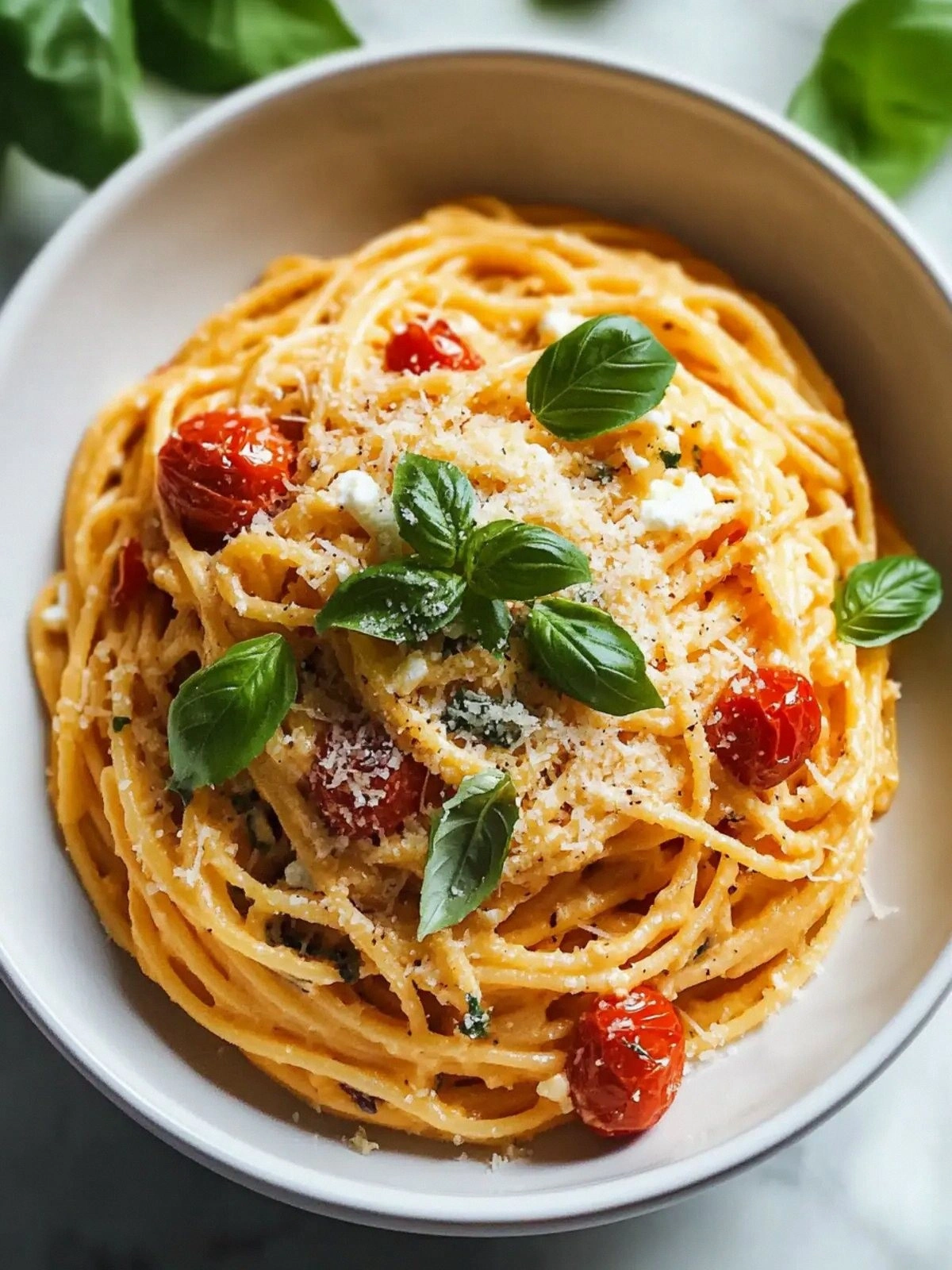
- Visual Appeal: The dish boasts a vibrant color palette—deep red tomatoes, green basil, and golden parmesan—making it as pleasing to the eye as it is to the palate.
Alright, let's break down exactly what goes into this masterpiece…
Inside the Ingredient List
The Flavor Base
The 6 medium vined tomatoes are the heart of this sauce. Their natural sugars caramelize when roasted, turning the sauce into a sweet, deep‑red elixir that feels both comforting and sophisticated. If you skip the tomatoes, the dish loses its vibrant color and its ability to balance the richness of the ricotta. For the best flavor, choose tomatoes that are slightly underripe; they hold their shape better during roasting and release a more intense flavor.
The whole garlic head provides a mellow, sweet undertone that complements the acidity of the tomatoes. Breaking the cloves into halves before roasting ensures even caramelization, creating a subtle, almost honey‑like garlic note. If you prefer a sharper bite, you can slice the garlic thinly and sauté it separately, but the roasted version offers a depth that is unmatched.
The Texture Crew
The 2 tablespoons of olive oil act as a binder, preventing the tomatoes from drying out and giving the sauce a silky finish that coats the pasta like velvet. The olive oil also adds a fruity aroma that elevates the dish’s overall profile. If you’re watching calories, you can reduce the oil to 1 tablespoon, but you’ll notice a slight difference in mouthfeel.
The 300 grams of pasta—preferably a shape that holds sauce, like penne or fusilli—provides the canvas for the sauce. The al dente bite offers a pleasant contrast to the creamy ricotta and ensures the dish isn’t mushy. If you’re vegan, you can swap the pasta for a gluten‑free or chickpea pasta, but the texture will change slightly.
The Unexpected Star
The 250 grams of ricotta cheese is the secret to achieving that creamy, airy texture without the heaviness of cream. Ricotta’s mild flavor allows the tomatoes and garlic to shine while providing a smooth base for the parmesan to cling to. If you’re lactose intolerant, try a lactose‑free ricotta or a cashew‑based alternative for a similar mouthfeel.
The 10 leaves of fresh basil bring a burst of brightness that cuts through the richness of the sauce. Basil’s aromatic oils add a herbaceous note that is almost citrusy, giving the dish a refreshing lift. If basil isn’t in season, you can use parsley or a pinch of dried oregano as a substitute, but the flavor profile will shift.
The Final Flourish
The 50 grams of grated parmesan cheese adds a nutty, umami kick that elevates the sauce from simple to gourmet. Parmesan’s sharpness balances the sweetness of the tomatoes and the creaminess of the ricotta, creating a harmonious blend of flavors. If you’re looking for a dairy‑free option, nutritional yeast or a vegan parmesan can be used, though the taste will differ.
The pinch of salt and pepper are essential to bring all the flavors together. Salt enhances the natural sweetness of the tomatoes and the richness of the cheese, while pepper adds a subtle heat that keeps the dish lively. If you’re watching sodium, use a low‑sodium salt or reduce the amount of parmesan slightly.
Everything's prepped? Good. Let's get into the real action…
The Method — Step by Step
- Preheat the oven to 400°F (200°C). Line a baking sheet with parchment paper for easy cleanup. Slice the tomatoes into quarters, ensuring they are large enough to hold their shape during roasting. Break the garlic head into halves, keeping the skins on for a gentle roast. Drizzle the tomatoes and garlic with olive oil, then sprinkle with a pinch of salt and pepper. Toss everything gently so each piece is coated, then spread them out in a single layer on the prepared sheet. The goal is to get the edges blistered, which will happen in about 25‑30 minutes. Keep an eye on the color; you want a deep, caramelized hue.
- While the tomatoes roast, bring a large pot of salted water to a rolling boil. Add the pasta and cook according to the package instructions until al dente—usually 9 to 11 minutes for standard shapes. Reserve one cup of the pasta water before draining; it will help adjust the sauce’s consistency later. The pasta should be firm to the bite; this texture provides a pleasing contrast to the creamy sauce. Once drained, set aside and keep warm.
- In a small saucepan over low heat, gently warm the ricotta. Stir occasionally to prevent it from sticking to the bottom. The ricotta should be warm enough to pour easily but not hot enough to curdle. This step ensures the ricotta blends smoothly into the sauce without clumps. If you prefer a thicker sauce, let the ricotta warm longer; if you want it lighter, warm it just until it’s pliable.
- Remove the roasted tomatoes and garlic from the oven and let them cool for a few minutes. The garlic should be soft enough that you can squeeze it out of its skin. Gently crush the roasted garlic with a fork, then mix it into a small bowl with the olive oil to create a smooth paste. The paste should be thick enough to coat the tomatoes but thin enough to spread easily. This garlic paste will carry the roasted flavor throughout the sauce, adding depth without overpowering the tomatoes.
- Place the drained pasta into the large skillet or a deep mixing bowl. Add the roasted tomatoes, garlic paste, and warm ricotta. Toss everything together gently, using a spoon to combine, ensuring the pasta is coated evenly. If the sauce appears too thick, add a splash of the reserved pasta water, a tablespoon at a time, until you reach a silky consistency. The pasta should feel coated, not drenched, which signals the sauce is just right.
- Tear the fresh basil leaves into bite‑sized pieces and add them to the skillet. Sprinkle the grated parmesan over the top, allowing it to melt slightly into the sauce. Season with additional salt and pepper to taste, remembering that the parmesan already adds saltiness. Give the mixture one final gentle toss, making sure the basil and parmesan are distributed evenly. The aroma should be fragrant, with a hint of citrus from the basil and a rich, nutty perfume from the parmesan.
- Serve the pasta hot, either directly from the skillet or transferred to a warm serving dish. Garnish with a few extra basil leaves and a dusting of parmesan if desired. The sauce should cling to each noodle, creating a glossy, velvety coating that glistens under the kitchen lights. Take a bite, and let the flavors unfold—sweet tomato, mellow garlic, creamy ricotta, bright basil, and nutty parmesan. The first taste will send your taste buds into a state of euphoria, and you’ll know you’ve made something truly special.
- That’s it — you did it. But hold on, I've got a few more tricks that will take this to another level. For a richer finish, finish the dish with a drizzle of extra‑virgin olive oil or a pat of butter before serving. If you want a spicy kick, sprinkle a pinch of red pepper flakes during the roasting step. For a smoky twist, add a splash of smoked paprika to the sauce. These small adjustments can transform the dish from great to unforgettable.
Insider Tricks for Flawless Results
The Temperature Rule Nobody Follows
Many cooks roast tomatoes at too low a temperature, resulting in soggy, uncaramelized pieces. By setting the oven to 400°F (200°C), you ensure that the tomatoes blister and develop a sweet, deep‑red hue while retaining their structure. This higher heat also helps the garlic release its natural sugars, creating a subtle caramel flavor that is essential to the sauce’s depth. If you prefer a milder roast, you can lower the temperature to 375°F (190°C) but increase the roasting time by 5 minutes.
Why Your Nose Knows Best
Your sense of smell is the ultimate indicator of when the sauce is ready. As the tomatoes roast, the scent will shift from raw to sweet and almost caramelized. When the garlic starts to smell buttery, it’s time to remove the pan from the oven. Over‑roasting can cause the garlic to become bitter, so trust your nose to catch the perfect moment. This trick saves you from over‑cooking and ensures the sauce remains balanced.
The 5‑Minute Rest That Changes Everything
After combining the pasta and sauce, let the dish rest for five minutes before serving. This short rest allows the flavors to meld and the sauce to thicken slightly, giving the pasta a silky coating that’s easier to scoop. It also lets the parmesan melt fully into the sauce, creating a cohesive flavor profile. Skipping this step can leave the sauce feeling thin and disjointed.
Use Fresh, Not Frozen, Tomatoes
Frozen tomatoes can release excess water during roasting, resulting in a watery sauce. Fresh, ripe tomatoes hold their shape better and develop a richer flavor. Look for tomatoes that are slightly soft to the touch but not mushy. If you’re in a region where fresh tomatoes aren’t available year‑round, choose high‑quality canned San Marzano tomatoes and roast them in a skillet instead.
The Power of Olive Oil Quality
The olive oil you use will significantly affect the final taste. A high‑quality extra‑virgin olive oil adds a fruity, peppery note that complements the tomatoes and garlic. Avoid using neutral oils like canola or sunflower, as they won’t enhance the flavor. If you’re looking for a milder oil, use a light extra‑virgin olive oil, but be aware that the sauce may feel less robust.
Creative Twists and Variations
Spinach and Sun‑Dried Tomato Version
Swap the fresh basil for a handful of sautéed spinach and add chopped sun‑dried tomatoes for an earthy, umami‑rich twist. The spinach adds a subtle green note and boosts the dish’s nutritional profile, while the sun‑dried tomatoes bring a chewy texture and intense tomato flavor. This version works beautifully for a hearty, Mediterranean‑inspired meal.
Pesto Fusion Pasta
Blend a handful of basil with pine nuts, parmesan, garlic, and olive oil to create a quick pesto. Toss the pesto with the roasted tomato sauce for an extra layer of flavor. The result is a vibrant, aromatic sauce that marries the sweetness of roasted tomatoes with the herbal punch of pesto. This variation is perfect for a quick week‑night dinner that feels like a culinary adventure.
Spicy Arrabbiata Kick
Add a pinch of red pepper flakes to the roasting pan to give the sauce a subtle heat. The garlic will mellow the spice, creating a balanced, fiery flavor that pairs well with the creamy ricotta. Serve with a drizzle of chili oil for an extra punch. This spicy version is ideal for those who love a bit of heat in their dishes.
Vegan Ricotta Replacement
Swap the ricotta with a cashew‑based ricotta or tofu ricotta for a dairy‑free version. Soak the cashews overnight, blend with lemon juice, nutritional yeast, and a splash of plant‑based milk until creamy. This vegan ricotta will mimic the texture of traditional ricotta while adding a subtle nutty flavor. The dish remains creamy and comforting, but suitable for a vegan diet.
Pasta Swap: Spaghetti or Linguine
Instead of penne, try spaghetti or linguine for a different mouthfeel. The long strands allow the sauce to cling beautifully, creating a luxurious coating on every strand. This variation is great for a romantic dinner or a family gathering where everyone loves classic pasta shapes.
Add Protein: Grilled Chicken or Shrimp
For a heartier meal, top the pasta with slices of grilled chicken breast or sautéed shrimp. The protein adds a savory depth that complements the sweet tomato sauce. Marinate the chicken in olive oil, lemon, and herbs before grilling, or sauté the shrimp with garlic for a quick finish. This protein boost turns the dish into a complete entrée.
Storing and Bringing It Back to Life
Fridge Storage
Cool the pasta to room temperature before storing. Transfer to an airtight container and refrigerate for up to 3 days. When reheating, add a splash of water or milk to rehydrate the sauce, then gently warm on the stovetop over low heat, stirring until heated through. The pasta will maintain its al dente texture, and the sauce will regain its silky consistency.
Freezer Friendly
For longer storage, portion the pasta and sauce into freezer‑safe containers and freeze for up to 2 months. Thaw overnight in the refrigerator, then reheat on the stovetop, adding a small amount of water or broth to loosen the sauce. The texture may be slightly softer, but the flavor remains robust. This method is perfect for meal prep or busy days.
Best Reheating Method
The best way to reheat this dish is on the stovetop over low heat, stirring frequently to prevent sticking. Add a splash of water or broth to help loosen the sauce and maintain its creamy texture. Reheat until the pasta is heated through and the sauce is steaming, but avoid over‑cooking, which can cause the ricotta to separate. Finish with a sprinkle of fresh basil and parmesan for a fresh finish.