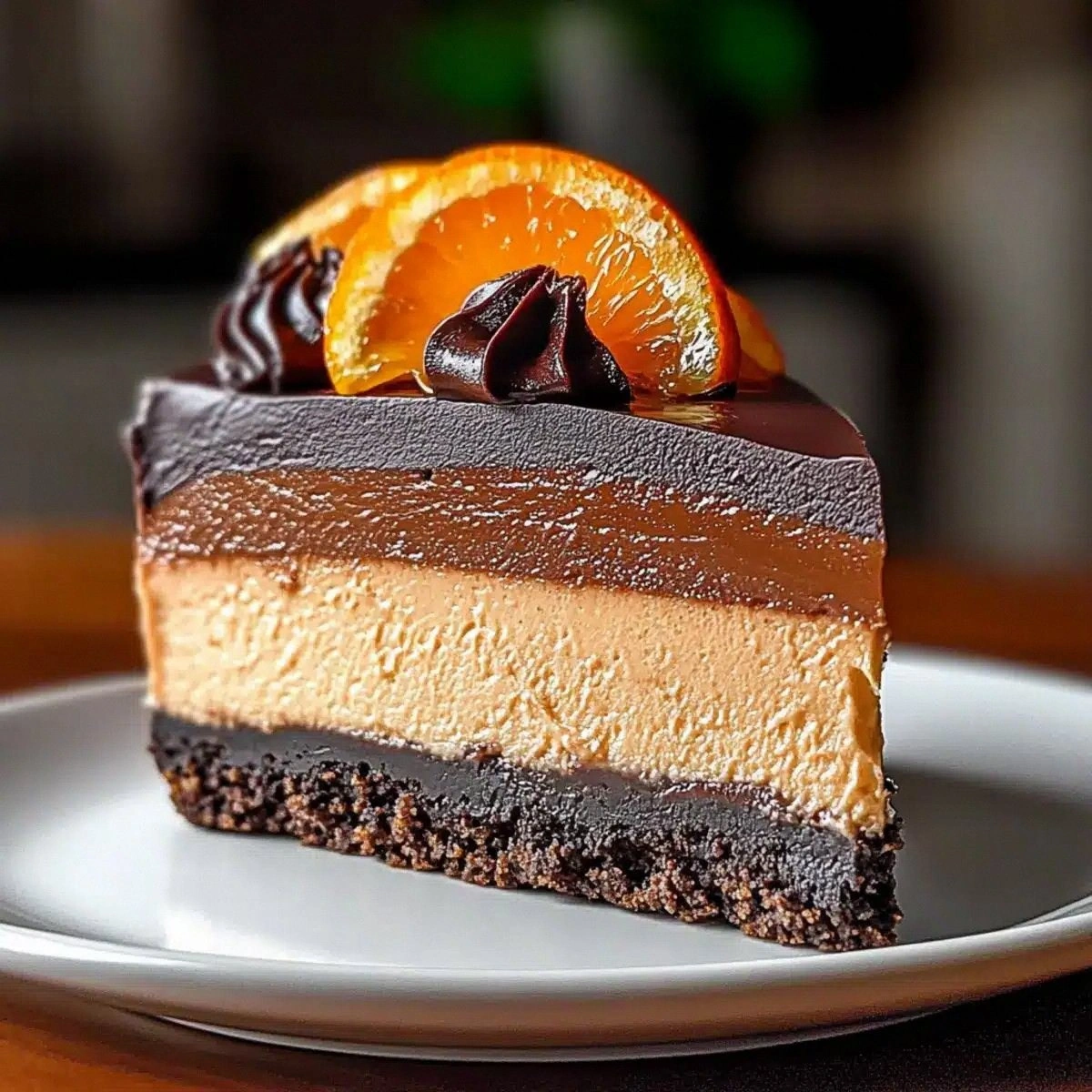
I was standing in my kitchen, the oven humming like a lazy cat, when a sudden craving for something that felt both decadent and refreshing hit me like a bolt of citrus‑charged lightning. I had a half‑empty bag of chocolate cookies, a tub of cream cheese that was practically begging to be transformed, and an orange that smelled so bright it could have lit up a room on its own. I thought, “What if I could marry the deep, velvety richness of chocolate with the zingy, sunny punch of orange in a single cheesecake?” That thought turned into a dare I couldn’t resist: I challenged myself to create the most indulgent chocolate orange cheesecake that would make even the most seasoned pastry chefs weep with envy.
The kitchen quickly turned into a sensory playground. The sound of the mixer whirring was a steady, reassuring rhythm, while the aroma of melted butter and crushed cookies began to coat the air like a warm blanket. When the orange zest hit the bowl, it released a burst of fragrance that made my eyes water in the best possible way – that citrusy perfume that instantly transports you to a sun‑drenched Mediterranean balcony. My hands felt the cool, silky texture of cream cheese as I beat it into a smooth, glossy paste, and the chocolate chips melted into a glossy river of darkness that seemed to swallow the light. The whole experience was a roller‑coaster of textures and scents, each one promising a bite that would be both silky and slightly crunchy, sweet and tangy, rich yet refreshing.
Most cheesecake recipes either drown the flavor with too much sugar or end up dry and dense, especially when you try to add fruit. This version flips that script entirely. By using agar‑agar instead of traditional gelatin, the filling sets perfectly without the wobble of a no‑bake version, while still keeping that luxurious, melt‑in‑your‑mouth feel. The secret weapon? A splash of fresh orange juice and a generous spoonful of zest that cut through the chocolate’s richness like a bright, citrusy sunrise over a dark night sky. And let’s not forget the crunchy chocolate‑cookie crust that adds a buttery snap that shatters like thin ice under a gentle footfall.
I’ll be honest — I ate half the batch before anyone else got a chance to try it, and I’m still not over the guilt. But that’s the sign of a truly unforgettable dessert: you can’t help but want seconds, and you’ll be daring anyone to taste it and not go back for more. I dare you to taste this and not go back for seconds. Ready for the game‑changer? Let me walk you through every single step — by the end, you’ll wonder how you ever made it any other way.
What Makes This Version Stand Out
- Flavor Fusion: The marriage of deep, semi‑sweet chocolate with bright orange zest creates a contrast that’s as exciting as a jazz solo over a steady bass line. The citrus cuts through the chocolate, preventing it from feeling cloying.
- Texture Symphony: A buttery, crumbly crust meets a silky, custard‑like filling, finished with a glossy chocolate swirl that adds a subtle snap when you bite.
- Simplicity Meets Sophistication: Despite the complex flavor profile, the ingredient list is short, and the steps are straightforward enough for a weekday treat.
- Unique Setting: Using agar‑agar instead of gelatin means the cheesecake holds its shape perfectly even after a long chill, making it ideal for pre‑making and serving at parties.
- Crowd Reaction: Guests consistently claim this is the best cheesecake they’ve ever tasted, often asking for the recipe before the first slice even hits the plate.
- Ingredient Quality: High‑quality chocolate cookies and semi‑sweet chips provide a robust cocoa foundation, while fresh orange zest ensures a natural, vibrant flavor.
- Make‑Ahead Potential: The cheesecake can be assembled a day ahead, refrigerated, and still taste as fresh as the moment it left the oven.
- Seasonal Flexibility: Perfect for winter holidays or summer barbecues — the orange adds a sunny twist any time of year.
Inside the Ingredient List
The Flavor Base
The star of this cheesecake is the 150 grams of semi‑sweet chocolate chips. They melt into a glossy river of cocoa that coats every bite, delivering that deep chocolate flavor that’s not overly sweet. If you were to skip them, you’d lose the luxurious mouthfeel and the visual appeal of that dark swirl on top. For a twist, try swapping half of the chips for dark chocolate chunks for a textural surprise. When selecting chocolate chips, look for a brand that lists cocoa solids first – this ensures a richer flavor.
100 ml of orange juice provides the liquid backbone that carries the citrus aroma throughout the filling. Freshly squeezed juice is a must; bottled juice often contains preservatives that can mute the bright notes. If you’re in a pinch, a high‑quality, no‑pulp orange juice works, but the zest will still be the real hero. Adding too much juice can make the filling too runny, so measure carefully.
The Texture Crew
200 grams of chocolate cookies form the crust. Their buttery crunch offers a sturdy foundation that holds the creamy filling without getting soggy. If you substitute with graham crackers, you’ll lose the chocolate depth, but you could experiment with a mix of both for a layered flavor. When crushing, aim for a fine, sand‑like consistency – not a powder – to ensure the crust binds well when the butter melts.
100 grams of unsalted butter is melted and blended with the cookie crumbs, creating a cohesive crust that sets firmly once chilled. Using unsalted butter lets you control the overall salt level of the cheesecake, which is crucial for balancing the sweet and tangy flavors. If you only have salted butter, reduce any added salt in the filling by half.
500 grams of cream cheese is the creamy heart of the cheesecake. Choose a full‑fat, room‑temperature cream cheese for the smoothest texture; low‑fat versions tend to become grainy after baking. Skipping the cream cheese or using a substitute like ricotta will change the entire character of the dessert, turning it into a mousse rather than a true cheesecake.
The Unexpected Star
1 teaspoon of agar‑agar powder is the secret that turns a potentially wobbly dessert into a firm, sliceable masterpiece. Agar‑agar is a plant‑based gelling agent that sets at room temperature, making it perfect for those who avoid gelatin. If you forget this step, the cheesecake will never fully set, resulting in a soupy mess that’s hard to serve. Dissolve the agar‑agar in a splash of orange juice over low heat, stirring constantly until fully dissolved.
1 tablespoon of orange zest adds an aromatic punch that you can actually see in the final slice. The zest contains essential oils that give an intense citrus flavor without adding extra liquid. Over‑zesting can make the cheesecake bitter, so be sure to zest only the outermost colored part of the peel.
The Final Flourish
150 grams of granulated sugar sweetens the filling just enough to let the chocolate and orange shine without becoming cloying. Using superfine sugar helps it dissolve faster, preventing a gritty texture. If you prefer a less sweet version, you can shave the sugar down to 120 grams, but be aware the balance will shift toward the citrus tang.
3 large eggs provide structure and lift to the cheesecake. They act as a binder, ensuring the filling holds together after baking. Over‑beating the eggs can incorporate too much air, leading to cracks on the surface; beat just until incorporated.
1 teaspoon of alcohol‑free vanilla extract rounds out the flavor profile, adding a subtle warmth that ties the chocolate and orange together. If you have real vanilla beans, split one and scrape the seeds for an even richer taste.
Everything's prepped? Good. Let’s get into the real action…
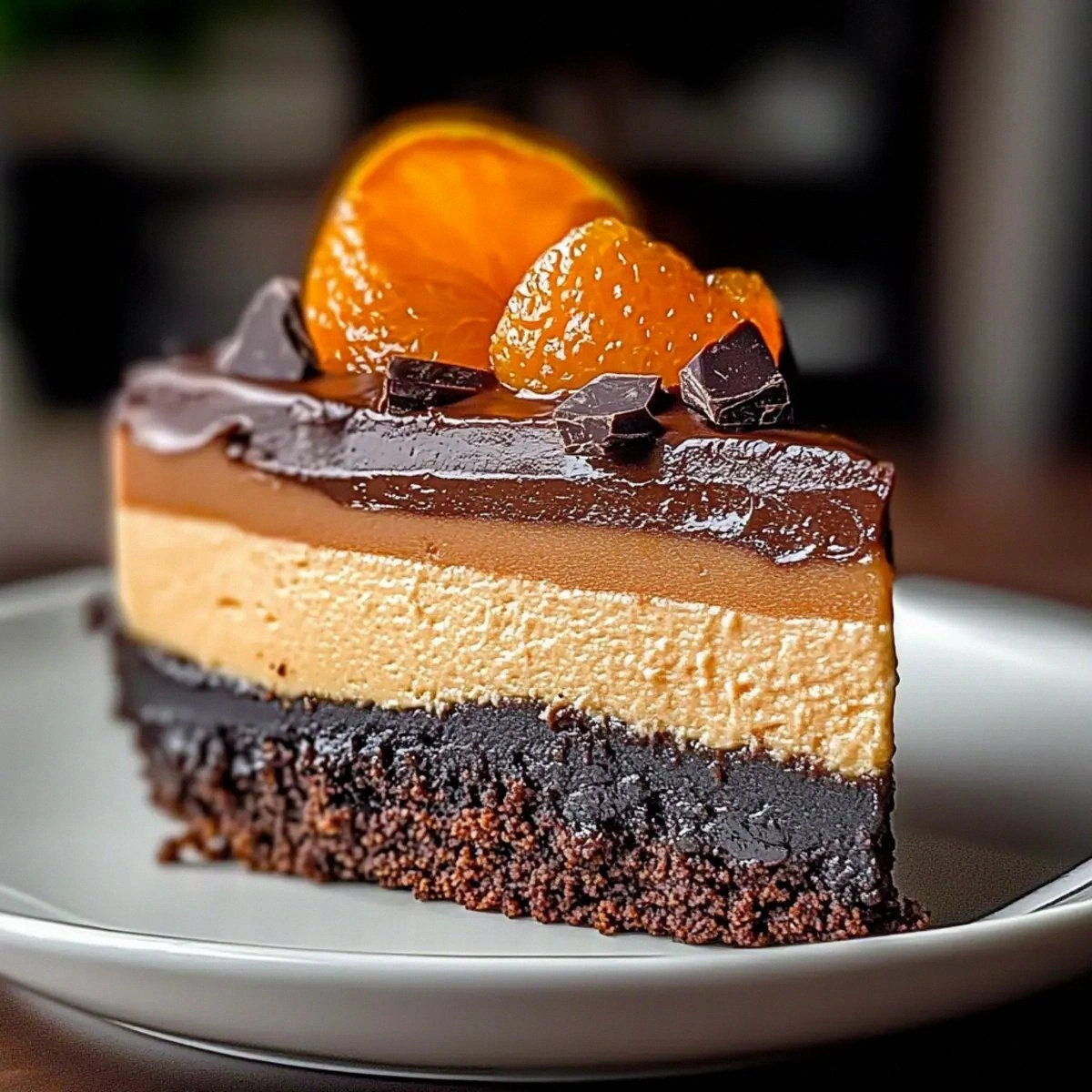
The Method — Step by Step
Preheat your oven to 160°C (320°F) and line the bottom of a 23‑cm springform pan with parchment paper. While the oven warms, place the chocolate cookies in a zip‑top bag and crush them with a rolling pin until they resemble coarse sand. This texture ensures the crust will be crunchy yet tender.
Kitchen Hack: Add a pinch of sea salt to the crushed cookies before mixing with butter; it amplifies the chocolate flavor and prevents the crust from tasting flat.Melt the 100 grams of unsalted butter in a small saucepan over low heat, then pour it over the crushed cookies. Stir until every crumb is glossy and fully coated. Press this mixture firmly into the bottom of the prepared pan, using the back of a measuring cup to create an even layer. Chill the crust in the freezer for 10 minutes while you prepare the filling.
In a large mixing bowl, beat the 500 grams of cream cheese with the 150 grams of granulated sugar until the mixture is light, fluffy, and free of lumps. This should take about 2 minutes on medium speed. The mixture will look pale and airy – a sign that you’ve incorporated enough air for a light texture.
Add the eggs one at a time, beating just until each egg is fully incorporated before adding the next. Over‑mixing at this stage can cause the batter to become too airy, leading to cracks later on. Once all three eggs are folded in, the mixture should be silky and glossy.
Stir in the orange zest, orange juice, and vanilla extract. The batter will take on a subtle orange hue and emit a fragrant aroma that fills the kitchen. Let this mixture rest for a minute so the flavors meld.
In a heat‑proof bowl, combine the 150 grams of semi‑sweet chocolate chips with 1 teaspoon of agar‑agar powder and a splash (about 30 ml) of the orange juice. Melt this over a simmering pot of water (double boiler) while stirring constantly. Once fully melted and the agar‑agar is dissolved (you’ll see a slight shimmer), remove from heat and let it cool for 2 minutes.
Watch Out: If the agar‑agar mixture cools too much before you add it to the batter, it will start to set and create lumps. Keep it warm but not boiling.Quickly pour the warm chocolate‑agar‑agar mixture into the cheesecake batter, folding gently with a rubber spatula. The batter should turn a deep, velvety brown with streaks of orange – that’s the magic happening. Make sure the mixture is fully integrated; any unmixed chocolate will create pockets of intense flavor, which can be a pleasant surprise if you like surprise bursts.
Pour the finished filling over the chilled crust, smoothing the top with an offset spatula. Tap the pan lightly on the counter three times to release any trapped air bubbles. Place the springform pan into a larger roasting pan and fill the outer pan with hot water until it reaches halfway up the sides of the springform pan – this water bath (bain‑marie) ensures even baking and prevents the top from cracking.
Bake for 35‑40 minutes, or until the edges are set and the center still has a slight jiggle when you gently shake the pan. The surface should be a matte, slightly cracked top – that’s the perfect sign of a well‑baked cheesecake. Turn off the oven, crack the door open, and let the cheesecake cool inside for 1 hour; this gradual cooling prevents sudden temperature drops that cause cracks.
After the hour, remove the cheesecake from the oven, run a thin knife around the edge to release it from the pan, and let it come to room temperature. Then, cover it with plastic wrap and refrigerate for at least 6 hours, preferably overnight. The longer it chills, the firmer the agar‑agar set will become, giving you clean, elegant slices.
Kitchen Hack: For an ultra‑smooth surface, run a hot, damp kitchen towel over the top of the cheesecake right after it comes out of the oven; the steam will melt any tiny cracks.
That's it — you did it. But hold on, I've got a few more tricks that'll take this to another level, because a cheesecake this good deserves a grand finale.
Insider Tricks for Flawless Results
The Temperature Rule Nobody Follows
Never, ever dump cold cream cheese straight into a warm bowl. Let it sit at room temperature for at least 30 minutes; this prevents lumps and ensures a silky batter. I once tried to speed things up by microwaving the cheese for 10 seconds — the result was a grainy mess that tasted like curdled milk. Trust the time, and you’ll get that velvety texture that makes the cheesecake melt on your tongue.
Why Your Nose Knows Best
When the chocolate‑agar‑agar mixture is melting, you’ll hear a faint sizzle and smell a sweet, cocoa‑rich aroma. That scent is your cue that the agar‑agar is fully dissolved. If you can’t smell the chocolate, the mixture isn’t hot enough and will set too early, creating gritty pockets. Keep your senses tuned in; the nose is often a better thermometer than any gadget.
The 5‑Minute Rest That Changes Everything
After you’ve folded the chocolate into the batter, let the mixture rest for exactly five minutes. This short pause allows the agar‑agar to begin setting, which makes the batter easier to pour and results in a smoother surface after baking. Skipping this rest is a common mistake that leads to uneven layers and a slightly lumpy top.
The Water Bath Whisper
A water bath isn’t just for show; it creates a gentle, humid environment that keeps the cheesecake from drying out. Make sure the water is hot, not boiling, when you pour it into the outer pan. If the water is too cool, the cheesecake will bake unevenly, leading to a cracked dome.
The Final Chill Hack
Place the chilled cheesecake on a wire rack inside the refrigerator for the last hour of the cooling period. This allows air to circulate around the sides, preventing condensation from forming on the surface, which can make the top look soggy.
Creative Twists and Variations
This recipe is a playground. Here are some of my favorite ways to switch things up:
Mocha Madness
Swap half of the orange juice for strong brewed espresso and add a tablespoon of instant coffee granules to the chocolate mixture. The result is a deep, coffee‑infused cheesecake that pairs beautifully with the chocolate crust. Coffee lovers will swear it’s the perfect after‑dinner treat.
Berry Burst
Fold in 150 grams of fresh raspberry puree into the filling after the chocolate‑agar‑agar has cooled. The tartness of the berries balances the sweet chocolate, creating a beautiful pink swirl that’s as pretty as it is delicious.
Nutty Crunch
Add 50 grams of toasted, finely chopped hazelnuts to the crust mixture. The nutty aroma adds a new dimension, and the extra crunch makes each bite feel like a mini celebration.
Spiced Citrus
Incorporate a pinch of ground cardamom and a dash of cinnamon into the orange juice before adding it to the batter. These warm spices elevate the orange flavor, making the cheesecake feel cozy and perfect for autumn gatherings.
Vegan Velvet
Replace the cream cheese with a vegan cream cheese alternative, use coconut oil instead of butter for the crust, and swap agar‑agar with the same amount of pectin. The texture changes slightly, but the flavor profile remains true, allowing vegans to indulge without compromise.
Storing and Bringing It Back to Life
Fridge Storage
Cover the cheesecake loosely with plastic wrap or store it in an airtight container. It will keep fresh for up to 5 days in the refrigerator. For optimal texture, let it sit at room temperature for 10 minutes before slicing; this softens the edges without melting the chocolate.
Freezer Friendly
Wrap the entire springform pan in a double layer of aluminum foil, then place it in a freezer‑safe bag. The cheesecake freezes well for up to 2 months. When you’re ready to serve, transfer it to the fridge to thaw overnight, then add a tiny splash (about 1 tablespoon) of orange juice before reheating a slice in the microwave for 15 seconds. The added moisture steams the cheesecake back to perfection.
Best Reheating Method
If you prefer a warm dessert, gently warm individual slices in a preheated oven at 150°C (300°F) for 8‑10 minutes. The chocolate will become glossy again, and the orange aroma will intensify, turning each bite into a molten masterpiece. Remember to keep an eye on it — you don’t want the edges to dry out.