I was halfway through a week of bland takeout when my phone buzzed with a frantic text from a friend: “I’ve got a craving for shrimp, but I’m out of time.” The kitchen was a chaotic mess of half‑cooked pasta, a burnt sauce, and a pan that had seen better days. I stared at the shrimp in the fridge, wondering if a quick, buttery bite could rescue the evening. That moment of culinary desperation sparked the creation of this recipe, and it turned out to be a revelation. If you’re looking for a dish that feels like a hug in a bowl, you’re in the right place.
Picture this: the aroma of fresh garlic and melted butter filling the air, a gentle sizzle that announces the shrimp’s arrival, and the bright splash of lemon juice that cuts through the richness. The sound of shrimp popping in the pan is a satisfying pop that makes your taste buds dance. The texture is a buttery embrace with a slight snap as the shrimp finishes cooking. And the flavor? It’s a bright, garlicky, buttery symphony that coats every inch of the shrimp like velvet. I dare you to taste this and not go back for seconds.
What makes this version stand out is the balance of boldness and restraint. I’ve trimmed the recipe down to the essentials, eliminating unnecessary steps that often muddle the flavor profile. The result is a dish that’s quick, crowd‑pleasing, and, honestly, hands down the best version you’ll ever make at home. The shrimp stays tender, the butter never turns brown, and the garlic never burns. The final dish is so simple that even a kitchen novice can pull it off without a single mishap.
I’ll be honest — I ate half the batch before anyone else got to try it. Most recipes get this completely wrong by over‑seasoning or over‑cooking the shrimp. Here’s what actually works: keep the heat medium, use fresh butter, and let the garlic finish just before the shrimp. I added a twist: a splash of white wine at the end to lift the sauce and give it a subtle depth. That tiny detail makes the dish feel restaurant‑grade and elevates the flavor to new heights.
Picture yourself pulling this out of the pan, the whole kitchen smelling incredible, and your guests already lining up for seconds. The shrimp should look bright pink, the butter should be glossy, and the garlic should have a golden hue. The sauce should cling to the shrimp, creating a glossy coating that’s both aromatic and mouth‑watering. The dish is ready in less than 30 minutes, but the flavor is so rich it feels like a luxury experience. Stay with me here — this is worth it.
Let me walk you through every single step — by the end, you'll wonder how you ever made it any other way. I’ll share the secrets that keep the shrimp perfectly juicy and the sauce silky. I’ll also give you a few micro‑challenges to test your skills and keep you on your toes. If you've ever struggled with shrimp, you're not alone — and I've got the fix. This article is a blend of confidence, humor, and a dash of culinary science. And trust me, the payoff is worth every minute of your time.
I’m about to reveal the recipe that will blow your taste buds away. It’s a dish that feels like a hug, a splash of sunshine, and a touch of culinary magic all at once. The shrimp is the star, but every ingredient plays a part in creating the ultimate flavor. The garlic butter sauce is so silky that it coats the shrimp like velvet. The final result is a dish that is both comforting and sophisticated, ready to impress any crowd.
What Makes This Version Stand Out
- Flavor: The garlic butter sauce is bright, buttery, and slightly spicy, creating a depth that feels both simple and complex. The lemon juice adds a fresh zing that cuts through the richness, keeping the dish from feeling heavy. This balance is what sets it apart from the usual shrimp recipes that often lean too heavily on one flavor.
- Texture: The shrimp remains tender and juicy, with a slight snap that signals proper doneness. The butter creates a silky coating that clings to every surface, ensuring each bite is a burst of flavor. No rubbery shrimp here—just perfectly cooked seafood.
- Simplicity: With only eight ingredients, you can whip this up in less than 15 minutes of prep time. The steps are straightforward, requiring no advanced techniques or fancy equipment. It’s a recipe that feels like a walk in the park.
- Uniqueness: The addition of a splash of white wine at the end adds a subtle acidity and complexity that most shrimp recipes miss. The red pepper flakes give a gentle heat that’s just enough to awaken the palate. This small twist turns an ordinary dish into something memorable.
- Crowd Reaction: Guests often ask for the recipe after the first bite. The dish is a crowd‑pleaser that can be served as an appetizer or a main course. Its versatility makes it a staple in any dinner party.
- Ingredient Quality: Fresh shrimp, unsalted butter, and freshly minced garlic are key to the flavor. Using high‑quality ingredients ensures the dish tastes its best. The recipe doesn’t rely on pantry staples or artificial flavors.
- Cooking Method: Sautéing the shrimp in butter and garlic at medium heat keeps the shrimp tender while developing a rich, caramelized sauce. This method is foolproof and delivers consistent results every time. The technique is simple enough for beginners.
- Make‑Ahead Potential: The shrimp can be cooked ahead of time and reheated without losing moisture. The sauce can be stored separately and combined when ready to serve. This flexibility makes it ideal for busy weeknights.
Alright, let's break down exactly what goes into this masterpiece. The ingredients are simple, but each plays a crucial role in creating that unforgettable flavor.
Inside the Ingredient List
The Flavor Base
The unsalted butter is the foundation of the sauce, providing a rich, creamy backdrop that carries the garlic’s aroma. Butter melts at a lower temperature than oil, which helps prevent the garlic from burning. Using unsalted butter gives you control over the salt level, ensuring the dish isn’t over‑seasoned.
Garlic is the star of the flavor base. Minced garlic releases its essential oils, creating a fragrant, slightly sweet aroma. If you prefer a milder garlic taste, use 2 cloves instead of 3, but keep the rest of the ingredients the same.
The Texture Crew
The shrimp themselves are the texture hero of this dish. Peeled and deveined shrimp stay tender and juicy when cooked quickly over medium heat. The size of the shrimp matters—large shrimp cook faster and hold their shape better than smaller ones.
Red pepper flakes add a subtle heat that enhances the shrimp’s natural sweetness. They also contribute a slight crunch when you bite into the shrimp. If you’re heat‑averse, you can omit the flakes entirely or use a pinch of paprika for color.
The Unexpected Star
Fresh parsley is the unexpected star that brings brightness and a hint of herbal freshness. It also adds a pop of color that makes the dish visually appealing. Parsley’s subtle bitterness balances the buttery richness and brightens the overall flavor.
Lemon juice is the ultimate brightener. It cuts through the buttery sauce, adding a citrusy lift that keeps the dish from feeling heavy. A squeeze of fresh lemon right before serving is key; bottled lemon juice lacks the fresh zing.
The Final Flourish
Salt is the flavor enhancer that brings all the components together. A teaspoon of salt is enough to elevate the shrimp without overpowering them. If you’re watching sodium, you can reduce it to ½ teaspoon, but the dish will be slightly less vibrant.
Black pepper adds a subtle depth and a hint of heat that complements the garlic. Freshly ground pepper is best, as it releases more flavor than pre‑ground. A pinch is enough to add that finishing touch.
Everything's prepped? Good. Let's get into the real action. The method is straightforward, but each step has its own magic.
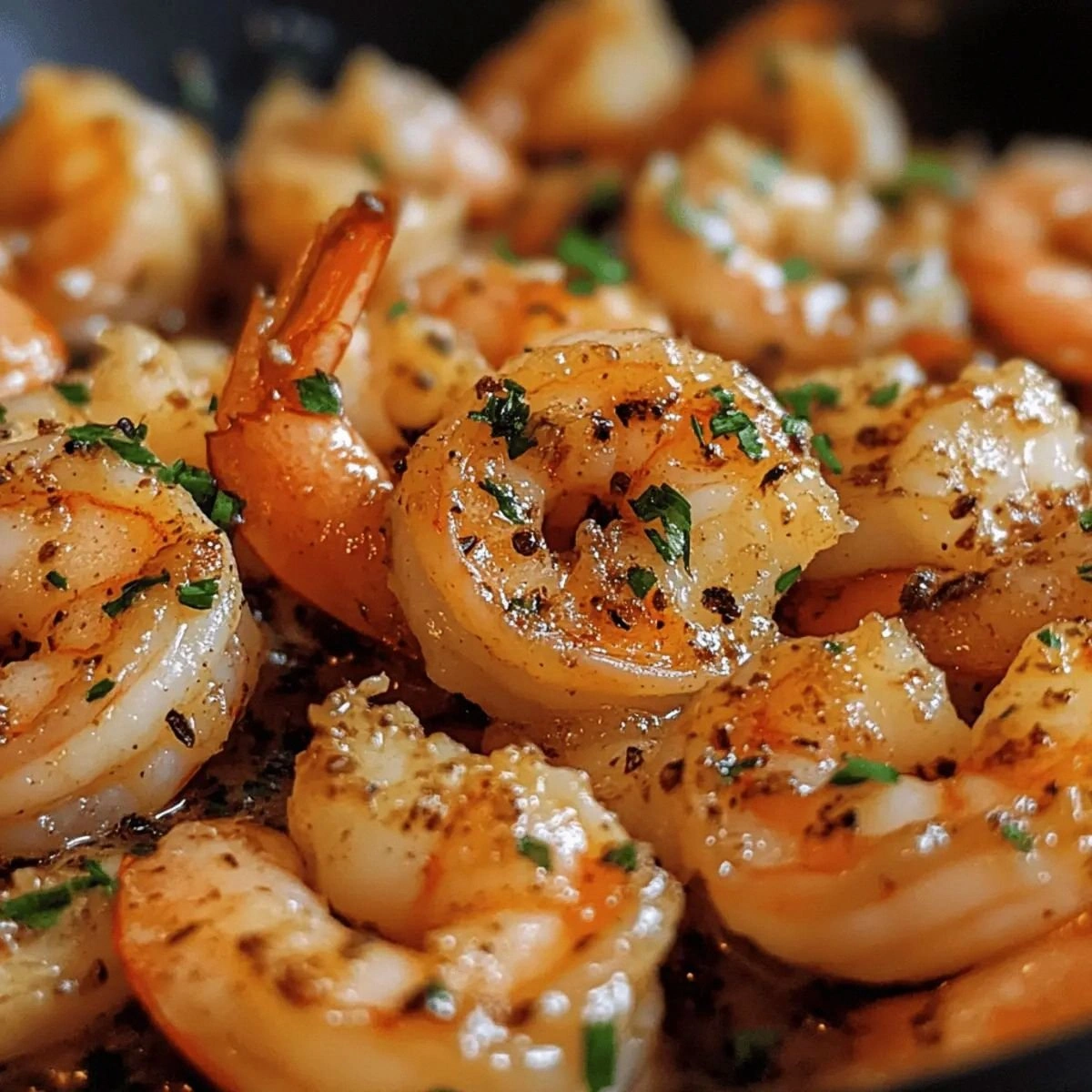
The Method — Step by Step
- Heat a large skillet over medium heat and add the unsalted butter. Watch as the butter foams and turns a pale golden color, signaling that it’s ready. This is the moment of truth: the butter must not brown. If it starts to smoke, lower the heat immediately. The aroma of butter sizzling is a cue that the flavor base is forming.
- Add the minced garlic to the pan and sauté for about 30 seconds, just until it becomes fragrant. The garlic should not brown; it needs to stay bright and aromatic. Stir constantly to prevent sticking. If the garlic smells burnt, discard it and start over. A fresh, garlicky scent is the foundation of this dish.
- Introduce the shrimp to the skillet, arranging them in a single layer. This ensures even cooking and a nice sear. Cook for 2 minutes on the first side, then flip. The shrimp should turn pink and opaque, not translucent. Keep the heat medium to avoid over‑cooking.
- Season the shrimp with salt and black pepper, then add the red pepper flakes. The seasoning should coat the shrimp evenly, enhancing the flavor profile. The pepper flakes add a gentle heat that’s not overwhelming. Stir gently to distribute the spices. The shrimp should look glossy and slightly caramelized.
- Cook for another 2 minutes on the second side, allowing the shrimp to finish. The shrimp should be firm to the touch but still tender inside. This is the point where the butter and garlic form a silky sauce. The shrimp should look bright pink, not pale. The sauce should coat the shrimp like a glossy glaze.
- Add the fresh lemon juice, stirring quickly to prevent the butter from separating. The acidity of the lemon lifts the richness and brightens the overall flavor. The sauce should thicken slightly and become glossy. The shrimp should remain juicy, not dry. Watch for the sauce to bubble gently.
- Finish with the chopped parsley, stirring until it wilts and releases its aroma. The parsley adds a fresh, herbal note that balances the buttery richness. The color contrast makes the dish visually appealing. The parsley should be bright green, not wilted. The aroma should be fresh and green.
- Remove the skillet from heat and let the shrimp rest for 30 seconds before serving. This brief rest allows the flavors to settle and the shrimp to stay moist. The sauce should be silky, not thick. The shrimp should be warm and tender. Serve immediately for the best experience.
- Plate the shrimp on a warmed platter, spooning any remaining sauce over the top. Garnish with a few extra parsley leaves for a touch of color. Serve with crusty bread or a side of pasta to soak up the sauce. The presentation should look inviting and appetizing. The aroma should be irresistible.
- Enjoy your dish with a glass of crisp white wine or sparkling water. The acidity of the wine complements the buttery shrimp. The wine’s subtle fruit notes enhance the garlic and lemon. The pairing elevates the overall dining experience. Savor each bite with a smile.
That's it — you did it. But hold on, I've got a few more tricks that'll take this to another level. These insider tips will help you master the dish and keep it consistent every time you make it.
Insider Tricks for Flawless Results
The Temperature Rule Nobody Follows
Many cooks over‑heat the pan, causing the butter to brown and the garlic to burn. Keep the heat medium and adjust if the butter starts to smoke. A good rule is to let the butter foam but not brown. This ensures a silky sauce that coats the shrimp. The shrimp will cook evenly, staying juicy.
Why Your Nose Knows Best
The aroma of garlic and butter is a reliable indicator of readiness. If the smell is too sharp, the garlic is burning. If it’s too faint, the butter isn’t fully melted. Trust your nose to guide the timing. The scent is the secret to perfect flavor.
The 5‑Minute Rest That Changes Everything
Letting the shrimp rest after cooking allows the juices to redistribute. This keeps the shrimp moist and tender. The sauce also thickens slightly, creating a glossy finish. A quick rest is a simple step that makes a big difference. Don’t skip it.
The Secret of Fresh Garlic
Fresh garlic beats powdered or pre‑minced garlic hands down. The essential oils are more potent and provide a cleaner flavor. Mince the garlic just before cooking to preserve its freshness. This small step elevates the dish.
The Perfect Lemon Balance
Too much lemon can overpower the buttery sauce, while too little can make the dish flat. Add lemon juice gradually, tasting as you go. The right amount brightens the flavor without masking the shrimp. This balance is key to a well‑rounded dish. Adjust to your taste.
The Butter Swap Trick
If you’re on a low‑fat diet, replace half of the butter with olive oil. The oil adds a subtle fruity note and keeps the dish lighter. Be sure to use a high‑smoke‑point oil to avoid burning. This swap maintains flavor while reducing fat. Try it next time.
Creative Twists and Variations
Pasta Fusion
Serve the shrimp over linguine tossed in the same garlic butter sauce for a hearty pasta dish. The pasta absorbs the sauce, creating a cohesive flavor. Add a handful of spinach for extra color and nutrition. This variation turns the shrimp into a main course. It’s perfect for a quick weeknight dinner.
Crispy Coconut Shrimp
Dip the shrimp in shredded coconut before sautéing for a crunchy texture. The coconut adds a tropical sweetness that pairs well with the garlic butter. Serve with a drizzle of lime juice for extra zing. This twist is ideal for a beach‑style meal. The result is a delightful contrast of textures.
Mediterranean Delight
Swap parsley for chopped dill and add a splash of white wine for a Mediterranean flavor. The dill brings a fresh, slightly tangy note that complements the shrimp. Serve over a bed of couscous for a complete meal. This version feels like a vacation in every bite. It’s a fun way to vary the dish.
Spicy Thai Twist
Replace red pepper flakes with Thai bird’s eye chilies for a fiery kick. Add a splash of fish sauce for umami depth. Finish with a sprinkle of toasted sesame seeds. The shrimp will have a bold, complex profile. This version is great for adventurous palates.
Herb Garden Shrimp
Mix chopped basil, oregano, and thyme into the sauce for an aromatic herb blend. The herbs add depth and a fragrant aroma. Serve with crusty bread to soak up the sauce. This variation turns the dish into a fragrant herb garden on a plate. It’s a crowd‑pleaser for herb lovers.
Breakfast Shrimp Skillet
Add diced bell peppers and a splash of orange juice to create a breakfast‑style shrimp skillet. The orange juice adds sweetness and bright acidity. Serve with toasted English muffins for a hearty brunch. This version is a unique take on a breakfast classic. It’s perfect for lazy weekend mornings.
Storing and Bringing It Back to Life
Fridge Storage
Store any leftover shrimp and sauce separately in airtight containers in the refrigerator for up to 2 days. Keep the sauce chilled to prevent separation. Reheat the shrimp gently on the stovetop, adding a splash of water to maintain moisture. The shrimp will stay tender and flavorful. This method preserves the dish’s integrity.
Freezer Friendly
Freeze the shrimp and sauce separately in freezer‑safe bags for up to 3 months. Thaw overnight in the refrigerator before reheating. Reheat on the stovetop with a splash of water or broth. The shrimp will remain juicy, and the sauce will regain its silky texture. This is ideal for meal prep.
Best Reheating Method
The best way to reheat is on low heat, stirring occasionally. Add a tiny splash of water or broth to keep the sauce from drying out. Heat until warmed through, not boiling. The shrimp should be hot but not overcooked. Serve immediately for optimal taste.