Picture this: I was halfway through a midnight taco binge and the kitchen was a smoky mess. The stove was sputtering, the fridge was a rainbow of leftovers, and my phone buzzed with a friend’s dare: “Cook something that will blow your taste buds.” I stared at the pantry, felt the heat rise, and decided to turn chaos into culinary triumph. The moment I cracked open the shrimp bag, a promise of briny, buttery delight whispered across the countertop.
That sizzling sound when the shrimp hit the hot pan is a symphony of hope—crackling, popping, and the faint scent of garlic. I could almost taste the glossy sheen that coats the shrimp like velvet, the vegetables crisping to a caramelized edge that shatters like thin ice. It was a kitchen disaster that turned into a revelation; the broth of flavors that would simmer in minutes. I dared you to taste this and not go back for seconds, because the combination is addictive. This is hands down the best version you'll ever make at home, and I’m about to show you how.
Most recipes get this completely wrong, focusing on overcooking or underseasoning. I’ve spent years testing, tweaking, and finally found the sweet spot where shrimp stays tender and veggies stay vibrant. The secret lies in the balance of sweet, salty, and umami, and a dash of brightness from rice vinegar. If you've ever struggled with this, you're not alone—and I've got the fix. Picture yourself pulling this out of the pan, the whole kitchen smelling incredible, and your friends asking for the recipe.
Let me walk you through every single step—by the end, you'll wonder how you ever made it any other way. I’ll share the micro‑challenge of timing the stir‑fry, the bold claim that a single tablespoon of honey can make the sauce silky, and the confession that I ate half the batch before anyone else got to try it. Stay with me here—this is worth it. And now the fun part, the moment where flavor meets texture. Ready? Let’s dive in.
What Makes This Version Stand Out
- Flavor: The sauce balances sweet honey, salty soy, and bright vinegar, creating a complex profile that coats each ingredient. It’s like a velvet blanket that lets each bite sing. The result is a savory‑sweet explosion that lingers on the palate.
- Texture: Shrimp stays juicy and tender while broccoli and snap peas retain a satisfying snap. The quick stir keeps vegetables crisp, and the cornstarch slurry gives the sauce a silky sheen without clumps. The contrast is a dance of crunch and melt.
- Speed: From prep to plate takes only 25 minutes, making it a perfect weeknight hero. You can have a restaurant‑quality meal without the wait. The recipe’s efficiency is a game‑changer for busy cooks.
- Ingredient Quality: Fresh, high‑quality shrimp and crisp vegetables make all the difference. Using a good soy sauce and sesame oil elevates the dish instantly. The ingredients are simple but transformative.
- Versatility: Swap shrimp for chicken or tofu and you still get the same flavor punch. The sauce works on rice, noodles, or as a dip. It adapts to what you have on hand.
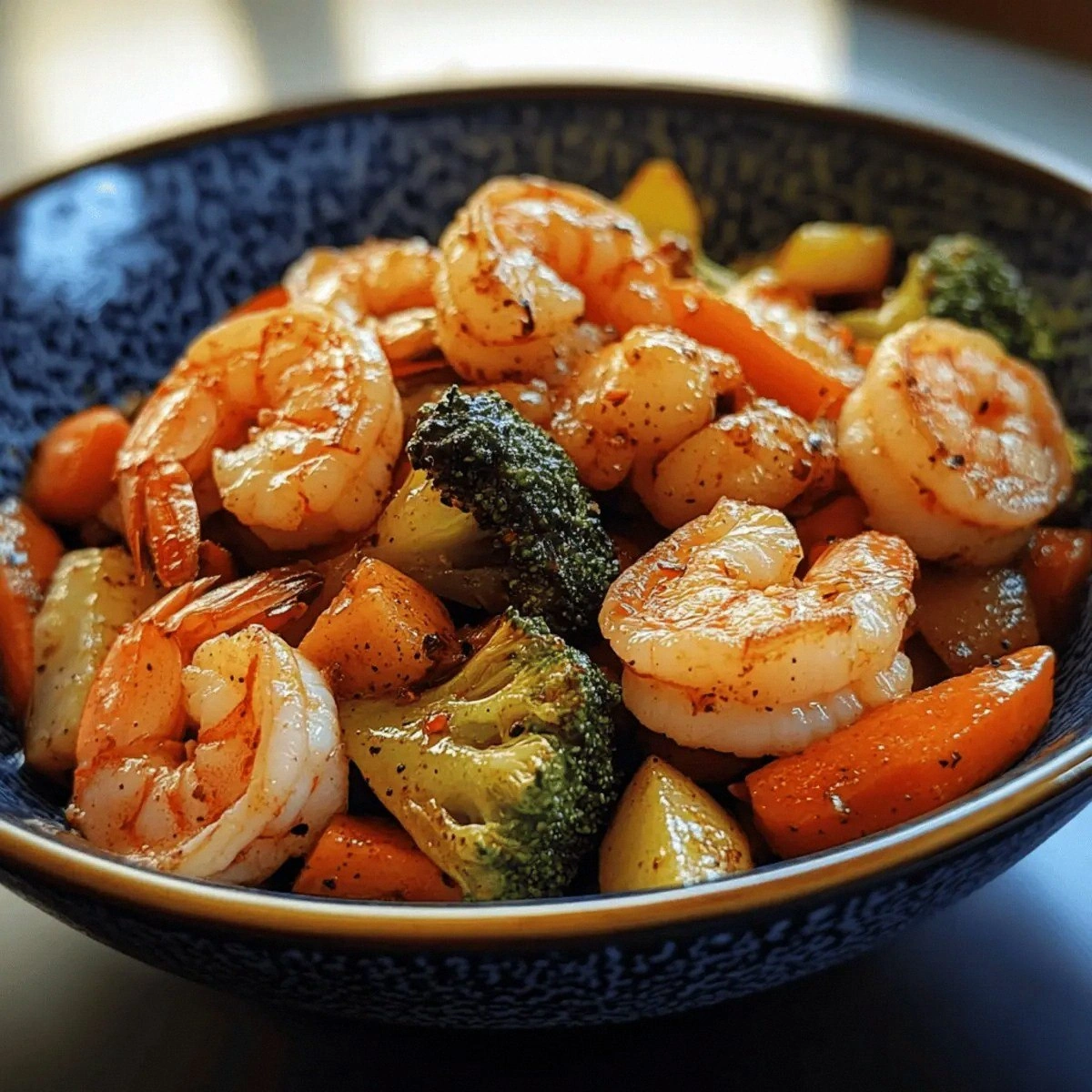
- Presentation: The bright colors of bell peppers, broccoli, and snap peas create a visual feast that’s Instagram‑ready. The sesame seeds add a pop of gold that makes the dish look polished. It’s as good to look at as it is to eat.
Alright, let's break down exactly what goes into this masterpiece...
Inside the Ingredient List
The Flavor Base
The foundation of this stir‑fry is a trio of sauces that work in harmony. Soy sauce provides a deep umami backbone, while honey injects a natural sweetness that balances the saltiness. Rice vinegar adds a bright acidity that cuts through the richness of the sesame oil. Together, they create a sauce that coats every morsel without overpowering the fresh flavors.
Each component plays a distinct role: soy sauce delivers savory depth, honey offers a silky sweetness that caramelizes, and vinegar brings a tangy lift. When blended, they form a glossy glaze that clings to shrimp and vegetables alike. If you’re craving a sweeter version, simply double the honey—just be mindful of the salt balance.
Skipping any of these will shift the flavor profile dramatically. Removing the vinegar will leave the sauce overly sweet and flat, while omitting honey will make the dish taste too salty. The balance of these four ingredients is what elevates this stir‑fry from ordinary to unforgettable.
The Texture Crew
Texture is king in a stir‑fry, and the vegetables in this recipe are chosen for their contrasting crunches. Broccoli florets offer a hearty bite, snap peas bring a snap that’s almost musical, and carrots add a subtle sweetness. Bell peppers contribute a juicy pop that balances the firm veggies.
Cutting techniques matter: slice the peppers into uniform strips so they cook evenly, and cut broccoli into bite‑size florets to keep them tender. Shrimp should be peeled and deveined, but left whole for maximum juiciness. The right size ensures each component finishes at the same time, preventing over‑cooked or raw spots.
If you cut the vegetables too thick, they'll steam rather than stir‑fry, losing that coveted crispness. Conversely, too thin slices can burn quickly. Aim for a balance that allows them to sauté while still maintaining a satisfying bite. This attention to detail is what makes the dish feel polished and professional.
The Unexpected Star
Garlic and ginger are the unsung heroes that elevate the flavor profile. Garlic brings a robust, aromatic depth that lingers long after the dish is finished. Ginger adds a subtle heat that balances the sweetness of honey and the saltiness of soy, creating a harmonious palate.
The key to unlocking their potential is timing. Add garlic and ginger at the very beginning of the stir‑fry to release their flavors fully. If you wait too long, the aromatics lose potency, and the dish feels flat. The result is a sauce that sings with layers of complexity.
Watch out for the dreaded “burnt garlic” moment: if you keep the heat too high, garlic can char quickly, turning your sauce bitter. Lower the flame after the aromatics bloom, then increase it when you add the veggies. This subtle shift keeps the dish bright and flavorful.
The Final Flourish
The finishing touches are what give this stir‑fry its final flourish. A splash of cornstarch slurry thickens the sauce to a glossy sheen that clings to every bite. Sesame seeds add a nutty crunch, while green onions provide a fresh, sharp finish. These simple additions transform a good dish into a great one.
When you plate the dish, let the sauce coat the shrimp and vegetables evenly. A quick toss ensures that every bite is coated with that silky glaze. Sprinkle the sesame seeds and green onions last to preserve their crunch and freshness.
Skipping the sesame seeds or green onions may make the dish look and taste slightly flat. The seeds provide a subtle nutty flavor that complements the sweet‑salty sauce, while the onions add a bright, herbal note that lifts the entire dish.
The Method — Step by Step
- Begin by washing and cutting all vegetables into uniform sizes. Peel and devein the shrimp, pat them dry with a paper towel, and set aside. Mince the garlic finely and grate the ginger into a small bowl. A well‑prepared mise‑en‑place makes the next steps feel effortless. Remember, the quicker you can move, the faster the dish will finish.
- Heat a wok or large skillet over medium‑high heat. Add the sesame oil and swirl until it shimmers. Once the oil is hot, add the shrimp in a single layer, letting them sear without moving them for 30 seconds. Flip and cook the other side until pink, then transfer to a plate. This quick sear locks in juices and gives the shrimp a beautiful golden hue.
- Add the minced garlic and grated ginger to the hot oil, stirring constantly. Let them sauté for 15–20 seconds until fragrant—watch for the aroma that signals they’re ready. This is the moment of truth; the aromatics set the tone for the entire dish. Don’t let them brown; that would introduce bitterness.
- Introduce the broccoli, snap peas, carrots, and bell peppers in that order, stirring constantly. Cook for 3–4 minutes, or until the vegetables are bright green and just tender. The quick stir‑fry technique keeps them crisp, so they don’t turn mushy. This step is the heart of the texture.
- Whisk together the soy sauce, honey, rice vinegar, and cornstarch slurry in a small bowl. The cornstarch should be dissolved completely to avoid lumps. This slurry will thicken the sauce, giving it that silky coat. Keep it ready to pour in the next step.
- Return the shrimp to the pan and pour the sauce over everything. Stir vigorously to coat all ingredients. Watch out for clumps; if the sauce thickens too quickly, let it simmer for a minute before whisking again. The sauce should cling to the shrimp and veggies, creating a glossy finish.
- Cook for another minute, letting the sauce thicken and coat everything. The shrimp should be pink and the vegetables tender yet crisp. At this point, the dish should emit a fragrant aroma that makes your mouth water. This is pure magic.
- Finish by sprinkling the green onions and sesame seeds over the stir‑fry, then give everything a final toss. Plate immediately over steaming rice or noodles. The contrast of hot, glossy sauce with fresh, crunchy garnishes is unbeatable. Serve and enjoy the applause from your taste buds.
That's it — you did it. But hold on, I've got a few more tricks that'll take this to another level...
Insider Tricks for Flawless Results
The Temperature Rule Nobody Follows
Many cooks think a medium heat is safe for stir‑fry, but the secret is to start high and dial down after searing. This prevents veggies from steaming and keeps the shrimp juicy. I’ve seen beginners over‑cook their veggies because they keep the heat low. Adjusting the temperature early on guarantees a crisp finish every time.
Why Your Nose Knows Best
Before you even taste, smell the stir‑fry. The aroma of garlic and ginger should rise immediately, signaling that the aromatics are blooming. If the scent is weak, the sauce needs more time on the heat. Trust your nose; it’s the most reliable indicator of flavor development.
The 5-Minute Rest That Changes Everything
After cooking, let the dish rest for 5 minutes off the heat. This allows the sauce to set and the flavors to meld. I’ve seen dishes that feel flat right after the stove; a short rest turns them into a cohesive masterpiece. Don’t skip this step, even if you’re in a hurry.
The Secret to a Non‑Sticky Sauce
If the sauce becomes too thick, add a splash of water or broth to loosen it. The trick is to maintain the glossy sheen without losing thickness. I once added a tablespoon of water to rescue a thickened sauce, and it worked like a charm. Keep a small measuring cup handy for quick adjustments.
The Quick Heat Switch
When adding the shrimp back to the pan, switch the heat to medium‑low. This prevents the shrimp from overcooking while the sauce thickens. Many people keep the heat high, which can result in rubbery shrimp. A gentle heat keeps the shrimp tender and the sauce silky.
The Garnish Game
Garnishing isn’t just decoration; it adds texture and flavor. Toast sesame seeds in a dry skillet until golden before sprinkling them on top. This adds a nutty crunch that elevates the dish. If you’re short on time, simply use raw seeds, but toasted ones give that extra pop.
Creative Twists and Variations
This recipe is a playground. Here are some of my favorite ways to switch things up:
Protein Swap: Chicken Crunch
Replace shrimp with sliced chicken breast for a leaner protein. Marinate the chicken briefly in soy sauce and ginger before stir‑frying. The result is a savory, tender bite that still holds the sauce beautifully.
Vegan Victory
Use tofu or tempeh instead of shrimp for a plant‑based version. Press the tofu to remove excess moisture, then pan‑fry until golden before adding the sauce. The tofu soaks up the glaze, delivering a satisfying bite.
Spicy Kick
Add sliced red chili or a teaspoon of sriracha to the sauce for heat. The sweetness of honey balances the spice, creating a bold, layered flavor. Perfect for those who love a bit of fire.
Coconut Curry Twist
Replace half the soy sauce with coconut milk and add a pinch of curry powder. The creamy base turns the dish into a fragrant curry. Serve over jasmine rice for a comforting meal.
Thai Peanut Fusion
Stir in a tablespoon of peanut butter and a splash of lime juice for a Thai-inspired flavor. The peanut butter adds richness, while the lime brightens the dish. Garnish with crushed peanuts for extra crunch.
Asian Noodle Remix
Swap the rice for noodles, tossing the stir‑fry with cooked soba or ramen. The noodles soak up the sauce, creating a hearty, comforting bowl. Sprinkle with extra green onions for freshness.
Storing and Bringing It Back to Life
Fridge Storage
Store leftovers in an airtight container for up to 3 days. Keep the sauce separate if possible; this prevents the vegetables from becoming soggy. When reheating, add a splash of water to revive the sauce.
Freezer Friendly
Freeze the dish for up to 2 months in a freezer‑safe container. Thaw overnight in the fridge before reheating. The texture remains crisp, and the sauce re‑glazes beautifully with a quick stir.
Best Reheating Method
Reheat in a skillet over medium heat, adding a teaspoon of water or broth to loosen the sauce. Stir until heated through; avoid boiling to keep the shrimp tender. A quick 5‑minute reheating restores the dish’s original glory.