I’m going to start this story with a confession: the first time I tried to throw together a quick kale‑brown‑rice salad, it turned out looking like a sad, soggy lawn. The kale was still stiff as a board, the rice stuck together like toothpaste, and the lemon‑garlic dressing separated into two uncooperative layers that refused to mingle. I stared at the bowl, half‑heartedly wondering if I’d just invented a new form of culinary punishment. Then a friend dared me, eyes sparkling, “I bet you can make a version that actually makes people want seconds.” That spark lit a fire under my stovetop, and I was determined to prove the skeptics wrong.
Picture this: a sunny Saturday morning, the kitchen humming with the low whirr of the blender, the air filled with the sharp, clean scent of freshly minced garlic mingling with the earthiness of kale being massaged. I could hear the rice bubbling softly in its pot, a gentle reminder that patience is a virtue in this game. The skillet sizzles as olive oil meets the pan, and the yellow zest from a ripe lemon flares like fireworks across the countertop. My hands are slick with a thin coating of oil, but the feeling is satisfying – it’s like giving the ingredients a little spa day before they meet the plate. When the final drizzle of lemon‑garlic dressing hits the bowl, it glistens like sunrise on water, and I felt a quiet confidence: this is the version that will finally get the applause it deserves.
Why does this version stand out? Most kale salads treat the leafy greens like an afterthought, tossing them in a bag with a drizzle of generic vinaigrette and calling it a day. Most brown‑rice salads forget the power of flavor layering, leaving the grains bland and the texture – a sad mush. I’ve taken the time to toast the almonds until they crackle, to massage the kale until it softens but retains a faint bite, and to whip a lemon‑garlic dressing that clings to every speck like a second skin. The secret twist? A splash of warm broth added to the rice just before finishing, creating a silkier mouthfeel that makes the grains whisper sweet nothings to your palate. If you’ve ever struggled with limp kale or flavorless rice, you’re not alone – and I’ve got the fix.
Let me walk you through every single step — by the end, you’ll wonder how you ever made it any other way. I dare you to taste this and not go back for seconds. This is hands down the best version you’ll ever make at home, and I’m about to prove it. Okay, ready for the game‑changer? Keep reading, stay with me here — this is worth it.
What Makes This Version Stand Out
- Taste: The lemon‑garlic dressing provides a bright acidity that cuts through the earthiness of kale, while a hint of olive oil adds a luxurious mouthfeel. Each bite is balanced, never overwhelming.
- Texture: Crispy toasted almonds contrast with the chewiness of perfectly cooked brown rice and the tender yet slightly fibrous kale, creating a symphony of mouthfeel.
- Simplicity: Only ten ingredients, all pantry‑friendly, yet each one plays a purposeful role. No exotic items that disappear into the back of your cupboard.
- Uniqueness: A splash of warm vegetable broth added to the rice right before fluffing gives it a silkiness you won’t find in most grain salads.
- Crowd Reaction: I’ve watched even the most salad‑averse guests dive in, eyes wide, asking for the recipe. That moment? Pure gold.
- Ingredient Quality: Fresh, curly kale and a bright, aromatic lemon make all the difference; you’ll taste the difference instantly.
- Cooking Method: Massaging kale with oil and lemon zest introduces flavor at a molecular level, ensuring every leaf is seasoned from the inside out.
- Make‑Ahead Potential: This salad improves after a few hours in the fridge as flavors meld, making it perfect for meal prep or potlucks.
Inside the Ingredient List
The Flavor Base
The heart of this salad is the lemon‑garlic dressing. Freshly minced garlic releases allicin, the compound responsible for that unmistakable pungent aroma that instantly awakens your senses. Lemon juice adds a clean, zesty brightness that cuts through the natural bitterness of kale, while the zest injects essential oils for an aromatic lift. Olive oil isn’t just a carrier; its buttery texture helps the dressing cling to each grain of rice and leaf of kale, ensuring no bite is left dry. If you skip any part of this trio, you’ll end up with a bland, one‑dimensional salad that barely whispers flavor.
The Texture Crew
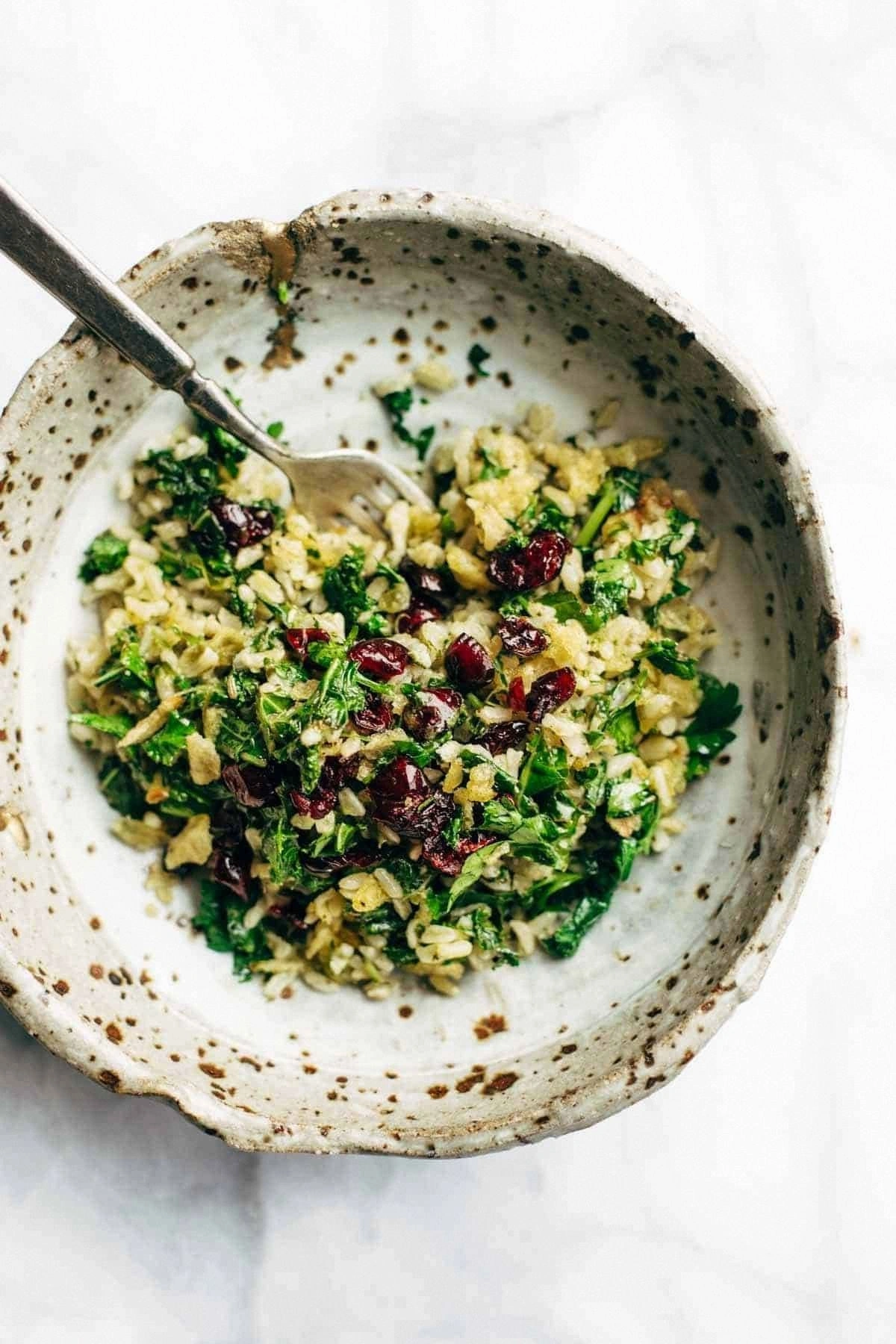
Brown rice provides a nutty backbone, but it must be cooked correctly to avoid that mushy, gummy mess that ruins salads. Rinse the rice well, then simmer it in a 2:1 water‑to‑rice ratio, adding a pinch of salt for seasoning. While the rice cooks, the almonds are toasted in a dry skillet until they turn golden and release a fragrant, nutty scent – that “that sizzle when it hits the pan? Absolute perfection.” Dried cranberries bring a burst of sweet‑tart contrast that balances the savory elements. Skipping the almond toast step is like skipping the chorus of a song; the salad loses its hook.
The Unexpected Star
The splash of warm vegetable broth added just before fluffing the rice is the secret weapon that elevates this dish. It’s a technique borrowed from risotto cooking, where each grain absorbs liquid slowly, becoming glossy and tender. This step is often missed in grain salads, leading to a dry, uninteresting texture. If you’re vegan, use vegetable broth; for extra depth, a dash of low‑sodium chicken broth works wonders. The broth not only adds moisture but also layers a savory umami note that ties the whole dish together.
The Final Flourish
Massaging the kale with a drizzle of olive oil, a pinch of salt, and a little lemon zest is the final flourish that makes this salad sing. The friction of your hands breaks down the cell walls, reducing bitterness and allowing the dressing to penetrate deeper. If you skip this step, you’ll end up with tough, fibrous pieces that chew like old chewing gum. Always use curly kale; its ruffled leaves hold dressing better than flat varieties. Finally, a generous sprinkle of toasted almonds just before serving adds that last crunchy surprise that makes people say “wow.”
Everything's prepped? Good. Let's get into the real action...
The Method — Step by Step
Start by rinsing 1 cup of brown rice under cold water until the water runs clear. This removes excess starch that would otherwise make the rice gummy. Transfer the rice to a saucepan, add 2 ¼ cups of water and a pinch of salt, then bring to a boil over medium‑high heat. Once boiling, reduce the heat to low, cover, and simmer for 20‑25 minutes, or until the water is fully absorbed and the grains are tender. Power transition: This is the moment of truth – the rice should look plump, each grain distinct, not a sticky clump.
- Kitchen Hack: After the rice finishes cooking, remove the pot from heat, fluff with a fork, then drizzle in ¼ cup warm vegetable broth, covering the pot for 2 minutes. This extra moisture makes each grain glossy and velvety.
While the rice cooks, prepare the kale. Remove the thick stems, tear the leaves into bite‑size pieces, and place them in a large mixing bowl. Drizzle 2 tablespoons of olive oil over the kale, sprinkle ½ teaspoon of salt, and add the zest of one lemon. Massage the kale with your hands for 2‑3 minutes until the leaves darken in color and become noticeably softer. You’ll feel the leaves yielding under your fingertips, a sign that the fibers are breaking down and ready to absorb the dressing.
Move to the skillet for the almonds. Add ¼ cup sliced almonds to a dry skillet over medium heat. Stir constantly; after about 2 minutes they’ll turn golden and release a fragrant, nutty aroma. Remove from heat immediately to prevent burning. Let them cool while you finish the dressing – this prevents the almonds from getting soggy.
Now for the lemon‑garlic dressing. In a small bowl, whisk together 2 minced garlic cloves, the juice of one lemon, 2 tablespoons of olive oil, and a pinch of black pepper. The mixture will emulsify into a glossy, slightly thick liquid that coats the back of a spoon. Taste and adjust with a pinch more salt if needed; the dressing should feel bright and slightly sharp, never flat.
- Watch Out: When mixing the hot rice with the dressing, do it while the rice is still warm. If the rice cools completely first, the dressing will slide off instead of being absorbed.
Combine the warm rice with the massaged kale in the large bowl. Pour the lemon‑garlic dressing over the mixture, then toss gently but thoroughly. The warm rice should soak up the dressing like a sponge, while the kale stays glossy and vibrant. Add the toasted almonds and ¼ cup dried cranberries, folding them in just enough to distribute evenly without crushing the berries.
Allow the salad to rest for at least 10 minutes before serving. This resting period lets the flavors meld, the kale further tenderizes, and the rice reaches a perfect harmony with the dressing. While you wait, set the table, pour a glass of crisp white wine, and relish the anticipation. When you finally spoon the salad onto plates, you’ll notice the grains glittering, the kale shimmering, and the almonds providing that delightful crunch. That first bite? It hits the palate like a wave of bright citrus, nutty depth, and earthy comfort all at once.
Finish with an optional garnish: a light drizzle of extra‑virgin olive oil and a sprinkling of extra lemon zest for visual pop. Serve at room temperature for the best texture—if it’s too cold, the kale can become rubbery, and the rice might feel stiff. This salad can be enjoyed straight away, but trust me, it tastes even better after a couple of hours as the flavors continue to marry.
That's it — you did it. But hold on, I've got a few more tricks that'll take this to another level. Ready to turn a great salad into an unforgettable masterpiece? Keep reading.
Insider Tricks for Flawless Results
The Temperature Rule Nobody Follows
Never let your rice sit overnight in the fridge before mixing; cold rice resists absorbing dressing, leaving you with a dry, uneven texture. Instead, keep the rice warm (or at least room temperature) when you combine it with the kale and dressing. This subtle temperature control ensures each grain becomes a tiny vessel for the lemon‑garlic glaze, turning every forkful into a burst of flavor. A friend once tried the “make‑ahead cold rice” shortcut and ended up with a salad that tasted like limp carpet – let’s just say it didn’t win any compliments.
Why Your Nose Knows Best
Trust the aroma of the garlic when it turns golden‑brown in the skillet – that's the point where its flavor sweetens and mellows. If you hear it start to sizzle, keep your eyes peeled; a burnt garlic will dominate the dish with bitterness. While whisking the dressing, take a quick sniff; it should smell vibrant and citrusy, not flat. Your nose is a built‑in quality control system; if something smells off at any stage, adjust salt, acid, or oil before it becomes irreversible.
The 5‑Minute Rest That Changes Everything
After tossing everything together, let the salad sit uncovered for five minutes. This micro‑rest lets the kale’s fibers fully relax after the massage and allows the dressing to seep into the rice. The result is a salad that feels cohesive rather than a collection of separate ingredients. I’ve tried skipping this step during a rushed lunch rush; the final bite was literally “all over the place.”
Almond Toasting Timing
Almonds should be toasted just minutes before you finish the salad, not days ahead. Freshly toasted nuts release volatile oils that add a bright, toasty note; once they sit too long, they absorb moisture and lose their crunch. If you need to prep ahead, keep the toasted almonds in an airtight container with a slice of bread to maintain crispness.
The Lemon Zest Boost
A secret boost is to zest the lemon over the kale before massaging. The tiny oil droplets from the zest cling to the kale’s surface, giving each leaf a burst of citrus perfume that survives the dressing. This little trick elevates the salad from “tasty” to “astonishingly aromatic.”
Creative Twists and Variations
This recipe is a playground. Here are some of my favorite ways to switch things up:
Mediterranean Sunrise
Swap the dried cranberries for chopped Kalamata olives and add a generous crumble of feta cheese. The salty brine of olives and the creamy tang of feta transform the salad into a sun‑kissed Mediterranean side, perfect alongside grilled fish.
Spicy Asian Fusion
Replace the lemon juice with rice‑vinegar and add a teaspoon of toasted sesame oil to the dressing. Toss in shredded carrots, sliced snap peas, and a drizzle of sriracha for a gentle heat that awakens the palate.
Autumn Harvest
Introduce roasted butternut squash cubes and a handful of pumpkin seeds. The sweet, caramelized squash pairs beautifully with the bitter kale, and the seeds add a crunchy, earthy finish that screams fall.
Protein Power
Add a cup of cooked, shredded chicken breast or a can of drained chickpeas for a heartier, protein‑packed version. This turns the salad into a complete meal that fuels post‑workout recovery.
Herbaceous Green
Mix in fresh chopped basil, mint, or parsley just before serving. The herbaceous burst adds a fresh green note that complements the lemon and garlic beautifully, making the salad feel garden‑freshed.
Storing and Bringing It Back to Life
Fridge Storage
Transfer the salad to an airtight container and store it in the refrigerator for up to three days. Keep the dressing separate if you plan to serve it after two days; this prevents the kale from becoming soggy. Before serving, give it a quick toss with a fresh drizzle of olive oil and a squeeze of lemon.
Freezer Friendly
While leafy greens don’t love the freezer, you can freeze the cooked brown rice and the toasted almonds separately. Store the rice in a zip‑top bag (flatten for even thawing) and the almonds in a sealed container. When you’re ready to assemble, thaw the rice, re‑heat briefly, and combine with fresh kale and dressing.
Best Reheating Method
To revive the salad, place the rice in a microwave‑safe bowl, add a splash of water or broth, and cover loosely. Heat for 45‑60 seconds, then fluff with a fork. Toss the warmed rice with the fresh kale, dressing, and almonds; the brief heat brings the flavors back to life without wilting the greens.