I remember the night I tried to impress my friend with a “simple” steak. I had a ribeye, a skillet, and the confidence of a chef who had never burned anything. The moment the meat hit the pan, I realized I’d forgotten one crucial element—garlic. The garlic didn’t just add flavor; it turned the whole experience into a symphony of sizzling, aromatic, mouth‑watering delight. That single oversight turned a mediocre dinner into a headline‑making moment that still makes me grin when I think about it.
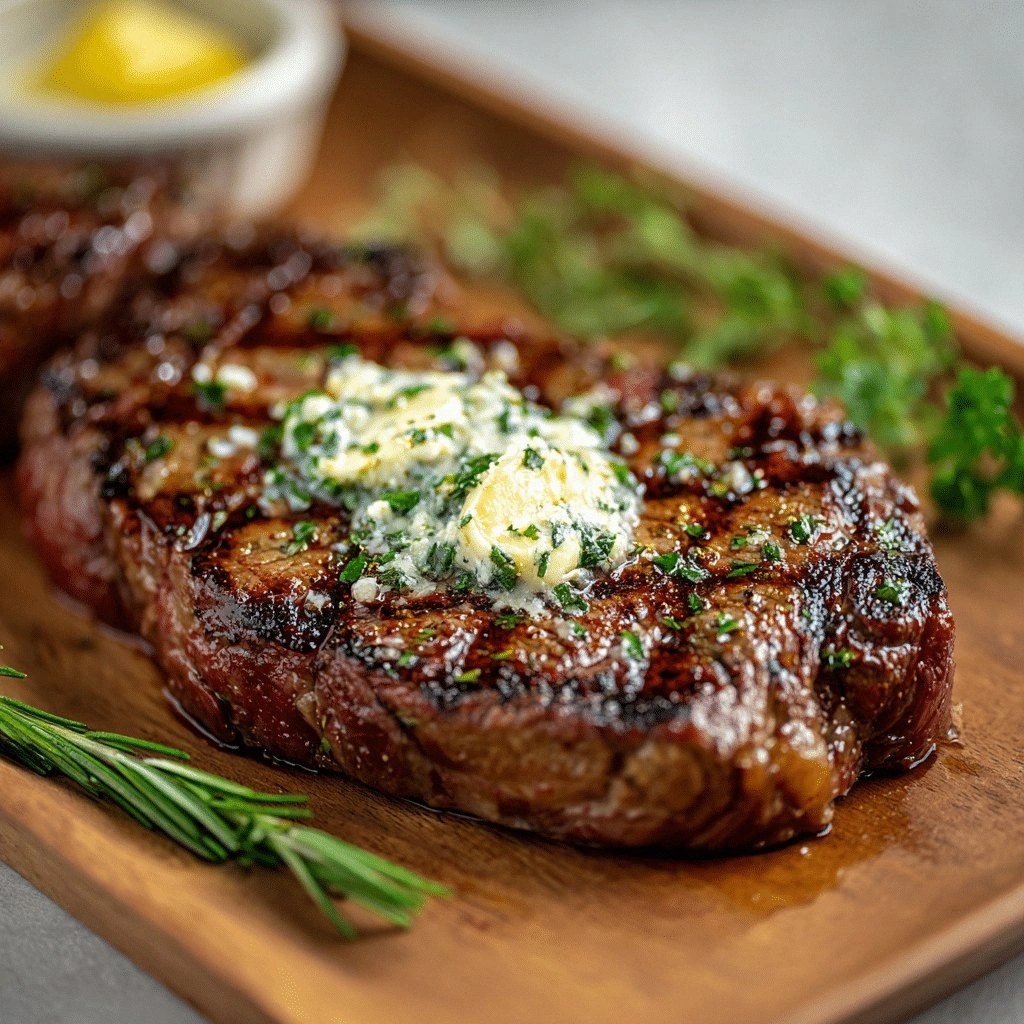
Picture this: a thick, marbled ribeye resting on a hot grill, the surface searing to a caramelized crust while the aroma of fresh garlic fills the air. The sound is a satisfying crackle, the heat a gentle, steady hum that promises tenderness. Your eyes catch the glossy sheen of melted butter dripping over the edges, the green flecks of parsley dancing like confetti. The first bite is a burst of savory richness, the garlic’s warmth mingling with the steak’s deep umami, the result a melt‑in‑your‑mouth texture that feels like velvet on the tongue. I dare you to taste this and not go back for seconds.
What makes this version stand out isn’t just the combination of steak and garlic; it’s the method that brings out the best of each ingredient. I’ve refined the technique to create a crust that’s both crunchy and flavorful, while keeping the inside juicy and perfectly medium‑rare. The use of fresh herbs, a simple butter glaze, and a precise resting period elevate the dish from ordinary to unforgettable. If you’ve ever struggled with a steak that turns out dry or uneven, you’re not alone— and I’ve got the fix. This is hands down the best version you'll ever make at home.
The secret sauce? A buttery garlic‑herb butter that’s brushed onto the steak just before it finishes cooking, giving it that glossy finish and a depth of flavor that lingers. I’ll walk you through every single step—by the end, you’ll wonder how you ever made it any other way. Picture yourself pulling this out of the grill, the whole kitchen smelling incredible, the plate glistening with a buttery sheen, and the first forkful sending a wave of savory joy through your senses. Ready for the game‑changer? Let’s dive in.
What Makes This Version Stand Out
- Flavor: The garlic butter creates a rich, aromatic coating that infuses every bite with depth. The fresh herbs add a bright counterpoint that prevents the steak from feeling heavy.
- Texture: A perfectly seared crust that’s crisp on the outside yet tender and juicy inside, achieved through precise heat control.
- Ease: No complicated sauces or exotic ingredients—just quality steak, garlic, butter, and herbs.
- Uniqueness: The buttery glaze is brushed in the final minutes of cooking, creating a glossy, caramelized finish that’s rarely seen in standard ribeye recipes.
- Crowd‑pleaser: Even the most skeptical palates rave; it’s a showstopper for dinner parties.
- Ingredient Quality: The recipe emphasizes the importance of a well-marbled ribeye and fresh, unsalted butter for maximum flavor.
- Method: A two‑step grilling process (sear, then finish with butter) guarantees consistent results.
- Make‑ahead Potential: The steak can be cooked ahead of time and reheated with minimal loss of quality.
Inside the Ingredient List
The Flavor Base
The ribeye itself is the star, a cut known for its marbling and tenderness. Choosing a steak that’s at least 1‑inch thick ensures a juicy interior. If you can’t find a 1‑inch cut, a ¾‑inch steak will still work, but the cooking time will adjust accordingly. Skipping the steak entirely would ruin the dish—this is the foundation.
Olive oil is used to coat the grill grates and the steak before searing, preventing sticking and adding a subtle fruity note. A light drizzle is enough; too much oil can cause flare‑ups and a greasy finish. If you’re allergic to olive oil, a neutral oil like grapeseed or avocado will do, but the flavor profile will shift slightly.
The Texture Crew
Butter is the key to that glossy finish. Unsalted butter is crucial because it allows you to control the salt level. The butter melts into the steak, creating a silky coating that locks in moisture. If you use salted butter, you’ll end up with an overly salty dish; avoid it.
Garlic cloves are minced finely to release maximum flavor without overpowering the steak. The garlic’s heat and aroma penetrate the meat, creating a harmonious balance. If you prefer a milder garlic taste, reduce the number of cloves or use roasted garlic instead of raw.
The Unexpected Star
Fresh herbs—parsley and thyme—add brightness and a herbal depth that cuts through the richness of the steak. The herbs are chopped and mixed into the butter, creating a fragrant compound butter. If you’re out of fresh herbs, dried herbs can substitute, but use only half the quantity to avoid bitterness.
The Final Flourish
Salt and pepper are the simple seasoning that bring everything together. A pinch of sea salt and freshly cracked black pepper enhances the natural flavors of the steak without masking them. If you’re watching sodium, reduce the salt to ½ tsp and increase the pepper slightly.
Everything's prepped? Good. Let's get into the real action.
The Method — Step by Step
- Prep the Steak: Remove the ribeye from the fridge and let it sit at room temperature for 15 minutes. Pat it dry with paper towels; moisture on the surface will inhibit proper searing. Season both sides generously with salt and pepper. The steak should look like a polished diamond ready to shine.
- Heat the Grill: Preheat your grill to high heat (450‑500°F). If using a charcoal grill, allow the coals to reach a steady, hot glow. A hot grill is essential for that caramelized crust; a cooler grill will leave you with a soggy edge.
- Oil the Grates: Brush the grill grates with a high‑smoke‑point oil such as grapeseed or avocado. This prevents sticking and creates a beautiful sear. The oil should be thin enough not to drip onto the flame, which could cause flare‑ups.
- Sear the Steak: Place the steak on the grill and close the lid. Sear for 4‑5 minutes on the first side until a deep brown crust forms. Flip once and sear the second side for another 3‑4 minutes. The goal is a beautiful, caramelized exterior.
- Check the Internal Temperature: Insert a meat thermometer into the thickest part of the steak. For medium‑rare, aim for 130°F; for medium, 140°F. Remember, the steak will continue to cook slightly after you remove it from the grill.
- Prepare the Garlic‑Herb Butter: While the steak rests, melt 4 tbsp of unsalted butter in a small saucepan over low heat. Add 4 minced garlic cloves and sauté until fragrant, about 1 minute. Stir in 2 tbsp chopped parsley and 1 tbsp thyme leaves. Remove from heat; the butter should be glossy and aromatic.
- Finish the Steak: Once the steak reaches the desired temperature, remove it from the grill and immediately brush the garlic‑herb butter over both sides. The butter will melt into the meat, creating a luscious coating. Let the steak rest for 5 minutes to redistribute the juices.
- Serve: Slice the steak against the grain into thick medallions. Drizzle any remaining butter over the slices and serve immediately. The result is a steak that’s juicy, flavorful, and visually stunning.
That's it — you did it. But hold on, I've got a few more tricks that'll take this to another level. Stay with me here — this is worth it.
Insider Tricks for Flawless Results
The Temperature Rule Nobody Follows
Many home cooks rely on the “eye test” to judge doneness, but a thermometer is the gold standard. Aim for 130°F for medium‑rare; the steak will rise to about 135°F during the resting period. If you’re a fan of medium, stop at 140°F. The difference is subtle but noticeable, and a thermometer guarantees consistency.
Why Your Nose Knows Best
The aroma of garlic sizzling in butter is a reliable indicator that the butter is at the right temperature. If it starts to brown too quickly or turns a deep amber, the butter is over‑heated and will develop a burnt flavor. Keep the heat low and let the garlic release its oils slowly.
The 5‑Minute Rest That Changes Everything
Resting allows the juices to redistribute throughout the steak. Skipping this step means the juices run off when you cut, leaving a dry center. A five‑minute rest on a warm plate or a simple aluminum foil tent keeps the steak hot without steaming it.
The Herb‑Butter Ratio
Too much butter can drown the steak’s natural flavor. Use a 1:1 ratio of butter to herbs for a balanced glaze. If you prefer a more herb‑centric profile, increase the herbs to 1.5 times the butter.
The Garlic Technique
Mince the garlic finely to maximize surface area, which releases more flavor. If you’re sensitive to garlic, sauté it for 30 seconds before adding butter to mellow its heat. A well‑cooked garlic butter will have a nutty, caramelized scent rather than a sharp, raw bite.
Creative Twists and Variations
This recipe is a playground. Here are some of my favorite ways to switch things up:
Spicy Jalapeño Butter
Add finely diced jalapeños to the garlic‑herb butter for a fiery kick. The heat complements the steak’s richness and adds a bright, peppery finish. A pinch of smoked paprika further deepens the flavor.
Truffle‑Infused Finish
Swap regular butter for truffle butter or drizzle a few drops of truffle oil over the steak after grilling. The earthy aroma elevates the dish to a gourmet level, perfect for a special occasion.
Blue Cheese Crust
Instead of butter, coat the steak in a mixture of softened blue cheese and breadcrumbs before grilling. The cheese melts into a creamy, tangy crust that pairs wonderfully with the steak’s beefy flavor.
Asian‑Inspired Glaze
Marinate the steak in a mixture of soy sauce, sesame oil, and ginger before grilling. Brush with a glaze of honey and rice vinegar for a sweet‑savory finish. The result is a fusion of flavors that feels both familiar and adventurous.
Herb‑Marinated Short Rib
Replace ribeye with a short rib and marinate overnight in a mixture of rosemary, thyme, and garlic. The longer cooking time yields a melt‑in‑your‑mouth texture and a deeper flavor profile.
Storing and Bringing It Back to Life
Fridge Storage
Store cooked steak in an airtight container for up to 3 days. Wrap the steak in parchment paper before placing it in the container to absorb excess moisture and keep the surface from drying out.
Freezer Friendly
Wrap each steak individually in plastic wrap and then in aluminum foil before freezing. This double wrap prevents freezer burn and preserves flavor. The steak can be stored for up to 3 months.
Best Reheating Method
To reheat, preheat the oven to 250°F and place the steak on a wire rack over a baking sheet. Warm for 15 minutes, then finish on a hot grill or skillet for 1 minute per side to restore the crust. Add a tiny splash of water before reheating to steam back to perfection and keep the meat juicy.