It started with a sizzling panic in my kitchen. I had just opened a can of honey, thinking I’d make a quick glaze for some chicken, only to realize the bottle was the spicy variety my brother keeps in the pantry. The honey was burning in the pan, the air thick with a caramelized scent that made my eyes water, and I was left with a charred mess on the stove. That moment of culinary chaos became the spark that lit the fire for a dish I’d never dared to dream of before. The result? A perfectly crisp, sweet‑spicy, feta‑laden chicken that turned a kitchen disaster into a triumph.
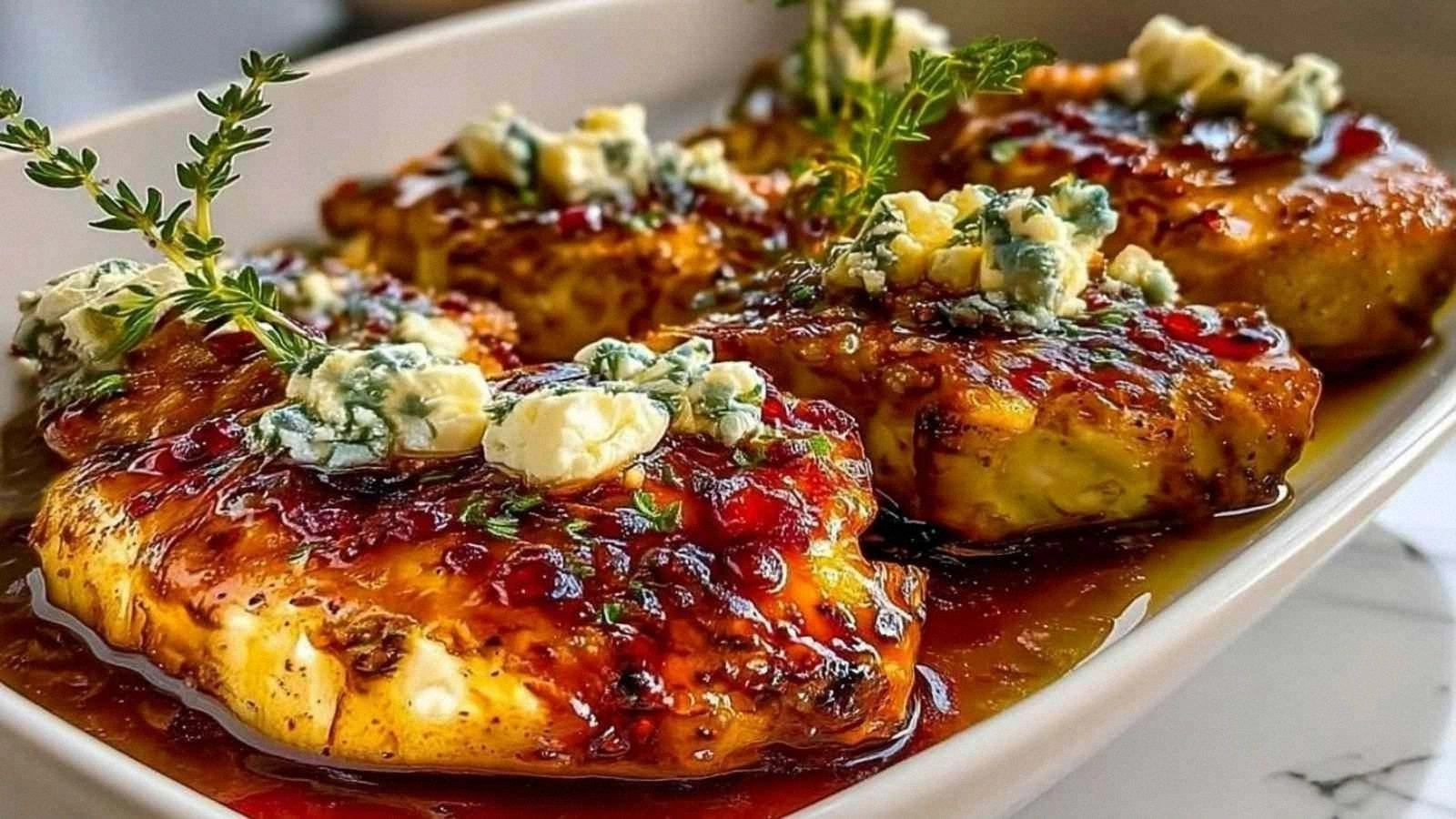
Picture the first bite: a juicy, tender breast that’s still warm, coated in a glossy hot honey glaze that shimmers like liquid amber. The honey’s heat lingers, dancing on your tongue like a gentle fire, while the smoked paprika whispers a smoky depth that lingers long after the last crumb. The feta, crumbled into the sauce, adds a salty, tangy bite that cuts through the sweetness, creating a flavor contrast that feels like a well‑balanced duet. The butter, melted into the glaze, gives the coating a buttery sheen that makes the edges crisp and golden, a texture that crackles when you bite. Every mouthful is a symphony of sweet, savory, and smoky notes that play in perfect harmony.
What makes this version stand out is that it doesn’t rely on a bland, generic sauce. Instead, it marries the bright heat of hot honey with the earthy bite of smoked paprika and the briny tang of feta, all brought together by a buttery finish that locks in moisture. The result is a dish that feels like a gourmet experience, yet is made with pantry staples that you probably already have. The glaze is so thick and flavorful that it practically makes the chicken the star, rather than the sauce being a sidekick. It’s the kind of dish that turns an ordinary dinner into a memorable event, and it does so with minimal fuss.
I’ll be honest—when I first tried this, I was skeptical about the idea of honey and feta together. The first taste was a revelation: the honey’s sweetness was balanced by the feta’s sharpness, and the smoked paprika added a smoky depth that made the dish feel elevated. The next step is to let the glaze caramelize just enough to create a crunchy crust without burning it, a delicate balance that I’ll show you in detail. Let me walk you through every single step—by the end, you’ll wonder how you ever made it any other way.
What Makes This Version Stand Out
- Flavor Fusion: The marriage of hot honey and feta creates a sweet‑savory profile that’s both comforting and adventurous. The honey’s subtle heat is tempered by the feta’s briny bite, while smoked paprika adds a smoky undertone that deepens the overall taste.
- Texture Triumph: The glaze turns the chicken’s surface into a crisp, caramelized crust that cracks delightfully with each bite, while the interior remains juicy and tender. The buttery finish seals in moisture, giving the chicken a silky mouthfeel.
- Ingredient Simplicity: You need only a handful of pantry staples—no exotic or hard‑to‑find items. This keeps prep time short and the recipe approachable for anyone, even those new to cooking.
- Visual Appeal: The golden glaze with flecks of feta and paprika makes the dish look as good as it tastes. The contrast of colors invites you to dig in before the aroma even reaches your nose.
- Versatile Crowd‑Pleaser: Whether it’s a weeknight dinner or a family gathering, the dish scales easily and keeps everyone satisfied. The bold flavors are sure to become a new favorite at your table.
- Time‑Efficient: From prep to plate, the entire process takes less than 45 minutes, making it a perfect choice for busy evenings without sacrificing flavor.
Inside the Ingredient List
The Flavor Base
Hot Honey: This isn’t your ordinary sweet honey; it carries a subtle heat that lingers on the palate. It’s the star that brings the glaze its signature sweet‑spicy character. If you can’t find hot honey, mix regular honey with a pinch of cayenne pepper, but be sure to taste as you go. A little goes a long way, so start with three tablespoons and adjust to your heat preference.
Smoked Paprika: This spice adds a smoky depth that feels like a campfire in every bite. It also gives the glaze a warm, earthy undertone that balances the honey’s sweetness. If you don’t have smoked paprika, regular paprika works, but the smoky flavor will be missing.
Garlic Powder: A dry, convenient way to infuse the chicken with a subtle garlic backdrop. It’s more forgiving than fresh garlic, which can burn quickly. If you prefer fresh garlic, mince one clove and add it to the pan during the last minute of cooking.
The Texture Crew
Olive Oil: This oil provides the base for the sear, creating a golden crust that locks in juices. It also carries the flavors of the spices and honey, allowing them to coat the chicken evenly. Use a high‑smoke‑point oil if you’re concerned about burning the glaze.
Unsalted Butter: Butter adds richness and helps the glaze develop a silky sheen. It also prevents the honey from sticking to the pan, making cleanup easier. If you’re vegan, try a plant‑based butter substitute.
The Unexpected Star
Feta Cheese: Crumbled feta adds a briny, tangy contrast that cuts through the sweetness of the honey. It also contributes a creamy texture that melts into the glaze. For a milder flavor, use a reduced‑salt feta, but keep the salt in the final seasoning.
Fresh Thyme or Rosemary: These herbs bring an aromatic lift that brightens the dish. Thyme offers a subtle earthiness, while rosemary adds a piney note. If you’re out of fresh herbs, dried thyme is a suitable substitute, but use half the amount.
The Final Flourish
Salt and Pepper: Seasoning is crucial for balancing flavors. Salt enhances the sweetness of the honey, while pepper adds a gentle heat. Taste the sauce before you finish cooking and adjust seasoning accordingly.
Optional Add‑Ins: A squeeze of fresh lemon juice can brighten the dish, and a sprinkle of chopped parsley adds a pop of color. If you’re feeling adventurous, drizzle a splash of balsamic reduction over the finished chicken for a sweet‑acidity contrast.
Everything's prepped? Good. Let’s get into the real action.
The Method — Step by Step
- Begin by patting the chicken breasts dry with paper towels; this step ensures a crisp sear. Season both sides generously with salt and pepper, letting the flavors penetrate the meat. If you prefer a milder profile, reduce the salt slightly. This first step sets the foundation for the glaze to adhere properly.
- Heat the olive oil in a large skillet over medium‑high heat. Once the oil shimmers, add the chicken breasts skin‑side down if they have skin. Watch the sizzle—this is the first hint that the pan is hot enough. Flip after 4–5 minutes, or until the underside is golden brown and releases easily from the pan.
- Add the garlic powder and smoked paprika to the pan, letting them bloom for 30 seconds before adding the chicken back on top. This creates a fragrant base that infuses the meat with a smoky aroma. Stir gently to coat the chicken evenly; you’re building the flavor foundation here.
- In a small bowl, whisk together the hot honey, unsalted butter, and a pinch of fresh thyme. Pour this mixture over the chicken, ensuring the glaze coats every surface. The butter will help the glaze set into a glossy, caramelized coating. Keep the heat at medium to avoid scorching the honey.
- Reduce the heat to low and let the chicken simmer in the glaze for about 8 minutes, turning once. The glaze should thicken slightly, coating the chicken in a shiny, caramelized layer. The feta will begin to melt into the sauce, creating pockets of creamy tang.
- Remove the chicken from the pan and let it rest on a cutting board for 5 minutes. This resting period allows the juices to redistribute, ensuring every bite is succulent. While it rests, spoon the remaining glaze over the top for extra flavor.
- Slice the chicken into medallions, arrange on a platter, and garnish with the remaining feta and a sprinkle of fresh thyme or rosemary. The final plating showcases the contrast between the golden glaze and the pale feta. Serve immediately to enjoy the crispy edges at their peak.
That’s it — you did it. But hold on, I've got a few more tricks that'll take this to another level.
Insider Tricks for Flawless Results
The Temperature Rule Nobody Follows
Most cooks assume high heat is always best, but for this glaze, a moderate flame is key. If the heat is too high, the honey will burn and give a bitter taste. I’ve learned that a medium‑low setting lets the glaze caramelize slowly, developing a deeper sweetness. The chicken’s interior stays juicy, and the crust remains crisp.
Why Your Nose Knows Best
The aroma is your best indicator of doneness. When the glaze starts to bubble and emits a warm, sweet scent, it’s almost ready. The chicken should emit a savory, smoky perfume that signals the spices are fully integrated. If you’re unsure, taste a small piece; it should be juicy and coated with the glaze.
The 5-Minute Rest That Changes Everything
Letting the chicken rest after cooking is often overlooked. During this time, the juices redistribute, preventing the meat from drying out when you cut into it. A short 5‑minute rest is enough to lock in moisture while still keeping the crust crisp. I’ve seen people skip it, only to find their chicken falls apart.
The Butter Boost
Adding butter to the glaze not only gives richness but also prevents the honey from sticking to the pan. The fat helps the glaze set into a glossy sheen, and it creates a silky mouthfeel. If you’re watching calories, you can reduce the butter by a tablespoon; the glaze will still be luscious.
The Final Feta Finish
Crumbled feta should be added at the end of cooking, not at the start. Early addition can cause the feta to melt into the glaze and lose its distinct bite. By adding it just before serving, you preserve its texture and saltiness, giving the dish a bright, contrasting finish.
Creative Twists and Variations
This recipe is a playground. Here are some of my favorite ways to switch things up:
Mediterranean Medley
Swap the feta for crumbled goat cheese and add sun‑dried tomatoes to the glaze. The goat cheese offers a tangy depth, while the tomatoes provide a sweet, chewy bite. Serve over a bed of couscous to keep the Mediterranean vibe.
Spicy Thai Twist
Replace smoked paprika with Thai chili flakes and add a splash of fish sauce to the glaze. The fish sauce brings umami, while the chili adds a fiery kick. Finish with fresh cilantro and lime wedges for a bright, tropical finish.
Herb‑Infused Garden
Use a mix of fresh basil, oregano, and parsley in place of thyme or rosemary. The herbs add a layered, aromatic profile that complements the honey’s sweetness. Pair with grilled zucchini for a colorful, veggie‑rich plate.
Sweet & Smoky BBQ
Introduce a tablespoon of BBQ sauce into the glaze for a smoky, caramelized finish. The BBQ sauce adds a subtle sweetness and depth that pairs well with the feta. Serve over a baked sweet potato for a hearty, comforting meal.
Vegan Version
Omit the chicken and replace it with thick slices of portobello mushrooms. Use vegan butter and a plant‑based feta substitute. The mushrooms absorb the glaze beautifully, creating a meaty texture without the animal product.
Storing and Bringing It Back to Life
Fridge Storage
Store leftover chicken in an airtight container in the refrigerator for up to 3 days. The glaze may thicken slightly, but it will still taste great. When reheating, add a splash of water or broth to loosen the glaze and keep the chicken moist.
Freezer Friendly
Freeze the chicken in a freezer‑safe bag or container for up to 2 months. Thaw overnight in the refrigerator before reheating. The texture remains firm, and the glaze will re‑bloom when heated.
Best Reheating Method
The best way to reheat is in a skillet over medium heat, turning occasionally until warmed through. Add a teaspoon of water or a splash of chicken broth to create steam, which prevents the glaze from drying out. Finish with a drizzle of fresh lemon juice to brighten the flavor.