Picture this: you’re standing in a cramped kitchen, a stack of empty take‑out containers on the counter, and a craving for something that feels like a hug in a skillet. I was in that exact spot last week, scrolling through a sea of bland pork chop recipes, when a friend dared me to “make the most unforgettable pork chop ever.” That dare sparked a midnight experiment that ended up being a culinary revelation. I discovered a method that turns a simple cut of pork into a juicy masterpiece with a crust that crackles like freshly toasted bread, and a tender center that melts in your mouth. The aroma that fills the kitchen? A heady blend of garlic, thyme, rosemary, and a hint of citrus that makes the whole house feel like a cozy, fragrant sanctuary.
I’m not just talking about any pork chop recipe. This version is a game‑changer. The secret lies in a few deceptively simple steps: a quick flour dusting, a high‑heat sear, a buttery herb glaze, and a final resting period that locks in flavor. Every element—from the seasoning to the cooking method—has been fine‑tuned to create a harmony of textures and tastes. The result is a pork chop that’s crispy on the outside, succulent on the inside, and bursting with aromatics that dance on your palate. It’s the kind of dish that makes your guests ask, “What’s your secret?” and you can proudly say, “Just a few tricks and a lot of love.”
I dare you to taste this and not go back for seconds. The flavor profile is layered: a savory crust, a subtle herbaceous undertone, a bright citrus lift, and a sweet whisper from the honey glaze. The pork’s natural sweetness is amplified by the caramelization that happens when the pan hits that perfect temperature. The result is a dish that feels indulgent yet comforting, making it perfect for a quick weekday dinner or an impressive weekend meal. If you’ve ever struggled with pork chops that come out dry or unevenly cooked, you’re not alone—and I’ve got the fix. Let me walk you through every single step — by the end, you’ll wonder how you ever made it any other way.
What Makes This Version Stand Out
- Taste: The blend of fresh herbs, lemon zest, and a touch of honey creates a complex flavor profile that feels both savory and subtly sweet, elevating the pork’s natural taste.
- Texture: A crisp, golden crust forms through a high‑heat sear, while the interior remains moist and tender thanks to a quick resting period.
- Ease: The method uses only a handful of pantry staples and a few fresh ingredients, making it accessible for even novice cooks.
- Uniqueness: The buttery herb glaze, combined with a splash of chicken broth and a dash of Dijon mustard, sets this recipe apart from the ordinary.
- Crowd‑Pleaser: Its bold flavors and satisfying texture make it a hit at gatherings, leaving guests asking for seconds.
- Ingredient Quality: Using bone‑in pork chops and fresh herbs ensures depth of flavor that pre‑marinated or pre‑seasoned cuts can’t match.
- Cooking Method: The pan‑searing technique locks in juices, while the finishing glaze adds a glossy, appetizing finish.
- Make‑Ahead Potential: The chops can be prepared ahead, refrigerated, and finished just before serving, making it a convenient option for busy evenings.
Inside the Ingredient List
The Flavor Base
At the heart of this recipe lies a simple yet powerful seasoning blend. The kosher salt and freshly ground black pepper are the first layers of flavor, enhancing the pork’s natural taste. Salt draws out moisture, creating a juicy interior, while pepper adds a subtle heat that balances the sweetness of the glaze. Skipping this step will leave the chops bland and under‑seasoned.
The Texture Crew
All‑purpose flour is used to dust the pork chops before searing. The flour creates a thin, golden crust that crisps up beautifully when the pan is hot. If you skip the flour, the chops will still cook, but the crust will be less pronounced, and the pan may stick. For a gluten‑free option, try almond flour or cornstarch, but keep the coating light to avoid a heavy texture.
The Unexpected Star
The lemon zest and juice might seem like a bold choice for pork, but they add a bright, citrusy lift that cuts through the richness. Lemon zest is packed with essential oils that give a subtle aromatic punch, while the juice adds a gentle acidity that balances the savory glaze. If you’re not a fan of citrus, you can substitute a splash of white wine or apple cider vinegar for a different bright note.
The Final Flourish
Fresh herbs—thyme, rosemary, and parsley—infuse the dish with an earthy aroma. The thyme and rosemary are added during searing, releasing their oils into the pan, while the parsley is a garnish that adds a pop of color and freshness. If fresh herbs are out of season, dried herbs can be used, but use only half the amount to avoid overpowering the dish.
Everything's prepped? Good. Let's get into the real action...
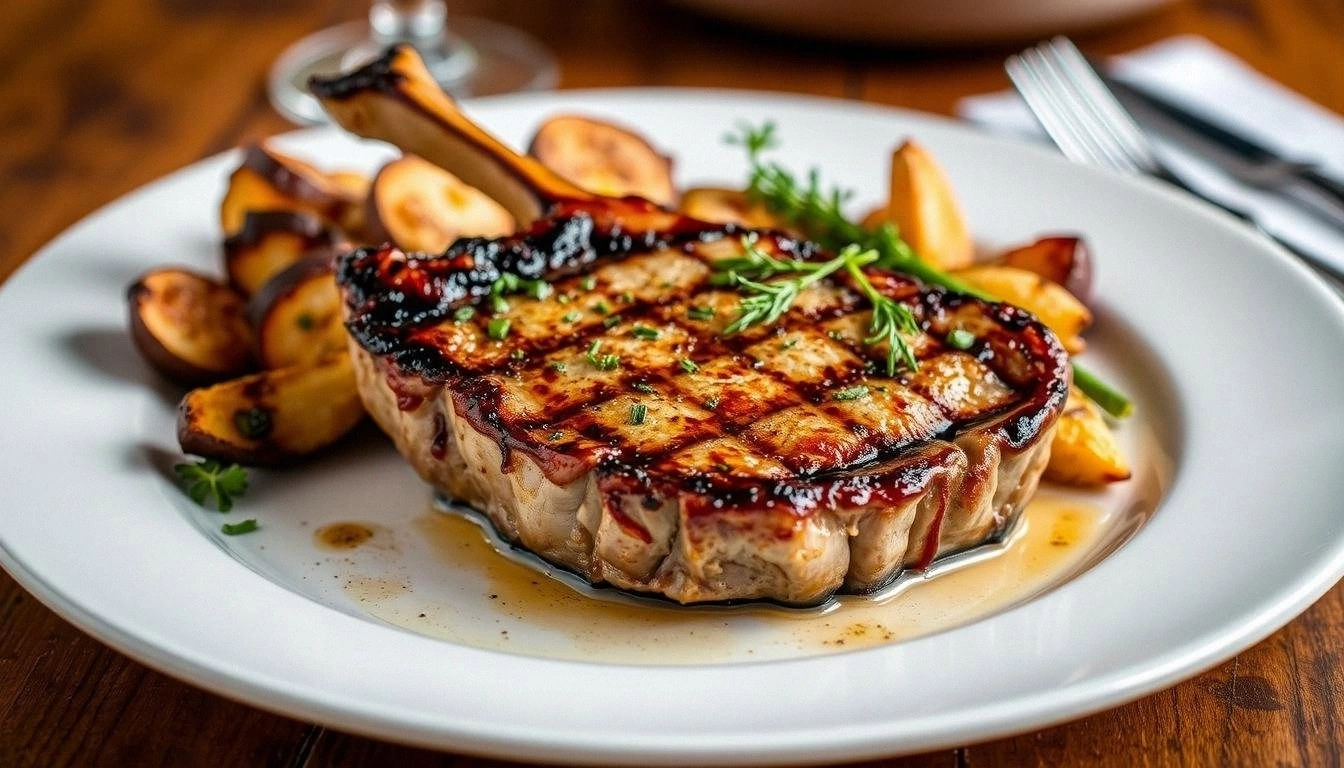
The Method — Step by Step
- Pat the pork chops dry with paper towels. This step is critical; moisture on the surface prevents a proper crust. Season both sides generously with salt and pepper, letting the seasoning adhere for about 10 minutes. The rest of the ingredients can now be gathered.
- Lightly dredge each chop in flour, shaking off any excess. The flour will form a thin crust when the chops hit the pan. Don’t worry about a thick coating—just a light dusting is enough to create that golden sear.
- Heat a large skillet over medium‑high heat and add olive oil. Once the oil shimmers, place the chops in the pan. You should hear a satisfying sizzle—this is the sound of flavor locking in. Cook for 4–5 minutes on the first side until a deep golden crust forms.
- Flip the chops and add the butter, minced garlic, thyme, rosemary, lemon zest, and a splash of chicken broth to the pan. The butter melts into a glossy sauce that coats the meat, while the herbs release their oils. The broth prevents the pan from scorching and adds depth to the glaze.
- Using a spoon, baste the chops with the melted butter and herb mixture for about 3 minutes. This step locks in juices and infuses the meat with aromatics. Watch the glaze thicken slightly—when it coats the back of a spoon, you’re ready to finish.
- Transfer the skillet to a preheated oven at 400°F (200°C) for 5–7 minutes, or until the internal temperature reaches 145°F (63°C). This finishing step ensures the chops are cooked through while preserving moisture.
- Remove the chops from the oven and let them rest on a cutting board for 5 minutes. The rest period allows the juices to redistribute, resulting in a more succulent bite. While resting, spoon the remaining glaze over the chops for an extra burst of flavor.
- Garnish with chopped parsley and a squeeze of fresh lemon juice before serving. The parsley adds a fresh, herbal note, and the lemon juice brightens the dish, creating a perfect balance of savory, sweet, and citrusy.
That's it — you did it. But hold on, I've got a few more tricks that'll take this to another level. Keep reading for insider tips that will elevate your pork chops from great to unforgettable.
Insider Tricks for Flawless Results
The Temperature Rule Nobody Follows
Many cooks think searing at the highest heat possible is always best, but that can lead to a burnt crust and under‑cooked center. Instead, aim for a medium‑high setting that allows the pork to brown evenly without scorching the butter. A quick test: drop a small pinch of water into the pan; if it sizzles and evaporates instantly, you’re at the right temperature. This approach gives you a beautifully caramelized exterior while keeping the interior juicy.
Why Your Nose Knows Best
As the chops cook, the aroma will shift from raw pork to a nutty, buttery scent. This is your cue that the crust is forming. Trust your nose: when the scent becomes rich and slightly caramelized, it’s time to flip. If you’re still smelling raw meat, give it a few more minutes before turning.
The 5‑Minute Rest That Changes Everything
Resting the pork chops after cooking is often overlooked, yet it’s essential for maximum juiciness. During this period, the muscle fibers relax, allowing the juices to redistribute throughout the meat. Skipping this step results in a dry bite that’s hard to swallow. Even a quick 5‑minute rest makes a noticeable difference.
The Butter‑Herb Balance
Too much butter can overwhelm the pork’s natural flavor, while too little will leave the crust dry. The key is to use just enough butter to create a glossy glaze—about 3 tablespoons for four chops. If you’re watching calories, you can replace half the butter with extra olive oil; the result will still be delicious.
The Finish‑in‑Oven Trick
Finishing the chops in the oven after searing ensures even cooking without over‑browning. The oven’s steady heat gently brings the interior to the target temperature. If you prefer a crispier crust, give the chops an extra minute or two at 425°F (220°C) before checking the temperature.
The Quick‑Check Test
A reliable way to check doneness without a thermometer is the touch test. Gently press the thickest part of the chop; if it feels slightly springy but not too soft, it’s ready. This method works best when you’ve practiced a few times, giving you a quick visual and tactile cue.
Creative Twists and Variations
This recipe is a playground. Here are some of my favorite ways to switch things up:
Smoky Chipotle Glaze
Swap the honey for chipotle‑infused honey or a spoonful of adobo sauce. The smoky heat pairs beautifully with the pork, creating a bold, spicy finish. It’s a crowd‑pleaser for those who love a kick.
Herb‑Infused Balsamic Reduction
Replace the chicken broth with a splash of balsamic vinegar and let it reduce for a few minutes before adding the butter. The tangy sweetness from the balsamic adds depth, while the herbs maintain their aromatic profile.
Citrus‑Marinated Pork
Marinate the chops in a mixture of orange juice, lime zest, and a pinch of cumin for 30 minutes before cooking. The citrus marination tenderizes the meat and imparts a bright, refreshing flavor that works wonderfully with the herb glaze.
Apple‑Cider Brine
Brine the chops in apple‑cider vinegar, water, and a handful of sugar for an hour. This simple step adds moisture and a subtle sweetness, enhancing the pork’s natural richness.
Garlic‑Rosemary Butter
Melt butter with extra minced garlic and rosemary before adding it to the pan. The butter becomes a fragrant, savory sauce that coats the pork and elevates the overall flavor profile.
Pineapple‑Glazed Pork
Finish the chops with a splash of pineapple juice and a drizzle of soy sauce. The tropical sweetness balances the savory herbs, creating a dish that feels like a vacation.
Storing and Bringing It Back to Life
Fridge Storage
Cool the cooked pork chops to room temperature, then place them in an airtight container or a resealable plastic bag. Store in the refrigerator for up to 3 days. The glaze may thicken slightly, but it will reheat beautifully.
Freezer Friendly
Wrap each chop individually in plastic wrap and then place them in a freezer bag. Label with the date and freeze for up to 3 months. Thaw overnight in the refrigerator before reheating.
Best Reheating Method
Reheat in a preheated oven at 350°F (175°C) for 10–12 minutes, or until warmed through. For a crispier crust, finish with a quick broil for 1–2 minutes. Before reheating, splash a tiny amount of water or broth to keep the pork moist; this steams it back to perfection.