I remember the night the kitchen turned into a battlefield. I had just bought a pack of fresh Irish bangers from the local butcher, and my friends had dared me to whip up a comforting dish that could rival the hearty stew I had tasted in Dublin. The moment I sliced the first sausage, the aroma hit me like a warm hug, but the chaos followed: the skillet was too hot, the onions blistered into blackened crumbs, and the potatoes slipped into a soggy mash that looked more like a sad puddle than a creamy delight. I stared at the mess, feeling the sting of embarrassment, and thought, “If I can’t master this, who will?” That night, I vowed to turn the disaster into a triumph, and the result has become my go-to recipe for cozy evenings and unexpected guests.
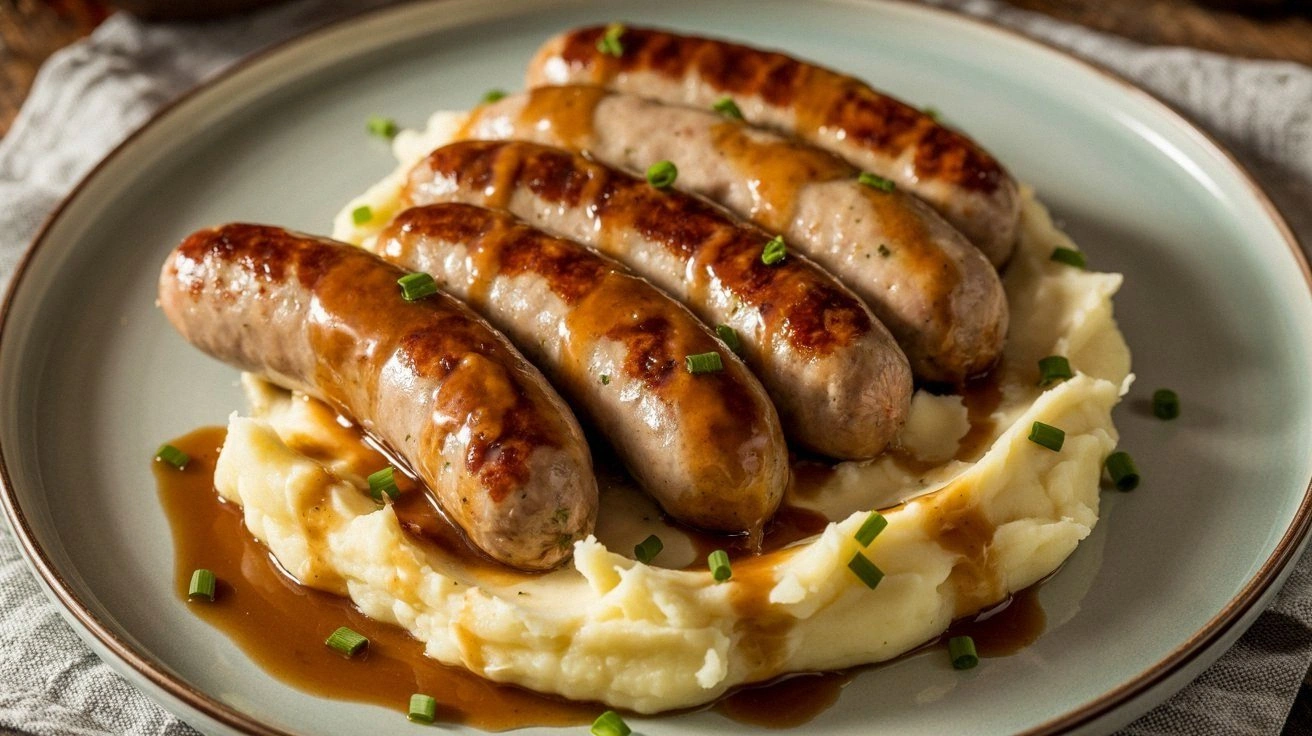
Picture this: a sizzling pan, the savory scent of browned sausages mingling with the earthy perfume of fresh cabbage and potatoes, a splash of milk that turns the mash into velvety clouds, and a final flourish of parsley that adds a bright, herbal note. The sound of the sausages crackling against the pan is a rhythmic drumbeat that signals the dish is almost ready. The sight of the golden-brown edges of the sausages, the glossy sheen of butter melting into the mash, and the vibrant green of the cabbage leaves creates a feast for the eyes even before the first bite. Every element of this dish engages the senses in a dance—taste, texture, aroma, sight, and sound—turning a simple meal into an immersive experience.
What makes this version stand out from the countless other “bangers and colcannon” recipes? First, it balances the robust, smoky flavor of the sausages with the subtle sweetness of caramelized onions, creating layers of depth that keep the palate engaged. Second, the colcannon is not just mashed potatoes; it’s a creamy, buttery mash that incorporates finely shredded cabbage for a gentle crunch and a pop of color. Third, the technique of browning the sausages first and then finishing them in the mash locks in juices and creates a harmonious blend of textures. Fourth, the use of fresh, seasonal greens and a splash of milk gives the mash a silky finish that feels indulgent without being heavy. Lastly, the recipe is forgiving—if you’re short on time, you can prep the mash in advance, and the dish still delivers that comforting, homestyle feel.
Now, here’s the kicker: I’ve discovered a trick that elevates the flavor profile—adding a pinch of mustard to the mash right before serving. It brings a subtle tang that cuts through the richness and makes the dish feel bright and lively. I dare you to taste this and not go back for seconds. Let me walk you through every single step—by the end, you’ll wonder how you ever made it any other way.
What Makes This Version Stand Out
- Flavor Depth: The sausages are first browned to develop a caramelized crust, then finished in the colcannon, infusing the mash with savory juices that create a complex flavor profile.
- Texture Contrast: The mash is silky and buttery, while the cabbage adds a subtle crunch, and the sausages provide a juicy center that bursts with every bite.
- Ingredient Quality: Using fresh, locally sourced Irish bangers and seasonal greens elevates the dish from ordinary to extraordinary.
- Time Efficiency: The method can be completed in under an hour, yet the result feels like a slow‑cooked stew, making it ideal for busy weeknights.
- Make‑Ahead Potential: The colcannon can be prepared the day before, then reheated with a splash of milk, keeping the texture pristine.
- Visual Appeal: The vibrant green of the cabbage against the golden-brown sausages creates a dish that looks as good as it tastes.
- Community Buzz: Friends who try this version rave about the “just right” balance of savory and creamy, and they keep asking for the recipe.
Alright, let’s break down exactly what goes into this masterpiece…
Inside the Ingredient List
The Flavor Base
The foundation of this dish is built around the sausages and the aromatics that accompany them. Fresh Irish bangers are the star; they bring a savory, smoky profile that permeates the entire plate. If you can’t find Irish sausages, a high‑quality pork or beef sausage with a moderate spice level will suffice, but the flavor will shift subtly. The onions, finely diced, caramelize during the initial browning phase, releasing natural sugars that balance the richness of the sausage. Garlic, minced to a fine mince, adds a fragrant punch that lingers in the mash. Skipping any of these components will result in a dish that feels flat or unbalanced; the onions provide sweetness, the garlic depth, and the sausage gives the core flavor.
The Texture Crew
Potatoes are the backbone of the colcannon. I recommend using a waxy variety like Yukon Gold or red potatoes because they hold their shape and release a creamy interior when mashed. Dice them into uniform cubes for even cooking, and keep the skins on for a rustic look and extra nutrients. Butter is essential; it coats the mash and gives it a silky sheen. A splash of milk (or a mixture of milk and cream) keeps the mash moist and airy, preventing it from becoming gummy. If you prefer a dairy‑free version, swap the milk for oat or almond milk, but the texture will be slightly lighter. Skipping the butter will leave the mash dry and bland.
The Unexpected Star
Cabbage—or for a modern twist, kale or collard greens—adds both nutrition and a pop of color. I use finely shredded cabbage because it cooks quickly and blends seamlessly into the mash, providing a subtle crunch and a gentle bitterness that cuts through the richness. If you’re allergic to cabbage or simply don’t care for its flavor, spinach or chard can serve as a suitable substitute, though they will impart a different taste profile. The greens also bring antioxidants and a dose of vitamin C, turning the dish into a more wholesome meal.
The Final Flourish
Fresh parsley is the finishing touch that brightens the dish, adding a herbal note that lifts the overall flavor. I recommend chopping it finely and sprinkling it over the finished mash right before serving. If parsley isn’t available, dill or chives work as a suitable alternative, offering a different but equally delightful aroma. Salt and pepper are the unsung heroes that bring all the ingredients together; they’re added in small increments to taste, ensuring the dish isn’t over‑seasoned.
Everything’s prepped? Good. Let’s get into the real action…
The Method — Step by Step
- Step 1: Brown the Sausages. Heat a large skillet over medium‑high heat and add a splash of oil. Once hot, place the sausages in the pan and let them sear for about 2–3 minutes per side until a golden crust forms. This caramelization locks in juices and adds a savory depth that will permeate the mash. Keep an eye on the temperature; if the pan gets too hot, the sausages may burn before they’re fully cooked.
- Step 2: Sauté the Aromatics. Remove the sausages and set them aside on a plate. In the same skillet, reduce the heat to medium and add the diced onion. Cook for 3–4 minutes until translucent, then add the minced garlic. Sauté for an additional 30 seconds, letting the garlic release its fragrance without burning. This step builds a flavorful base that will coat the mash.
- Step 3: Boil the Potatoes. While the aromatics cook, bring a large pot of salted water to a boil. Add the diced potatoes and cook for 10–12 minutes, or until they’re fork‑tender. Drain well, then return the potatoes to the pot to allow excess moisture to evaporate. The goal is a fluffy interior, not a soggy mash. A quick trick: add a pinch of salt to the boiling water to season the potatoes from the inside out.
- Step 4: Mash the Potatoes. Add butter to the hot potatoes and mash them with a potato masher or a fork until you reach your desired consistency. For a silkier mash, use a hand mixer on low speed and add milk gradually. The mixture should be smooth, creamy, and slightly glossy. Taste for salt and pepper, adding a pinch more if needed.
- Step 5: Combine Sausages and Greens. Return the browned sausages to the skillet with the aromatics, then add the shredded cabbage. Cook for 3–4 minutes, allowing the greens to wilt slightly and mingle with the sausage juices. This step ensures the flavors are fully integrated before the mash is added.
- Step 6: Merge and Finish. Gently fold the mashed potatoes into the skillet, stirring until everything is well coated and heated through. The mash should coat the sausage and greens, creating a cohesive, creamy mixture. Keep the heat low to prevent the milk from scorching.
- Step 7: Final Touch. Sprinkle the chopped parsley over the top and stir gently to distribute the fresh herbs. This brightens the dish and adds a pop of color that makes the plate instantly more appetizing. Taste again; if it feels flat, add a dash of salt or a pinch of pepper.
- Step 8: Serve. Spoon the creamy colcannon into bowls or onto a platter, and garnish with an extra sprinkle of parsley if desired. The dish is best enjoyed hot, so serve immediately for maximum flavor and texture. If you’re entertaining, arrange the sausages in a fan shape for a dramatic presentation.
- Step 9: Clean Up. While the dish rests, wipe down the skillet and wash the utensils. The aroma of the cooked sausage will linger, making the kitchen feel cozy even after the meal is over. A quick tip: store any leftover colcannon in an airtight container for up to 48 hours.
That’s it — you did it. But hold on, I’ve got a few more tricks that’ll take this to another level…
Insider Tricks for Flawless Results
The Temperature Rule Nobody Follows
Many cooks assume that a high heat is always better, but in this dish, maintaining a medium‑low heat after browning the sausages preserves their juiciness. If you let the pan get too hot, the sausages will dry out and the mash will scorch. I’ve learned that a gentle heat allows the flavors to meld without burning. Keep the skillet on low to medium after adding the potatoes, and you’ll get a perfectly creamy texture every time.
Why Your Nose Knows Best
As you cook, the aroma will change from the initial sizzling sausage to a sweet, caramelized onion scent, and finally to a buttery, earthy smell. Trust your nose; when the mixture starts to smell like toasted bread, it’s almost ready. I’ve had friends who keep waiting for the “final” aroma, and that’s when the dish starts to overcook. Listen to your senses, not just the clock.
The 5‑Minute Rest That Changes Everything
After you fold the mash into the skillet, let the mixture rest for 5 minutes off the heat. This rest period allows the flavors to settle and the mash to thicken slightly as the milk evaporates. Skipping this step can leave the dish feeling thin and under‑seasoned. The rest also lets the sausages re‑warm evenly, ensuring each bite is juicy.
The Secret of Fresh Herbs
Fresh parsley is the most common garnish, but using a mix of herbs can elevate the dish. A pinch of chopped dill or chives adds a subtle herbal complexity that balances the richness. I’ve experimented with adding a splash of lemon zest during the final stir for a bright, citrusy note that cuts through the heaviness. Keep the herbs fresh and chopped just before serving to preserve their bright flavor.
The Mustard Boost
A teaspoon of Dijon mustard, added right before serving, introduces a sharp, tangy kick that cuts through the creamy mash. It also adds depth, making the dish feel more complex. I’ve found that a small amount of mustard can transform an ordinary meal into something memorable. Add it in a whisper, stir gently, and taste—if you’re satisfied, you’ve unlocked a flavor secret.
Creative Twists and Variations
This recipe is a playground. Here are some of my favorite ways to switch things up:
Smoky Chipotle Twist
Add a tablespoon of chipotle in adobo sauce to the mash for a smoky, peppery kick. The chipotle pairs beautifully with the savory sausage, creating a bold flavor profile that’s perfect for a weekend brunch. Serve with a dollop of sour cream to balance the heat.
Cheesy Cauliflower Mash
Swap half of the potatoes with cauliflower florets, then mash them together for a lower‑carb version. Add shredded cheddar cheese for a gooey, indulgent twist. The cauliflower adds a subtle, nutty flavor that complements the sausage’s richness.
Herb‑Infused Sausage Blend
Mix fresh rosemary, thyme, and sage into the sausage mixture before browning. The herbs infuse the sausage with aromatic notes that echo the parsley garnish, creating a harmonious herbaceous theme throughout the dish.
Vegan Version
Use plant‑based sausages and replace dairy with oat milk and vegan butter. Add nutritional yeast for a cheesy flavor and a boost of B12. The result is a hearty, plant‑based meal that still feels indulgent.
Spicy Jalapeño Kick
Dice a fresh jalapeño and sauté it with the onions. The heat from the jalapeño will mingle with the sausage’s spices, giving the dish an extra layer of excitement. Pair it with a cool cucumber yogurt dip to keep the palate refreshed.
Storing and Bringing It Back to Life
Fridge Storage
Store leftovers in an airtight container in the refrigerator for up to 48 hours. The mash may thicken slightly as it cools, so add a splash of milk or a knob of butter before reheating to restore its silky texture. Keep the sausages separate if you prefer them crisp.
Freezer Friendly
This dish freezes well; pack it in a freezer‑safe container and label with the date. Freeze for up to 2 weeks. When ready to reheat, thaw overnight in the refrigerator, then warm in a skillet over low heat, adding a splash of milk to loosen the mash. Stir frequently to prevent sticking.
Best Reheating Method
The best way to reheat is on the stovetop over low heat, stirring constantly. A splash of water or milk added in small increments prevents the mash from drying out. If you’re short on time, microwave on low power for 1–2 minutes, stirring halfway through. Finish with a sprinkle of fresh parsley for a fresh finish.