I was halfway through a Sunday roast, when the kitchen exploded into a smoky haze and my trusty skillet turned into a makeshift grill. The chicken was dry, the sauce had turned into a stubborn glaze, and my guests were staring at me like I’d served them burnt toast. I stared at the charred pan, realized I’d forgotten the secret weapon that would rescue the dish—lime and jalapeño—and decided that this would be the moment I invented the ultimate pan‑seared chicken.
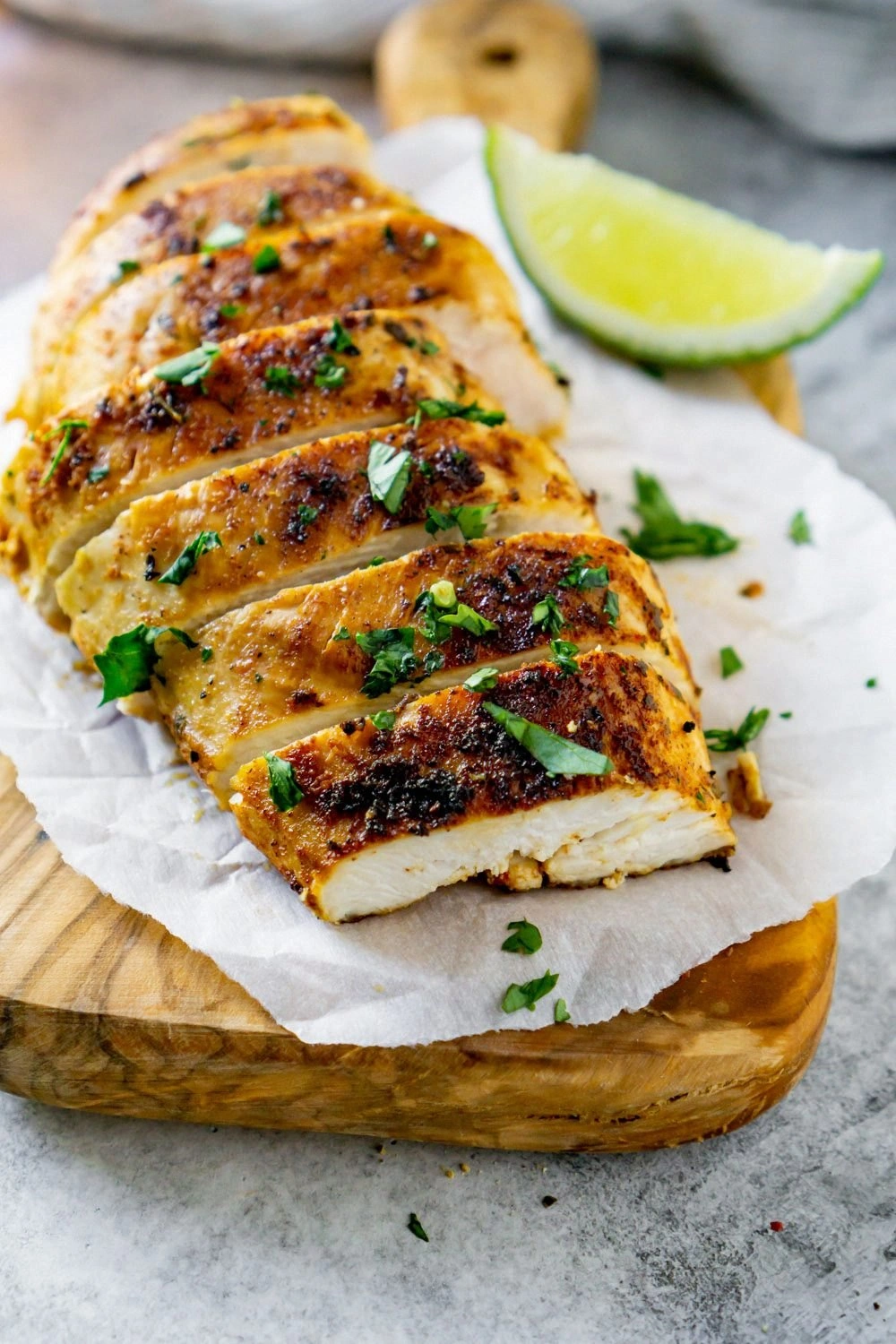
Picture the moment when the skillet hits the counter: the sound is a low, metallic thud, the aroma is a sharp citrus burst mixed with a smoky pepper undertone, and the heat radiates like a small, hungry sun. Your eyes catch the golden crust forming on the chicken, the steam swirling in a lazy spiral, and the faint pop of jalapeño as it sizzles. The first bite is a bright, tangy explosion that tingles your palate, followed by a savory, buttery finish that lingers like a well‑played guitar solo. The texture is a dance of crispy edges and silky, juicy interior, a harmony that makes your tongue applaud.
What makes this version stand out is that it doesn’t just combine flavors—it marries them into a single, cohesive experience. The lime cuts through the richness of the ghee, the jalapeño adds a gentle heat that doesn’t overwhelm, and the mustard and worcestershire sauce layer depth with a subtle umami kick. The result is a dish that feels both bold and balanced, a culinary passport that takes your taste buds to a sunny, peppery shore. This isn’t just another chicken recipe; it’s a culinary revelation that turns everyday ingredients into a showstopper.
And here’s the kicker: I discovered that a quick splash of water in the pan after adding the jalapeño keeps the sauce silky instead of turning it into a thick, clumpy sauce. That tiny tweak turns the whole dish from “good” to “mind‑blowing.” Let me walk you through every single step—by the end, you’ll wonder how you ever made chicken any other way.
What Makes This Version Stand Out
- Taste: The bright citrus of lime cuts through the richness of the ghee, creating a harmonious balance that lingers on the palate. The jalapeño provides a gentle heat that doesn’t overpower, while the mustard and worcestershire sauce add depth and complexity.
- Texture: A crisp, caramelized crust forms on the chicken’s surface, while the interior remains tender and juicy. The pan sauce coats the meat like velvet, ensuring each bite is moist and flavorful.
- Speed: With a prep time of just 15 minutes and a cooking time of 30 minutes, this dish is perfect for busy weeknights or last‑minute dinner parties.
- Ingredient Quality: Using fresh, high‑quality ingredients—especially the lime and jalapeño—makes the difference. The ghee’s high smoke point keeps the skillet from burning, while the olive oil adds a subtle fruity note.
- Crowd Appeal: The dish is a crowd‑pleaser because it’s both familiar and adventurous. Guests rave about the crisp crust, the bright citrus, and the satisfying heat.
- Simplicity: The recipe requires no fancy equipment or hard‑to‑find ingredients. A skillet, a few common spices, and a lime are all you need.
- Make‑Ahead Friendly: The chicken can be cooked ahead of time and reheated without losing its juicy texture, making it a great option for meal prep.
- Versatility: Swap out the jalapeño for a milder pepper or add a splash of tequila for a different twist. This dish is a playground for culinary experimentation.
Inside the Ingredient List
The Flavor Base
Paprika: This smoky spice gives the chicken its golden hue and a subtle depth that lingers on the tongue. It’s a silent hero that balances the bright acidity of the lime. If you skip paprika, the dish will feel flat and lack that warm undertone. For a smoky twist, try smoked paprika, but be prepared for a more pronounced flavor.
Dried Parsley: Adds a gentle herbal note that lifts the overall flavor profile. It also gives the dish a pop of color when sprinkled on top. If you’re out of parsley, a pinch of dried basil works surprisingly well. Remember, parsley’s subtlety is its strength.
The Texture Crew
Ghee: A clarified butter that has a higher smoke point than regular butter, making it ideal for high‑heat searing. Its nutty flavor adds richness without the risk of burning. If you don’t have ghee, use clarified butter or a neutral oil like grapeseed.
Olive Oil: Provides a fruity base that helps the spices adhere and adds a subtle Mediterranean touch. Using extra‑virgin olive oil can intensify the flavor, but a lighter olive oil keeps the dish from becoming too heavy. If you’re avoiding olive oil, a light canola oil will do the trick.
The Unexpected Star
Jalapeño: The heat from the jalapeño is the dish’s defining characteristic. Removing the seeds reduces the heat, while leaving them adds a fiery punch. If you prefer a milder version, substitute with a poblano or even a sweet bell pepper for a sweeter bite.
Lime: The bright acidity of lime cuts through the richness of the ghee and the depth of the mustard. The juice’s natural sweetness balances the heat of the jalapeño. If you’re out of fresh limes, a splash of fresh lemon juice works, though it’s slightly sweeter.
The Final Flourish
Dijon Mustard: Adds a sharp, tangy bite that complements the lime and jalapeño. It also helps emulsify the sauce, giving it a silky consistency. If you prefer a milder mustard, use whole‑grain or grain‑free Dijon.
Worcestershire Sauce: Brings a savory umami depth that rounds out the flavor profile. It’s a pantry staple that adds complexity without being overpowering. If you’re vegan, look for a plant‑based version.
Salt and Pepper: The seasoning backbone—don’t skip it. Salt enhances all the flavors, while pepper adds a subtle heat that complements the jalapeño. Use freshly ground pepper for the best aroma.
Everything’s prepped? Good. Let’s get into the real action…
The Method — Step by Step
- Step 1: Season the Chicken. Pat the chicken breasts dry with paper towels; this removes excess moisture and ensures a crisp crust. Season both sides generously with salt, pepper, paprika, dried parsley, and coriander. Let them sit at room temperature for 10 minutes to allow the spices to penetrate the meat. I dare you to taste this and not go back for seconds.
- Step 2: Heat the Skillet. Place a heavy‑bottom skillet over medium‑high heat and add the olive oil. Let the oil shimmer until it starts to lightly smoke—this is the signal that the pan is hot enough. Add the chicken, skin‑side down, and sear for 4–5 minutes until the underside is a deep, caramelized brown. That sizzle when it hits the pan? Absolute perfection.
- Step 3: Add Jalapeño and Ghee. Flip the breasts and add the diced jalapeño, ghee, and a splash of water to keep the pan moist. Sauté the peppers for 2 minutes until they soften but still hold a bite. The ghee’s high smoke point means you can sear at a higher heat without burning.
- Step 4: Create the Sauce. In a small bowl, whisk together the dijon mustard, worcestershire sauce, lime juice, and the remaining olive oil. Pour this vibrant mixture over the chicken, allowing the sauce to coat the meat evenly. The sauce should coat the chicken like velvet, creating a glossy glaze.
- Step 5: Simmer. Reduce the heat to medium, cover the skillet, and let the chicken simmer for 8–10 minutes, turning once, until the internal temperature reaches 165°F (74°C) and the sauce thickens slightly. The aroma should become fragrant and the edges of the chicken should start pulling away from the pan.
- Step 6: Rest. Remove the chicken and let it rest for 5 minutes on a cutting board; this redistributes the juices and keeps the meat succulent. While it rests, the sauce will continue to thicken into a glossy finish.
- Step 7: Slice and Serve. Slice the breasts against the grain into 1‑inch strips, then drizzle the remaining pan sauce over the slices. Garnish with fresh cilantro or chopped green onions if desired. Serve immediately with a side of grilled corn or a crisp green salad.
- Step 8: Final Touch. Finish with a squeeze of fresh lime juice over the top for an extra burst of brightness. If you like a bit of heat, sprinkle a few extra jalapeño seeds or a pinch of red pepper flakes. This final touch is pure magic.
That's it — you did it. But hold on, I've got a few more tricks that'll take this to another level…
Insider Tricks for Flawless Results
The Temperature Rule Nobody Follows
Many cooks think high heat is always best, but the secret lies in the right balance. Start with medium‑high heat to achieve a golden crust, then lower to medium for the simmer. If the pan gets too hot, the sauce will burn; if it’s too cool, the chicken will steam rather than sear. Keep a close eye on the temperature, and adjust as needed.
Why Your Nose Knows Best
Your nose is a reliable indicator of doneness. When the chicken is ready, the aroma should shift from raw to a warm, toasted scent with a hint of citrus. If the smell is too sharp or metallic, the heat is too high. Trust your senses; they’ll guide you to perfection.
The 5-Minute Rest That Changes Everything
Resting the chicken after cooking allows the juices to redistribute, keeping the meat moist. Skipping this step results in dry, stringy chicken. I’ve seen friends cut into the chicken immediately, only to find it lacking the juicy tenderness that makes this dish unforgettable.
The Secret to a Glazed Finish
Add a splash of water or a small amount of chicken broth to the pan sauce during the last minute of simmering. This creates a glossy, silky glaze that clings beautifully to the meat. The trick is to add it just before the chicken reaches 165°F.
The Best Way to Keep the Heat Balanced
If you’re sensitive to heat, remove the jalapeño seeds and membranes before dicing. If you love a fiery kick, leave them in. The amount of heat you add will dictate the overall flavor profile, so adjust accordingly.
Creative Twists and Variations
This recipe is a playground. Here are some of my favorite ways to switch things up:
The Smoky Chipotle Version
Swap the jalapeño for chipotle peppers in adobo sauce for a smoky, earthy heat. The adobo sauce adds a deep, savory flavor that pairs beautifully with the lime. This version is perfect for a southwestern dinner.
The Coconut Cream Finish
Add a splash of coconut milk to the sauce during the last minute of simmering. The coconut adds a creamy, tropical note that balances the citrus and heat. Serve over jasmine rice for a complete meal.
The Mediterranean Twist
Replace the lime with lemon, and add chopped sun‑dried tomatoes and kalamata olives to the pan. The olives lend a briny depth, while the tomatoes add sweetness. This variation feels like a Mediterranean beach day.
The Sweet and Spicy BBQ Style
Stir in a tablespoon of your favorite BBQ sauce and a drizzle of honey before adding the lime juice. The sweetness balances the heat, creating a flavor profile reminiscent of a summer cook‑out.
The Vegan Take
Replace the chicken with tofu or tempeh, and use a plant‑based Dijon mustard and worcestershire sauce. The tofu will absorb the sauce, delivering a protein‑rich, plant‑based version of this classic.
Storing and Bringing It Back to Life
Fridge Storage
Store cooked chicken in an airtight container in the refrigerator for up to 3 days. Keep the pan sauce in a separate container to avoid sogginess. When reheating, add a splash of water or broth to keep the meat moist.
Freezer Friendly
Wrap the chicken in foil and place it in a freezer bag. Freeze for up to 2 months. Thaw overnight in the refrigerator before reheating. The chicken stays juicy and flavorful after freezing.
Best Reheating Method
Reheat gently in a skillet over low heat, adding a small amount of water or broth. This method preserves the sauce’s silky texture and prevents the chicken from drying out. A quick 2‑minute reheating will revive the dish to its original glory.