Picture this: you’re standing in a cramped apartment kitchen, a half‑finished ramen bowl clinging to the edge of the counter, and the smell of burnt garlic wafting through the hallway like a warning siren. I was on the brink of a culinary disaster when a friend dared me to “make something that actually tastes like a Korean BBQ joint.” I laughed, I cried, and then I remembered that old flank steak hidden in the freezer, the gochujang I’d bought on a whim, and a sudden spark of inspiration that turned a near‑fail into a revelation. That night, the kitchen became a battlefield of sizzling pans, fragrant sauces, and a daring promise that I would not settle for anything less than the perfect bowl.
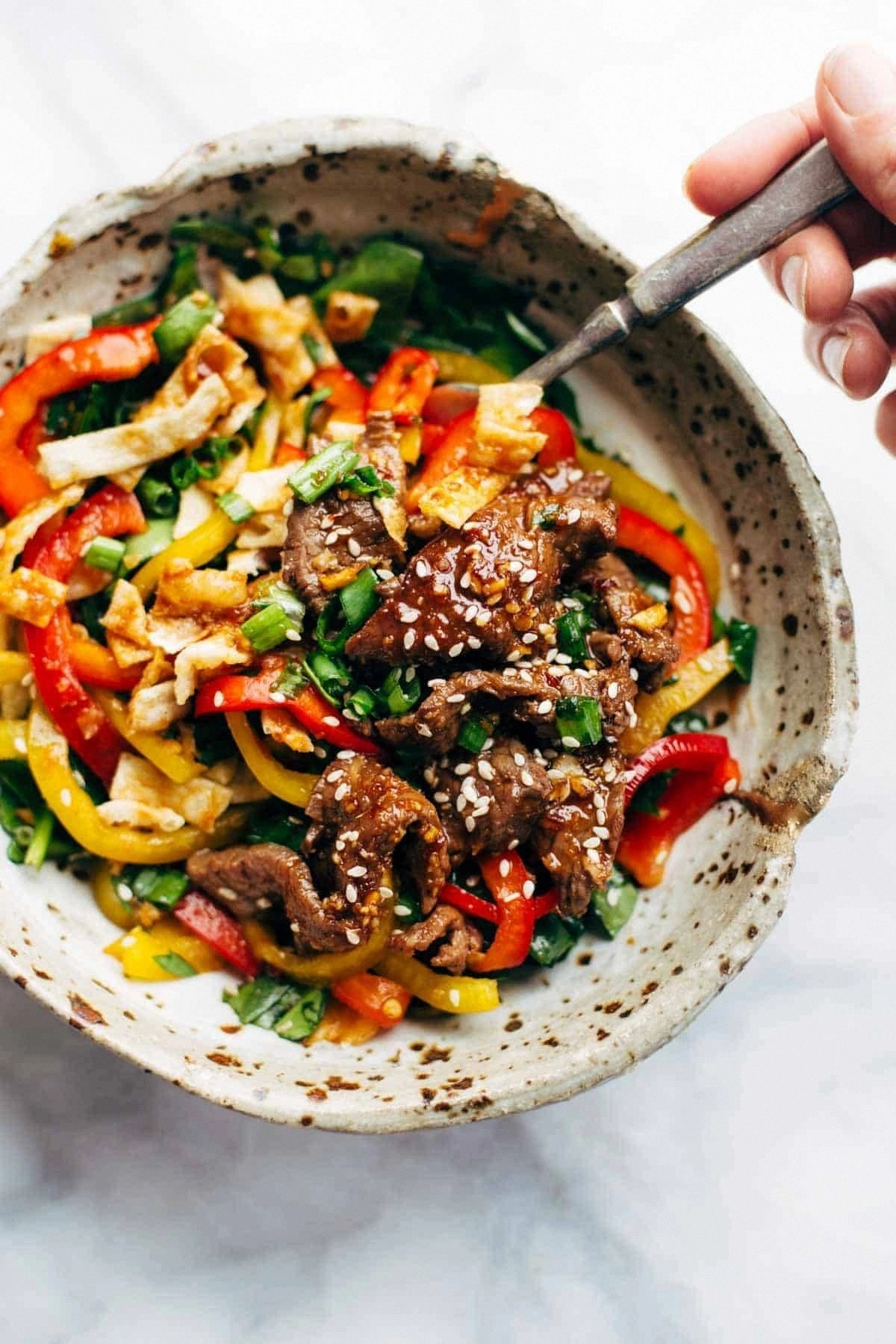
The moment the steak hit the scorching pan, the kitchen erupted in a chorus of sizzling that sounded like fireworks on the Fourth of July. The air filled with the smoky depth of caramelized meat, the sharp tang of soy, and the sweet whisper of brown sugar—an orchestra that made my taste buds stand up and applaud. I could see the sauce bubbling, thickening, clinging to the meat like a glossy coat of armor, while the rice waited patiently on the side, its grains fluffy and ready to soak up every last drop. The crunch of fresh cucumber and carrot added a bright contrast, and the kimchi’s tangy bite cut through the richness like a perfectly timed drum solo.
What makes this version the ultimate Korean BBQ Steak Bowl? It’s not just the ingredients—it’s the choreography. I’ve honed the marination time, the searing temperature, and the finishing drizzle of a spicy sesame dressing that literally ignites the palate. Most recipes get the balance wrong, either drowning the steak in sauce or leaving it dry and bland. Here, the steak stays juicy, the sauce is bold but never overpowering, and the toppings add texture layers that make each bite a new adventure. And yes, there’s a secret ingredient that most people overlook: a splash of rice vinegar that brightens the whole dish like a flash of neon in a night market.
Ready for the game‑changer? I’m about to walk you through every single step—by the end, you’ll wonder how you ever made a bowl without this level of flavor, texture, and sheer satisfaction. I dare you to taste this and not go back for seconds. Let’s get started.
What Makes This Version Stand Out
- Flavor Explosion: The marriage of gochujang, soy, and a dash of rice vinegar creates a sauce that’s simultaneously sweet, salty, and tangy, coating the steak like velvet.
- Texture Symphony: Crispy edges on the steak meet crunchy veggies and silky rice, delivering a mouthfeel that dances between soft and snap.
- Simplicity Meets Sophistication: Only a handful of pantry staples are needed, yet the result feels like a dish from a high‑end Seoul bistro.
- Ingredient Quality: Using a well‑marbled flank or sirloin ensures the meat stays tender, while toasted sesame seeds add a nutty depth you can’t fake.
- Crowd‑Pleaser Factor: This bowl has the power to convert even the most skeptical meat‑averse friends—trust me, I’ve seen it happen.
- Cooking Method: A quick high‑heat sear locks in juices, and the finishing sauce is reduced on the stovetop for maximum flavor concentration.
- Make‑Ahead Potential: Marinate the steak overnight, prep the veggies ahead of time, and you’ll have a dinner that’s ready in 30 minutes.
- Spice Control: Adjust the gochugaru to dial the heat up or down, making it perfect for any tolerance level.
Inside the Ingredient List
The Flavor Base
Gochujang, that deep‑red Korean chili paste, is the heart of this bowl. Its fermented umami gives the sauce a complex depth that sugar alone could never achieve. If you skip it, you’ll lose the characteristic sweet‑heat that makes the dish sing. For a milder version, substitute half the gochujang with miso paste, but remember you’ll need to add a pinch more sugar to keep the balance.
The Texture Crew
Flank steak (or sirloin) is the star protein, chosen for its ability to stay tender when sliced against the grain. If you use a tougher cut like chuck, you’ll need to braise it longer, which defeats the quick‑cook ethos. The short‑grain rice is essential; its sticky nature soaks up the sauce beautifully. For a gluten‑free twist, swap the rice for cauliflower rice, but expect a lighter mouthfeel.
The Unexpected Star
Rice vinegar might seem like a minor player, yet its bright acidity lifts the entire dish, preventing the sauce from feeling heavy. A splash of this vinegar is like a spotlight on a stage—suddenly everything shines. If you don’t have rice vinegar, apple cider works in a pinch, though the flavor will be slightly fruitier.
The Final Flourish
Sesame oil, toasted sesame seeds, and gochugaru (Korean red pepper flakes) provide the finishing flourish. The oil adds a nutty aroma, the seeds contribute a delicate crunch, and the flakes deliver that final punch of heat. Skip the seeds, and you’ll miss the subtle pop that makes each bite interesting. For a nut‑free version, omit the seeds and increase the pepper flakes.
Everything's prepped? Good. Let’s get into the real action…
The Method — Step by Step
First, slice the flank steak into ½‑inch strips, then place them in a large zip‑top bag. Add ¼ cup soy sauce, 2 tbsp gochujang, 1 tbsp brown sugar, 1 tbsp sesame oil, minced garlic, grated ginger, and a pinch of salt and pepper. Seal the bag, massage the mixture for 30 seconds, and let it marinate for at least 30 minutes, or up to 12 hours in the fridge. This is the moment of truth—the longer you marinate, the deeper the flavor penetration.
While the meat marinates, cook 2 cups of short‑grain rice according to package instructions. Fluff with a fork and set aside, keeping it warm. Pro tip: rinse the rice until the water runs clear; this removes excess starch and gives you that perfect, slightly sticky texture.
Prepare the veggies: julienne the cucumber, shred the carrot, chop the kimchi, and slice the green onions. Toss the cucumber and carrot with a pinch of salt and let them sit for 5 minutes to draw out excess moisture, then pat dry with paper towels.
Kitchen Hack: Use a mandoline for perfectly even cucumber sticks—speed and uniformity guaranteed.Heat a cast‑iron skillet or heavy‑bottomed pan over high heat until it’s smoking hot. Add 2 tbsp vegetable oil, swirling to coat the surface. When the oil shimmers, add the marinated steak in a single layer—do not crowd the pan. Let it sear untouched for 2 minutes; you’ll hear that satisfying sizzle that signals caramelization.
Flip the steak strips and sear the other side for another 2‑3 minutes, until the edges turn a deep caramel brown and the interior is still pink.
Watch Out: Overcooking will turn the steak tough; keep the total cook time under 6 minutes for optimal tenderness.Remove the steak and set aside. Reduce the heat to medium and pour the remaining marinade into the pan. Add 1 tbsp rice vinegar and let the sauce simmer for 2‑3 minutes, stirring constantly until it thickens slightly and becomes glossy. This reduction concentrates the flavors and creates the perfect coating for the meat.
Return the steak to the pan, toss to coat evenly with the reduced sauce, and sprinkle 1 tsp toasted sesame seeds and 1 tbsp gochugaru for that final kick. The sauce should cling to each strip like a glossy glaze. This next part? Pure magic.
Assemble the bowls: start with a generous mound of rice, then layer the caramelized steak, kimchi, cucumber, carrot, and a scattering of green onions. Drizzle any leftover sauce from the pan over the top, and if you like, add sliced avocado for creamy contrast.
Serve immediately, encouraging diners to mix everything together. The moment the hot steak meets the cool cucumber—that sizzle when it hits the pan? Absolute perfection.—you’ll see smiles spread across the table. And now the fun part: watch everyone reach for seconds.
That’s it — you did it. But hold on, I’ve got a few more tricks that'll take this to another level…
Insider Tricks for Flawless Results
The Temperature Rule Nobody Follows
Never let the steak sit at room temperature for more than 10 minutes before searing. A cold steak will release steam, preventing that coveted crust. I once let a steak rest for 20 minutes, and the result was a soggy, sad mess. Keep it chilled until you’re ready to hit the pan, then sear immediately for that perfect char.
Why Your Nose Knows Best
Throughout the cooking process, trust your sense of smell. When the sauce begins to emit a sweet, caramelized aroma, you’re at the right reduction point. If you can smell the raw garlic, keep simmering. This sensory checkpoint replaces any guesswork about timing.
The 5‑Minute Rest That Changes Everything
Once the steak is cooked, let it rest for exactly five minutes before slicing. This allows the juices to redistribute, ensuring each bite stays juicy. I’ve seen people slice immediately and end up with a dry, disappointing bite—don’t make that mistake.
Sesame Oil Finish
A drizzle of extra‑virgin sesame oil right before serving adds a fragrant finish that elevates the dish from good to unforgettable. The oil’s nutty perfume wakes up the palate and balances the heat from the gochujang.
Spice Level Calibration
If you’re a heat‑lover, add an extra teaspoon of gochugaru during the final toss. For the faint‑hearted, reduce the gochujang by half and swap half the gochugaru for paprika. This flexibility ensures everyone gets a bowl they can handle.
Creative Twists and Variations
This recipe is a playground. Here are some of my favorite ways to switch things up:
Veggie‑Only Version
Swap the steak for firm tofu or tempeh, marinated in the same sauce. The result is a plant‑based bowl that still delivers that signature umami punch. Perfect for a meat‑free Friday.
Spicy Peanut Drizzle
Combine peanut butter, soy sauce, a dash of honey, and a splash of lime juice for a creamy, nutty alternative to the sesame dressing. It adds a Thai‑inspired twist that pairs beautifully with the Korean flavors.
Grain Swap
Use quinoa or barley instead of rice for added texture and a nutty backdrop. The heartier grain holds up well under the rich sauce and adds a boost of protein.
Kimchi‑Free Kick
If kimchi isn’t your thing, substitute with pickled daikon or a quick cucumber kimchi made by massaging sliced cucumber with chili flakes, garlic, and a splash of rice vinegar. You still get that tangy crunch.
Smoky Chipotle Infusion
Add a teaspoon of chipotle powder to the marinade for a smoky, slightly sweet heat that complements the gochujang. This version is perfect for fans of BBQ flavors looking for a Korean twist.
Breakfast Bowl Remix
Top the finished bowl with a fried egg and a sprinkle of nori strips. The runny yolk becomes a silky sauce that melds with the spicy dressing, turning lunch into a hearty breakfast.
Storing and Bringing It Back to Life
Fridge Storage
Cool the cooked steak and rice to room temperature, then store each component in airtight containers. The steak stays fresh for up to 3 days, and the rice for 4 days. When ready to eat, reheat the steak in a hot pan for 2 minutes, and microwave the rice for 1 minute, stirring halfway.
Freezer Friendly
Separate the steak, sauce, and veggies before freezing. The steak can be frozen in a zip‑top bag with the sauce for up to 2 months. The rice freezes well in portion‑size bags; simply defrost in the microwave and add a splash of water to re‑hydrate.
Best Reheating Method
To revive the bowl, place the steak and sauce in a skillet over medium heat, adding a tiny splash of water or broth to steam it back to perfection. This prevents the meat from drying out and restores the glossy coating.