Okay, picture this: I was standing in my tiny kitchen, the kind of place where the ceiling fan spins like a lazy ceiling‑fan‑saurus, and a sudden craving for something fresh, zingy, and utterly guilt‑free slammed into me like a rogue wave. I’d just survived a disastrous attempt at a greasy chicken stir‑fry that left my stovetop looking like a war zone, and I swore off anything that required deep frying for a week. Then a friend dared me, “Make something that feels like a Thai street market but won’t make you sweat in the kitchen.” I accepted, and that dare turned into the birth of what I now call the ultimate Light Thai Chicken Lettuce Wraps.
The moment the first sizzle hit the pan, the kitchen filled with a perfume that could make a monk break his meditation—sharp garlic, sweet ginger, and a whisper of chili that hinted at fire without burning the roof down. The chicken, sliced thin enough to see through, turned a golden‑brown that was almost theatrical, while the lettuce leaves waited like crisp, emerald boats ready to carry a treasure. I could hear the faint crackle of peanuts being crushed, a sound that promised crunch in every bite. My fingers tingled as I tossed in lime juice, and the whole scene felt like a culinary fireworks show—bright, bold, and impossibly satisfying.
Most recipes for Thai chicken lettuce wraps either drown the chicken in sauce, making it soggy, or skimp on flavor, leaving you with a bland bite of lettuce. This version, however, hits the sweet spot: the sauce clings to the chicken like a silky scarf, the veggies stay crisp, and the lettuce provides that perfect, refreshing snap. The secret? A quick caramelization step that locks in juices, plus a balance of fish sauce, lime, and a pinch of brown sugar that creates a flavor profile that dances on the tongue. I’m going to be honest — I ate half the batch before anyone else got a chance to try it, and that’s a confession you’ll probably relate to.
I’m also tossing in a surprise ingredient that most people overlook: a dash of toasted sesame oil at the very end, just enough to give the dish a whisper of nutty depth without overpowering the fresh herbs. This tiny addition is the game‑changer that elevates the whole experience. Let me walk you through every single step — by the end, you’ll wonder how you ever made it any other way.
What Makes This Version Stand Out
- Flavor Explosion: The sauce balances salty fish sauce, bright lime, and a hint of brown sugar, creating a taste that sings louder than a karaoke night in Bangkok.
- Texture Symphony: Each bite offers a crunchy lettuce cup, tender chicken, and a delicate snap from carrots and cucumber—like a well‑orchestrated drum solo.
- Simplicity Meets Sophistication: You need only a handful of pantry staples, yet the result feels like a dish you’d order at a five‑star rooftop bar.
- Ingredient Quality: Using fresh cilantro and high‑quality fish sauce makes the difference between “meh” and “wow” in seconds.
- Crowd‑Pleaser Factor: I dare you to taste this and not go back for seconds; it’s the kind of appetizer that turns strangers into friends.
- Make‑Ahead Friendly: The chicken and sauce can be pre‑cooked, and the lettuce stays crisp for hours if stored properly.
- Low‑Calorie Luxury: At just 350 calories per serving, you get indulgence without the post‑meal guilt.
- Versatile Canvas: Swap the chicken for tofu or shrimp, and you have a whole new dish without rewriting the recipe.
Inside the Ingredient List
The Flavor Base
The heart of this dish lies in the sauce: fish sauce, soy sauce, lime juice, and brown sugar. Fish sauce brings that unmistakable umami depth that can’t be replicated by any other condiment; it’s the secret handshake of Thai cuisine. Lime juice adds a bright acidity that cuts through the richness of the chicken, while brown sugar provides a subtle caramel note that balances the salty tang. If you skip the brown sugar, you’ll end up with a sauce that feels like it’s missing its sweet sidekick, leaving the palate a little too sharp.
The Texture Crew
Crisp lettuce leaves act as edible bowls, offering a fresh crunch that contrasts beautifully with the tender chicken. Carrots and cucumber add a watery snap that keeps each bite lively, and crushed peanuts deliver an earthy crunch that feels like a surprise party in your mouth. Swapping peanuts for cashews works if you’re allergic, but you’ll lose that distinct Thai‑style nuttiness that makes the dish sing.
The Unexpected Star
A splash of toasted sesame oil at the very end is the hidden hero. It’s a whisper of nutty aroma that rounds out the bright flavors without overwhelming them. If you forget it, the dish still tastes great, but you’ll miss that final “mic drop” moment that makes the flavor linger on the palate long after the last bite.
The Final Flourish
Fresh cilantro and green onions are the finishing touches. Cilantro adds a herbaceous brightness that lifts the whole dish, while green onions contribute a mild oniony bite that’s less aggressive than raw red onion. When selecting cilantro, look for vibrant green leaves without any yellowing; wilted cilantro will introduce bitterness that can ruin the balance. If cilantro isn’t your thing, try fresh Thai basil for a slightly peppery twist.
Everything's prepped? Good. Let's get into the real action...
The Method — Step by Step
First, slice the chicken breast into thin, bite‑size strips. The thinner the pieces, the quicker they’ll cook and the more surface area there is for the sauce to cling. Pat the strips dry with paper towels—moisture is the enemy of a good sear. Season lightly with salt and pepper; this is your first layer of flavor that will build depth later.
Heat a tablespoon of vegetable oil in a large skillet over medium‑high heat. When the oil shimmers, add the minced garlic, grated ginger, and chopped red chili. That sizzle when it hits the pan? Absolute perfection. Cook for about 30 seconds, stirring constantly, until the aromatics become fragrant but not browned. This quick infusion is the foundation of your sauce.
Add the chicken strips to the hot pan in a single layer. Let them sit untouched for 1–2 minutes so they develop a caramelized crust—this is the moment of truth. Watch Out: If you keep stirring, you’ll end up with steamed chicken instead of that coveted golden‑brown sear.
Once the chicken is nicely browned, pour in the fish sauce, soy sauce, lime juice, and brown sugar. Stir everything together, scraping up any browned bits from the pan—those are flavor fireworks. Reduce the heat to medium and let the sauce simmer for 3–4 minutes, allowing it to thicken and coat the chicken like a glossy veil. If the sauce looks too thick, splash in a splash of water; if it’s too thin, let it reduce a minute longer.
While the chicken finishes cooking, quickly prepare your fresh veggies. Julienne the carrot, slice the cucumber into thin matchsticks, and roughly chop the cilantro. Toss the veggies with a pinch of salt and a drizzle of lime juice to brighten them. This step keeps the vegetables crisp and prevents them from wilting when they meet the warm chicken.
Just before you turn off the heat, drizzle the toasted sesame oil over the chicken and give everything a final toss. The oil adds a nutty aroma that lingers on the palate, turning a good dish into a great one. Let the chicken rest for two minutes; this short pause lets the juices redistribute, keeping each bite moist.
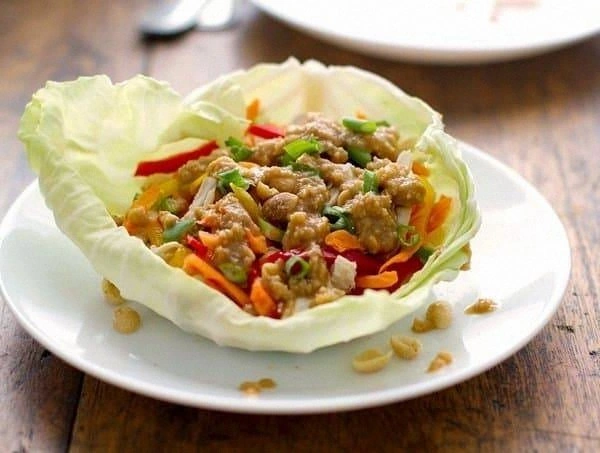
Now for the fun part: assemble the wraps. Take a lettuce leaf, spoon a generous amount of the chicken mixture into the center, then top with carrots, cucumber, cilantro, green onions, and a sprinkle of crushed peanuts. The lettuce should act as a sturdy cup, but be gentle—you don’t want to tear it. The moment you fold the leaf over the filling, you’ll hear a satisfying snap that signals you’re about to bite into perfection.
Serve the wraps immediately, or let them sit for a few minutes if you prefer a slightly cooler bite. Pair them with a simple Thai cucumber salad or a chilled jasmine tea for a complete experience. And remember, the best part is the look on your guests’ faces when they realize they’re eating something that tastes like a street‑food stall but feels like a home‑cooked masterpiece.
That's it — you did it. But hold on, I've got a few more tricks that'll take this to another level...
Insider Tricks for Flawless Results
The Temperature Rule Nobody Follows
Never start your chicken on low heat; you’ll end up with a soggy texture that defeats the purpose of a wrap. Crank the heat to medium‑high, let the oil shimmer, and only then introduce the meat. This high‑heat sear locks in juices and creates that coveted caramelized crust. I once tried a “gentle cook” method and the chicken turned out rubbery—lesson learned.
Why Your Nose Knows Best
Your sense of smell is the ultimate timer. When the garlic and ginger start to turn golden and release that sweet, nutty aroma, you know the base is ready. If you rely solely on a clock, you might overcook and lose those nuanced flavors. Trust the nose; it’s the most reliable kitchen gauge you have.
The 5‑Minute Rest That Changes Everything
After the chicken finishes cooking, let it rest for exactly five minutes off the heat. This short pause lets the muscle fibers relax and the juices settle, preventing a dry bite. A friend once skipped this step and complained the wraps were “dry” despite following the recipe to the letter—now we both know the rest is non‑negotiable.
Peanut Crunch Preservation
Crushed peanuts can become soggy if they sit too long in the sauce. To keep them crisp, toss them in just before serving. If you love an extra crunch, toast them lightly in a dry pan for 30 seconds; the extra aroma will make your mouth water before the first bite.
Lettuce Longevity
Keep lettuce leaves crisp by wrapping them in a damp paper towel and storing them in the fridge for up to 24 hours. This trick maintains the leaf’s structural integrity, ensuring it doesn’t wilt when you load it with the warm chicken. If you notice any sogginess, pat the leaves dry before assembly.
Creative Twists and Variations
This recipe is a playground. Here are some of my favorite ways to switch things up:
Spicy Peanut Fusion
Swap the brown sugar for a tablespoon of peanut butter and add a dash of sriracha. The sauce becomes creamy, nutty, and has an extra kick that will make spice lovers swoon. Top with extra crushed peanuts for a double‑crunch effect.
Coconut‑Infused Chicken
Add ¼ cup of coconut milk to the sauce and replace the sesame oil with a drizzle of toasted coconut oil. The result is a subtly sweet, tropical flavor that pairs beautifully with the fresh herbs. Garnish with toasted coconut flakes for a fragrant finish.
Veggie‑Only Delight
Replace the chicken with firm tofu cubes or tempeh strips, marinated in the same sauce. This makes the dish fully vegetarian while retaining the same textural contrast. Serve with extra lime wedges for an added zing.
Herb‑Heavy Remix
Introduce Thai basil and mint alongside cilantro. The extra herb layers bring a fresh, aromatic complexity that feels like a garden in your mouth. This variation shines when paired with a light cucumber‑yogurt dip.
Crunchy Noodle Bed
Lay a small nest of rice vermicelli noodles inside each lettuce cup before adding the chicken. The noodles absorb some of the sauce, adding a pleasant chewiness that contrasts with the crisp lettuce.
Storing and Bringing It Back to Life
Fridge Storage
Place the cooked chicken and sauce in an airtight container; it will stay fresh for up to three days. Keep the lettuce leaves separate, wrapped in a damp paper towel inside a zip‑lock bag. When you’re ready to eat, simply assemble the wraps—no reheating required.
Freezer Friendly
Freeze the chicken and sauce together in a freezer‑safe bag for up to two months. Thaw overnight in the fridge, then gently reheat in a skillet over medium heat for 3–4 minutes. The lettuce should be fresh; if it wilts, replace with new leaves before serving.
Best Reheating Method
To revive the chicken without drying it out, add a splash of water (about 1‑2 teaspoons) to the pan before reheating. Cover the skillet for a minute; the steam will bring back the sauce’s glossy sheen and keep the meat juicy. Avoid microwaving, as it can make the chicken rubbery.