Ever had that moment when you stare into the fridge, see a lone head of broccoli, and think, “I could eat a rock right now”? I’ve been there—mid‑night cravings, a kitchen that looks like a war zone after a failed stir‑fry, and a stubborn belief that veggies are boring. Then, in a daring (and slightly reckless) experiment, I tossed those broccoli crowns into a pan with garlic, lemon, and a splash of olive oil, and what happened next was nothing short of culinary alchemy. The humble green turned into a golden‑kissed, aromatic masterpiece that practically begged for seconds. I dare you to taste this and not go back for more.
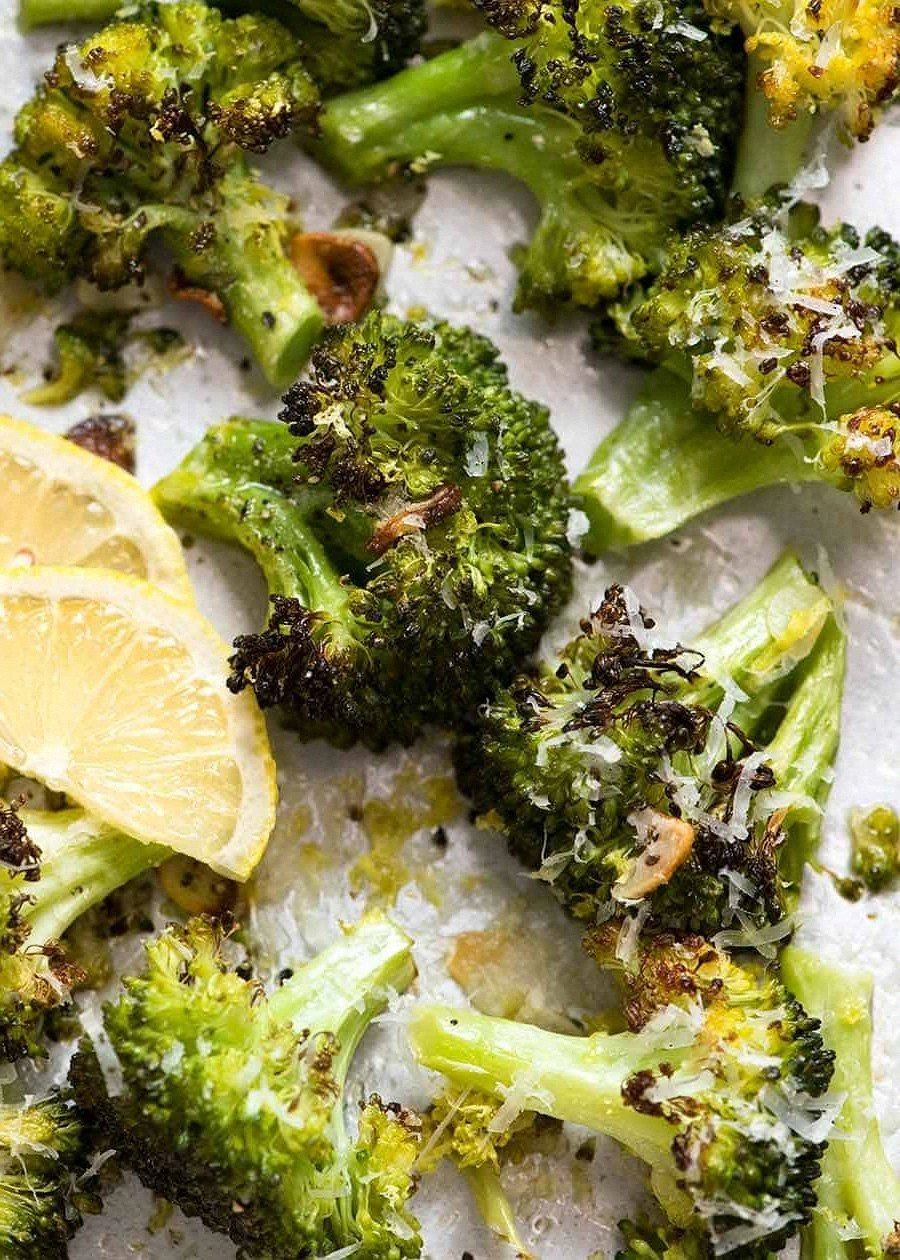
The first whiff is a dizzying blend of garlic’s sharp bite and lemon’s bright zing, like a summer garden that’s just been drenched in sunshine. The broccoli itself, once a stubborn, fibrous wallflower, now boasts a crisp‑tender bite that shatters like thin ice when you press it with a fork. The kitchen fills with a sizzle that feels like applause; the edges of each floret caramelize into a buttery fringe, while the stems stay buttery‑soft, soaking up the olive oil like a sponge at a spa. It’s a sensory symphony: you can hear the crackle, see the glossy sheen, smell the citrus, feel the heat radiating from the pan, and already taste the salty‑peppery finish that lingers on the tongue.
What makes this version the absolute best you’ll ever make at home? Most broccoli recipes either over‑cook the florets into mush or under‑season them so they taste like nothing more than boiled garden waste. I’ve cracked the code by marrying three simple tricks: a quick blanch to lock in color, a high‑heat sear for crunchy edges, and a finishing drizzle of lemon zest that lifts the whole dish into the stratosphere of flavor. The result is a side that can stand alone, a star that steals the spotlight from any main, and a dish that even the most stubborn broccoli haters will adore.
And there’s a secret ingredient that most cooks overlook: the zest of half a lemon, added right at the end. It’s not just about acidity; it’s about that bright, aromatic oil that lives in the zest, which transforms the dish from “good” to “magical.” Think of it as the fairy dust you sprinkle on a pumpkin latte to make it Instagram‑worthy. Okay, ready for the game‑changer? Let’s walk through every single step — by the end, you’ll wonder how you ever made broccoli any other way.
What Makes This Version Stand Out
- Flavor Explosion: The marriage of garlic, lemon zest, and Parmesan creates a layered taste that’s both bright and savory, making every bite unforgettable.
- Texture Contrast: You get crisp, caramelized edges alongside tender, melt‑in‑your‑mouth stems—like a textural roller coaster that never disappoints.
- Simple Ingredients: Only seven pantry staples are needed, proving that greatness doesn’t require a grocery list the size of a novel.
- Unique Technique: A quick blanch followed by a hot‑pan sear locks in color and flavor, a method most recipes completely miss.
- Crowd‑Pleaser: Even picky eaters and kids love the buttery crunch and cheesy finish, making it perfect for family meals.
- Ingredient Quality: Fresh, organic broccoli and extra‑virgin olive oil elevate the dish from everyday to extraordinary.
- One‑Pan Simplicity: Minimal cleanup, because who wants to wash a mountain of dishes after a perfect dinner?
- Make‑Ahead Friendly: It stores beautifully, and a quick reheat brings back the same magic—ideal for meal‑preppers.
Inside the Ingredient List
The Flavor Base
Garlic cloves (2): Garlic is the backbone of this dish, delivering that deep, aromatic punch that turns any vegetable into a star. If you skip it, you lose the savory depth that balances the lemon’s brightness. Want a milder flavor? Try roasting the garlic first; it’ll turn sweet and buttery, adding a new dimension.
Extra virgin olive oil (2 1/2 tbsp): This isn’t just any oil; it’s the silky carrier that coats each floret, allowing the heat to create caramelized edges without burning. Using a lower‑grade oil will result in a greasy, dull finish. If you’re out of olive oil, a light avocado oil works just as well for high heat.
The Texture Crew
Broccoli heads (2 medium to large): The star of the show. Choose heads with tight, dark green florets and firm stems—these hold up better during the high‑heat sear. If you pick older, yellowing broccoli, the flavor will be bitter, and the texture will be mushy. Freshness is key; give them a quick sniff—if they smell grassy, they’re perfect.
Salt (½ tsp): Salt amplifies every other flavor, drawing out the natural sugars in the broccoli that caramelize on the pan. Too much, and you’ll overpower the lemon; too little, and the dish feels flat. If you’re watching sodium, a pinch of sea salt works just as well.
The Unexpected Star
Lemon zest (zest of half a lemon): This is the magical spark that lifts the entire dish. The zest contains essential oils that add a fragrant, citrusy perfume that you can’t get from juice alone. Missing it means losing that airy, fresh finish that makes the broccoli sing.
Lemon juice (1 tbsp): The juice adds a tangy brightness that balances the richness of olive oil and Parmesan. If you skip it, the dish will be too heavy; add a splash of white wine vinegar as a substitute for a different but still vibrant acidity.
The Final Flourish
Freshly grated Parmesan cheese (2 tbsp): Parmesan brings a salty, umami depth and a subtle nutty crunch when it melts into the hot broccoli. Using pre‑grated cheese will give a grainy texture and less flavor. If you’re dairy‑free, try a sprinkle of nutritional yeast for a cheesy, nutty note.
Everything's prepped? Good. Let's get into the real action...
The Method — Step by Step
Start by bringing a large pot of salted water to a boil. While you wait, cut the broccoli into bite‑size florets, keeping the stems in larger pieces so they stay juicy. Once the water bubbles, plunge the florets in for exactly 2 minutes—just enough to brighten the color without cooking through. Watch Out: Over‑blanching will make them soggy and ruin the crisp edge later. Drain and immediately transfer to a bowl of ice water for 30 seconds, then pat dry with a clean kitchen towel. That shock is the secret to a vibrant green finish.
Heat a large skillet over medium‑high heat until a drop of water sizzles and evaporates instantly. Add 2 ½ tbsp of extra virgin olive oil, swirling to coat the pan. Once the oil shimmers, toss in the minced garlic (2 cloves, finely chopped). Let it fry for about 30 seconds, just until fragrant—watch for that golden hue, not brown, because burnt garlic tastes like regret.
Now, introduce the blanched broccoli to the pan in a single layer. Resist the urge to crowd the pan; you want each floret to make contact with the surface. Let them sit undisturbed for 2‑3 minutes so the edges start to caramelize. You’ll hear a satisfying sizzle, the kind that tells you “we’re on the right track.” Flip each piece using tongs, aiming for that beautiful golden‑brown crust on all sides.
Season with ½ tsp of salt and a generous pinch of freshly cracked black pepper. The pepper adds a subtle heat that complements the garlic without overwhelming the lemon later. Stir gently to distribute the seasoning, then let the broccoli continue to sear for another 3‑4 minutes. The edges should pull away from the pan, forming a crisp, caramelized fringe that looks like toasted almond slices.
While the broccoli is nearing perfection, zest half a lemon directly over the pan. The zest’s essential oils will instantly infuse the oil, creating a fragrant cloud that tingles your nose. Follow with 1 tbsp of fresh lemon juice, letting it deglaze the pan and lift any browned bits—those bits are flavor gold.
Finally, sprinkle 2 tbsp of freshly grated Parmesan over the hot broccoli. The cheese will melt instantly, coating each floret in a silky, salty veil. Toss everything together gently, ensuring each piece is evenly coated. The aroma at this point is intoxicating—imagine a citrus‑parmesan perfume wafting through your kitchen.
Turn off the heat and let the broccoli rest in the pan for a minute. This short rest allows the flavors to meld, and the residual heat finishes any last bits of caramelization. Taste a piece; you should hear a faint crunch, feel a buttery melt on the stem, and get a bright burst of lemon with a cheesy finish. That’s the moment of truth.
Serve immediately, either as a side or a star‑centered plate. I dare you to taste this and not go back for seconds—trust me, the cravings are real. If you’re feeling adventurous, drizzle a little more olive oil or add a pinch of red‑pepper flakes for a subtle heat kick.
That's it — you did it. But hold on, I've got a few more tricks that'll take this to another level...
Insider Tricks for Flawless Results
The Temperature Rule Nobody Follows
Most home cooks think “medium heat” is a safe bet, but the magic happens at a hot‑pan temperature of around 400°F. This high heat creates that coveted caramelized edge while keeping the interior tender. If your stovetop has a built‑in thermometer, set it; otherwise, test by dropping a tiny piece of broccoli—if it sizzles immediately, you’re good.
Why Your Nose Knows Best
When the garlic turns golden and the lemon zest releases its oils, your nose is the ultimate timer. If you can smell that citrus‑garlic perfume, the flavors have melded perfectly. Trust that olfactory cue more than a clock; cooking is as much art as science.
The 5‑Minute Rest That Changes Everything
After you turn off the heat, let the broccoli sit for exactly five minutes. This rest allows the starches to settle, preventing sogginess and letting the Parmesan bind to the florets. Skipping this step often leads to a dish that feels “wet” on the plate.
Seasoning Layers, Not Just One
Instead of dumping all the salt at once, season in two stages: half after the garlic, half after the broccoli is browned. This ensures every bite is evenly seasoned, avoiding the dreaded “salt‑only‑on‑the‑edges” problem.
Friend’s Fail: Skipping the Ice Bath
A buddy once tried to skip the ice‑water shock, thinking it was extra work. The result? Dull green florets that wilted in the pan, losing that bright snap. The lesson? The ice bath is non‑negotiable for color, crunch, and visual appeal.
Creative Twists and Variations
This recipe is a playground. Here are some of my favorite ways to switch things up:
Spicy Sriracha Glaze
Add a tablespoon of Sriracha to the lemon juice before deglazing. The heat pairs beautifully with the cheese, creating a sweet‑heat balance that’s perfect for those who love a kick.
Nutty Almond Crunch
Stir in 2 tbsp of toasted slivered almonds at the end. The nuts add a buttery crunch that complements the caramelized broccoli and adds a lovely visual contrast.
Herb‑Infused Version
Swap the lemon zest for fresh herb zest—think rosemary or thyme. The herbaceous notes lend an earthy depth, turning the dish into a rustic side for roasted meats.
Vegan Delight
Replace Parmesan with 2 tbsp of nutritional yeast and drizzle a splash of miso‑based sauce for umami. The result is just as satisfying, with a cheesy flavor and vegan-friendly profile.
Asian Fusion
Finish with a drizzle of toasted sesame oil and a sprinkle of toasted sesame seeds. The nutty aroma and slight crunch take the dish to an Asian‑inspired direction that pairs well with soy‑glazed tofu.
Storing and Bringing It Back to Life
Fridge Storage
Transfer leftovers to an airtight container and store in the refrigerator for up to 3 days. The broccoli retains its flavor, though the crispiness will soften slightly. Reheat gently to revive texture.
Freezer Friendly
Cool the cooked broccoli completely, then portion into freezer‑safe bags, removing as much air as possible. Freeze for up to 2 months. When ready, thaw in the fridge overnight.
Best Reheating Method
Heat a splash of olive oil in a skillet over medium heat, add the frozen or refrigerated broccoli, and toss for 3‑4 minutes until hot. Add a tiny splash of water before reheating; it creates steam that revives the crisp‑tender bite.