Picture this: a rainy Saturday, a stack of empty pasta boxes, and the stubborn urge to turn a pantry into a party. I was halfway through a burnt tomato sauce, the kitchen smelling like regret, when I remembered the last thing my grandma had ever whispered before she vanished into the night: “Risi e Bisi is the heart of a Sunday.” I grabbed a pot, a splash of white wine, and an absurdly large amount of peas and, with a daring grin, set the stage for the most comforting dish I’ve ever tasted. That first bite was a revelation—rice so silky it melts into the peas, a whisper of wine that lifts the whole thing, and a subtle peppery kiss that makes you want to double down.
What makes this version a game‑changer is not just the ingredients, but the rhythm of the cooking process. The rice is toasted until it releases a nutty aroma, then deglazed with wine, and finally simmered in a broth that has been infused with herbs and a hint of pancetta. Every step is deliberate, every timing precise, and the result is a dish that feels both humble and luxurious. I dare you to taste this and not go back for seconds; the moment the peas burst in your mouth, you’ll know you’ve hit the sweet spot. If you’ve ever struggled with a one‑pot wonder that ends up watery or clumpy, this recipe is your new go‑to.
Now, I’m not just throwing a recipe at you—I’m handing you a blueprint to recreate a family secret, a cultural staple, and a comforting hug all at once. The technique of “simmering the rice in the same pot as the peas” is a subtle trick that keeps the dish cohesive. The use of a dry white wine instead of broth alone adds depth and a touch of acidity that cuts through the richness. And the final flourish of fresh parsley and a squeeze of lemon brightens the entire plate, turning it into a vibrant, satisfying meal.
Let me walk you through every single step—by the end, you’ll wonder how you ever made it any other way. This is hands down the best version you’ll ever make at home, and trust me, it’s worth every second you spend in the kitchen. I’ll be honest—by the time the dish finished, I had already eaten half the batch before anyone else could even reach the plate. So buckle up, grab your favorite pot, and let’s dive into the world of Risi e Bisi.
What Makes This Version Stand Out
- Taste: The subtle acidity of white wine lifts the earthy flavor of arborio rice, creating a balanced profile that dances on the tongue.
- Texture: Toasting the rice first locks in a creamy yet al dente bite that pairs perfectly with the plump, sweet peas.
- Ingredient Quality: Using a high‑quality vegetable broth and fresh, not frozen, peas makes the difference between ordinary and unforgettable.
- Simplicity: Only 12 ingredients, one pot, and a single stove top—no extra pans, no fuss.
- Make‑ahead Potential: The dish can be made a day ahead, and the flavors actually deepen overnight.
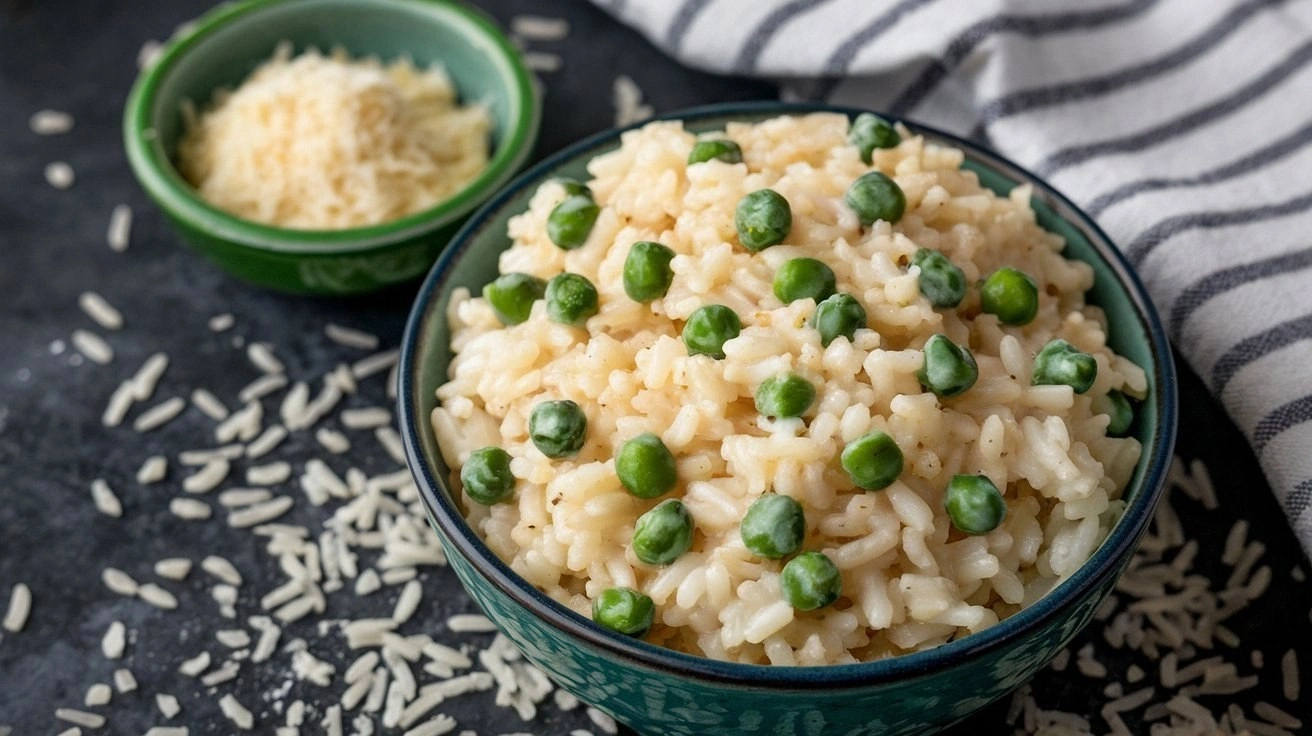
- Visual Appeal: The vibrant green of the peas against the golden rice creates a dish that looks as good as it tastes.
- Versatility: Works as a side, a main, or a starter for any crowd—just scale the portions.
- Time Efficiency: Prep in 15 minutes, cook in 30, total 45—ideal for busy weeknights.
Inside the Ingredient List
The Flavor Base
At the heart of Risi e Bisi is a symphony of aromatics—finely chopped onion, minced garlic, and a splash of dry white wine. The onion provides a mellow sweetness that caramelizes when sautéed, while the garlic offers a punchy depth. The wine, when deglazed, lifts the flavors from the pan, creating a fragrant broth that infuses the rice and peas. Skipping any of these will leave the dish feeling flat; the onion alone can carry the dish, but the wine’s acidity is essential for balance.
The Texture Crew
Arborio rice, the star of the show, is a short‑grain rice that releases starch during cooking, giving the dish a silky, almost creamy consistency. Peas, whether fresh or frozen, contribute a sweet burst of color and a pleasant bite. Butter adds a subtle richness that coats the grains, while olive oil provides a clean, fruity background. If you prefer a vegan version, simply replace the butter with a drizzle of extra‑virgin olive oil.
The Unexpected Star
Pancetta, diced and browned until crisp, is optional but a game‑changer. The rendered fat adds a smoky, savory depth that contrasts beautifully with the sweet peas. If you’re watching sodium, you can skip the pancetta or use a low‑salt version. For a vegetarian twist, a handful of toasted pine nuts or slivered almonds can mimic the crunch and add a nutty flavor profile.
The Final Flourish
Fresh parsley and a squeeze of lemon juice are the finishing touches that brighten the dish and cut through the richness. Parsley adds a herbal brightness that lifts the entire plate, while lemon juice provides a bright, citrusy note that balances the sweet peas and savory broth. These ingredients are added at the end, just before serving, to preserve their vibrant color and flavor.
Everything's prepped? Good. Let's get into the real action…
The Method — Step by Step
- In a medium‑sized heavy‑bottom pot, heat the olive oil over medium heat. Add the diced pancetta (if using) and cook until it releases its fat and turns golden brown, about 3–4 minutes. The pancetta will form a flavorful base for the dish; if you’re avoiding pork, skip this step and just use extra oil.
- Add the chopped onion to the pot and sauté until translucent, about 5 minutes. The onion should soften without browning. This is the moment the kitchen smells like a cozy Italian kitchen—watch the steam rise.
- Stir in the minced garlic and cook for 30 seconds until fragrant. Be careful not to let it burn; a burnt garlic bite will ruin the delicate balance of flavors.
- Pour in the white wine and let it reduce by half, about 2 minutes. The wine should evaporate almost entirely, leaving behind a concentrated, aromatic liquid that coats the rice.
- Add the arborio rice and stir to coat each grain with the buttery, wine‑infused mixture. Toast the rice for 2 minutes, ensuring it takes on a light golden hue.
- Begin adding the vegetable broth one ladle at a time, stirring constantly. Wait until each addition is almost fully absorbed before adding the next. This gradual absorption is key to achieving the creamy consistency.
- When the rice has absorbed about 3 cups of broth, stir in the peas and the bay leaf. Reduce heat to low, cover, and let the pot simmer for 12–15 minutes, or until the rice is al dente and the peas are tender.
- Remove the pot from heat, discard the bay leaf, and stir in the butter. The butter should melt, creating a glossy sheen on the surface of the dish. Finish with chopped parsley, a squeeze of lemon juice, and freshly ground pepper.
That's it — you did it. But hold on, I've got a few more tricks that'll take this to another level…
Insider Tricks for Flawless Results
The Temperature Rule Nobody Follows
Many cooks keep the heat too high, which leads to a watery risotto. Keep the heat on low after the initial sauté; this allows the rice to release its starch slowly and create that signature creaminess. I’ve seen dishes turn into mushy soup when the heat is too high, so trust me, slow and steady wins.
Why Your Nose Knows Best
Before you add the last ladle of broth, take a moment to smell the pot. If the aroma is sharp and vinegary, you’re still too far from the perfect balance; wait a few more minutes. The smell should be comforting, like a warm kitchen after a long day.
The 5‑Minute Rest That Changes Everything
After you’ve finished cooking, let the dish sit covered for 5 minutes. This brief rest allows the rice to absorb any remaining liquid and the flavors to meld. It also gives the peas a chance to soften slightly, ensuring each bite is consistent.
Use a Lid with a Vent
A lid that vents steam prevents the pot from boiling over. This is especially helpful when you’re simmering on a high‑heat stove. A vented lid keeps the pot from splattering, saving you from a cleanup nightmare.
Finish with a Touch of Freshness
Just before serving, add a splash of lemon juice and a handful of fresh parsley. The acidity brightens the dish, and the parsley adds a pop of color. Don’t skip this final step—your taste buds will thank you.
Keep the Peas Fresh
Frozen peas are fine, but fresh peas give a brighter flavor and a firmer bite. If you’re using frozen peas, thaw them in cold water and pat them dry before adding to the pot to prevent excess moisture.
Creative Twists and Variations
This recipe is a playground. Here are some of my favorite ways to switch things up:
Sun‑Dried Tomato & Basil Version
Replace the parsley with chopped sun‑dried tomatoes and fresh basil. The tomatoes add a sweet, umami depth, while basil brings a fragrant freshness that pairs beautifully with the rice.
Spinach & Mushroom Remix
Stir in sautéed mushrooms and fresh spinach during the final 5 minutes of cooking. The mushrooms add earthiness, and the spinach gives a burst of green that’s both healthy and visually stunning.
Seafood Surprise
Add a handful of shrimp or mussels in the last 5 minutes of simmering. The seafood’s delicate flavor and slightly chewy texture add a luxurious twist to the classic dish.
Vegan Delight
Omit the pancetta and butter, and use a vegetable broth that’s free of animal products. Finish with a drizzle of nutritional yeast for a cheesy flavor without the dairy.
Spicy Kick
Introduce a pinch of red pepper flakes or a small diced jalapeño when sautéing the onions. The heat will cut through the richness and add an exciting layer of flavor.
Nutty Crunch
Toast a handful of pine nuts or slivered almonds in a dry skillet and sprinkle them over the finished dish. The crunch and nutty aroma provide a delightful contrast to the creamy base.
Storing and Bringing It Back to Life
Fridge Storage
Cool the dish completely before transferring it to an airtight container. Store in the refrigerator for up to 3 days. The rice will firm slightly, so reheat with a splash of water to restore its creaminess.
Freezer Friendly
Divide the dish into individual portions in freezer‑safe containers or zip‑lock bags. Freeze for up to 2 months. Thaw overnight in the refrigerator before reheating.
Best Reheating Method
Reheat on the stovetop over low heat, stirring constantly, and add a tablespoon of water or broth to loosen the mixture. A quick microwave session is also fine—just stir halfway through to ensure even heating.