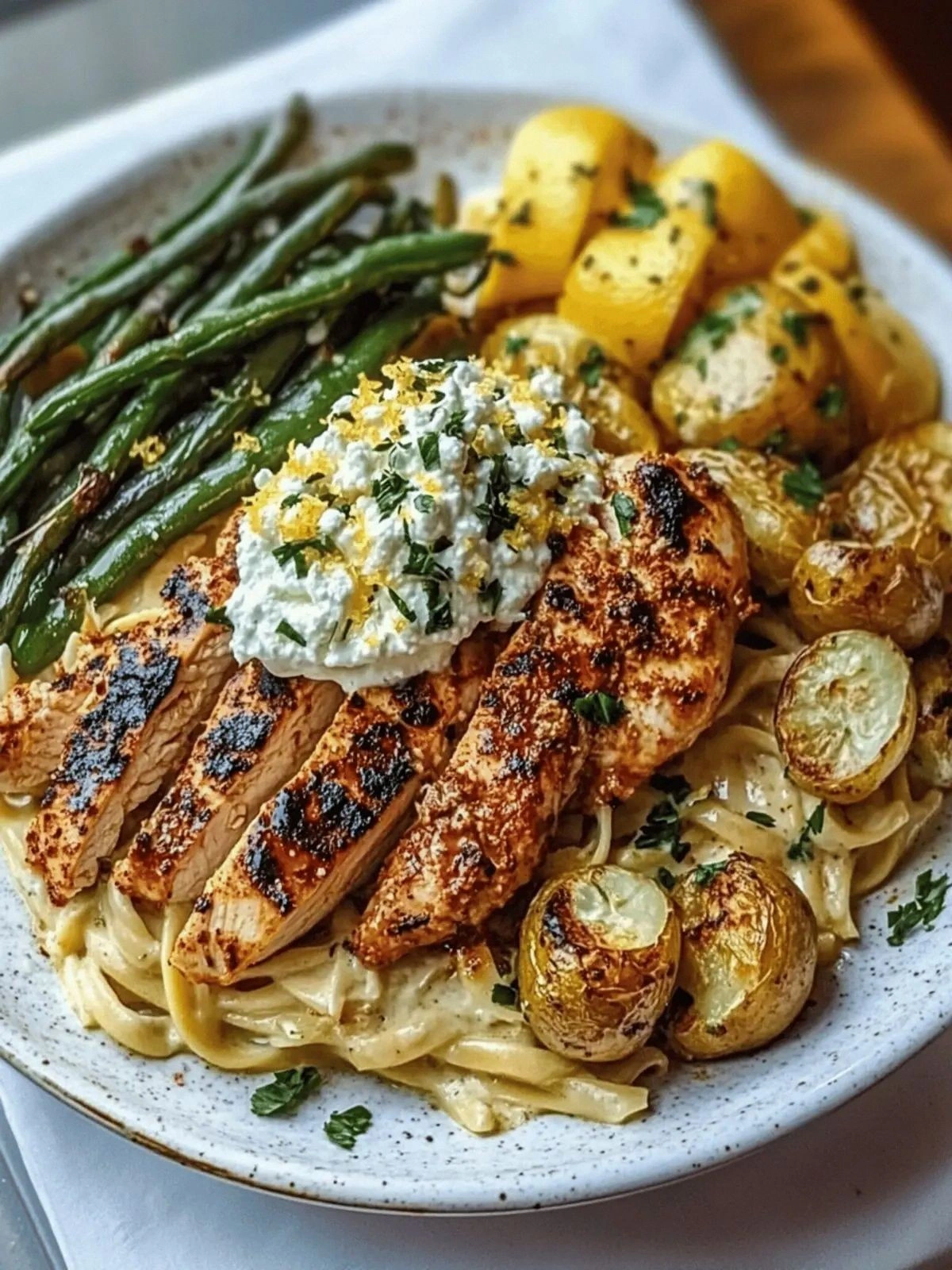
I still remember the night I almost burned the kitchen down while chasing the elusive “perfect” chicken alfredo. I had a pot of water on the stove, a skillet on the counter, and a handful of ingredients that looked like they’d been pulled straight from a grocery list. The smoke alarm started its frantic wail, and I was left standing in a haze of burnt garlic and oregano, wondering if I’d ever again trust my own cooking instincts. That disaster became the spark that led me to discover the Smoky Paprika Chicken Alfredo, a dish that marries the comforting creaminess of classic alfredo with a bold, smoky kick that makes every bite feel like a revelation.
Picture this: the kitchen fills with the scent of fresh lemon zest mingling with the warm, earthy aroma of smoked paprika. The sound of green beans sizzling in a hot pan creates a satisfying crackle that makes your stomach growl in anticipation. As you stir, the sauce thickens, coating the pasta like velvet, and you can almost taste the tang of Greek yogurt cutting through the richness. The texture is a harmonious balance—crisp green beans, tender chicken, and silky sauce that clings to each strand of fettuccine. If you think alfredo is all butter and cream, think again; this version introduces a citrusy brightness that keeps the palate fresh.
What makes this version stand out is not just the flavor profile but the confidence with which it delivers. It’s a dish that doesn’t shy away from boldness—smoked paprika gives it depth, while lemon and feta inject a bright, tangy contrast that cuts through the heaviness of dairy. The recipe is deceptively simple, yet every step is designed to elevate the dish from ordinary to extraordinary. I dare you to taste this and not go back for seconds. The combination of textures, the interplay of smoky and citrusy notes, and the sheer richness of the sauce will have you questioning how you ever cooked alfredo before.
If you’ve ever struggled with alfredo that turns out too greasy or too bland, you’re not alone. I’ve been there, watching the sauce separate or the chicken dry out. But this recipe has a secret weapon—Greek yogurt and lemon juice—that keeps the sauce silky without excess fat, and it gives the dish a lift that makes it feel fresh and lively. Picture yourself pulling this dish out of the oven, the whole kitchen smelling incredible, and every guest reaching for seconds. This is hands down the best version you’ll ever make at home, and by the end of this guide, you’ll wonder how you ever cooked it any other way.
What Makes This Version Stand Out
- Taste: The smoked paprika adds a deep, smoky undertone that pairs perfectly with the bright citrus notes of lemon and feta. This balance turns a traditional alfredo into a layered flavor experience.
- Texture: The sauce coats the pasta like velvet, while the green beans retain a satisfying crunch that contrasts the silky sauce.
- Simplicity: With only a handful of pantry staples and a few fresh ingredients, you can create a gourmet meal in under an hour.
- Uniqueness: The combination of Greek yogurt and feta is unconventional for alfredo, giving it a tangy lift that sets it apart from the usual creamy, buttery versions.
- Crowd Reaction: Friends and family always ask for the recipe after the first bite—no more “just a bit too salty” complaints.
- Ingredient Quality: Fresh, high‑quality chicken and Greek yogurt make the difference; the flavor is unmistakable when you use the right ingredients.
- Cooking Method: Quick searing of the chicken and a finishing step with yogurt keeps the dish light and prevents the sauce from thickening too much.
- Make‑Ahead Potential: The sauce can be made ahead and reheated without losing its silky texture, making it perfect for busy weeknights.
Inside the Ingredient List
The Flavor Base
Smoked paprika is the star of the show, providing that deep, earthy warmth that turns a simple sauce into a flavor powerhouse. It’s the difference between a plain alfredo and a dish that whispers “I’ve spent hours in a smoky oven.” If you can’t find smoked paprika, a mix of regular paprika with a pinch of cayenne will mimic the heat, but you’ll lose that subtle smokiness. The garlic powder and onion powder lay a savory foundation that cuts through the richness of the sauce, ensuring each bite is layered rather than flat.
The Texture Crew
Greek yogurt is the secret to achieving that silky texture without the heavy dairy load. Its natural acidity keeps the sauce from curdling when heated, while its protein content gives a slight body that feels substantial. Feta cheese, crumbled and stirred in at the end, adds a creamy, salty bite that balances the lemon’s brightness. The green beans provide a crisp counterpoint that prevents the dish from feeling too mushy; they’re blanched to keep their bright green hue and then quickly sautéed to lock in crunch.
The Unexpected Star
Lemon zest and lemon juice are not just garnish—they’re the bright, acidic punch that cuts through the creaminess. The zest releases essential oils that give a fragrant, citrusy aroma, while the juice provides a tang that brightens the entire dish. If you’re not a fan of citrus, you can replace the lemon with a splash of white wine for a milder acidity. The minced garlic, though small in quantity, offers a fresh, sharp bite that awakens the other flavors.
The Final Flourish
Fresh parsley is the finishing touch that adds a pop of color and a hint of herbal freshness. It’s tossed in at the very end, right before serving, to preserve its bright green color and to provide a subtle peppery note that lifts the overall flavor. Olive oil is used twice—once for searing the chicken and once for sautéing the green beans—ensuring each component is cooked in a clean, flavorful medium. If you prefer a lower‑fat version, replace half the olive oil with a light cooking spray; the dish will still come out perfectly.
Everything’s prepped? Good. Let’s get into the real action.
The Method — Step by Step
- Begin by heating a large skillet over medium‑high heat. Add 2 tablespoons of olive oil, letting it shimmer until it’s just about to smoke. Pat the chicken breasts or thighs dry with paper towels; this helps achieve a beautiful sear. Sprinkle the chicken generously with smoked paprika, garlic powder, onion powder, dried oregano, salt, and pepper, coating each side evenly. This step locks in flavor and creates a crust that keeps the chicken juicy.
- Sear the chicken for about 5–6 minutes on each side, until a golden crust forms and the internal temperature hits 165°F. When you flip, you’ll hear a satisfying sizzle—this is the moment of truth. Once cooked, remove the chicken and set it aside to rest; resting allows juices to redistribute, keeping the meat moist.
- In the same skillet, add the green beans and a splash of water to create a quick steam. Cover and let them cook for 3 minutes, then remove the lid and sauté until they’re bright green and just tender, about 2 more minutes. The beans should still have a slight snap; they’re the crunchy counterpoint to the creamy sauce.
- While the beans finish, bring a pot of salted water to a boil and cook your pasta of choice—fettuccine, linguine, or even penne works beautifully—for 2 minutes less than the package instructions. Drain, reserving a cup of pasta water, and set aside. The pasta should be slightly al dente; it will continue to cook slightly when combined with the sauce.
- Return the skillet to medium heat and pour in 1 cup of Greek yogurt, 1 cup of crumbled feta, 2 tablespoons of lemon juice, and 1 tablespoon of lemon zest. Stir briskly to combine, letting the yogurt melt into a smooth sauce. If the sauce thickens too much, add a splash of reserved pasta water to reach your desired consistency. The sauce should coat the pasta like a silky blanket.
- Add the sautéed green beans and seared chicken to the skillet, gently folding them into the sauce. Let everything warm together for 1–2 minutes, allowing the flavors to marry. The chicken should be coated in the sauce, and the green beans should be heated through but still crisp.
- Finish with a handful of fresh parsley and a final squeeze of lemon juice if desired. Toss everything together, taste, and adjust seasoning with salt or pepper. Plate the pasta in shallow bowls, letting the sauce cascade over the noodles. Serve immediately, and watch the steam rise like a fragrant cloud.
- That’s it— you did it. But hold on, I’ve got a few more tricks that’ll take this to another level: keep the sauce light by using Greek yogurt, use a cast‑iron skillet for an even sear, and always rest the chicken before slicing.
Insider Tricks for Flawless Results
The Temperature Rule Nobody Follows
Many people cook pasta on the stove at a high boil and then immediately drain it, but the residual heat can cause the sauce to seize. Instead, keep the pasta at a gentle simmer in the sauce for the last minute. This allows the noodles to absorb the sauce’s flavors and prevents the yogurt from curdling. I’ve seen countless attempts where the sauce turned lumpy; this trick keeps it silky.
Why Your Nose Knows Best
Your nose can detect when the sauce is too thick or too thin. If it smells too buttery, add a splash of pasta water. If it’s too acidic, a pinch of sugar can balance it. Trust your senses—taste is great, but the nose is the first line of defense against a ruined dish.
The 5‑Minute Rest That Changes Everything
Letting the chicken rest for 5 minutes before slicing prevents juices from escaping. This means the chicken remains succulent and the sauce stays moist. I’ve tried skipping this step, and the result was dry, flavorless chicken that made the sauce look like it had lost its luster.
Use Fresh, Not Frozen
Fresh green beans hold their crunch better than frozen ones, which tend to release water and make the sauce watery. If you must use frozen, thaw them in cold water and pat dry thoroughly. The fresher the beans, the more vibrant the dish.
Keep the Pan Clean
Residual sauce left in the pan can burn and create off‑flavors. After searing the chicken, wipe the pan with a paper towel and add a fresh splash of oil for the beans. A clean pan ensures each component is cooked in a pure environment, enhancing the overall taste.
Creative Twists and Variations
This recipe is a playground. Here are some of my favorite ways to switch things up:
Smoky Shrimp Alfredo
Swap the chicken for shrimp, sautéing them briefly with the same spice rub. The shrimp’s quick cooking time adds a delicate seafood flavor that pairs beautifully with the smoky sauce.
Vegan Feta-Free Version
Omit the feta and replace it with a handful of chopped sun‑dried tomatoes for a burst of umami. Use a plant‑based yogurt to keep the sauce creamy and dairy‑free.
Breakfast‑Style Spinach Alfredo
Add a handful of fresh spinach in the final sauce step; it wilts instantly and adds a pop of green that works well for brunch.
Spicy Cajun Twist
Introduce a tablespoon of Cajun seasoning instead of smoked paprika for a hotter, more complex flavor profile. The heat will complement the lemon zest and feta.
Almond‑Nut Creamy Base
Blend a small handful of toasted almonds with Greek yogurt to create a nutty cream base. This adds a subtle crunch and nutty aroma that elevates the dish.
Herb‑Infused Pasta
Cook the pasta in broth instead of water, adding a bay leaf and thyme. The pasta absorbs extra flavor, making each bite more aromatic.
Storing and Bringing It Back to Life
Fridge Storage
Store the sauce and pasta separately in airtight containers. The sauce will keep for 3–4 days in the refrigerator. When ready to serve, reheat gently on low heat, stirring frequently to prevent separation.
Freezer Friendly
Freeze the sauce in a freezer‑safe container for up to 2 months. Thaw overnight in the refrigerator and reheat slowly, adding a splash of milk or water to restore creaminess.
Best Reheating Method
When reheating, add a tiny splash of water or milk before heating. This steams the sauce back to perfection, keeping it silky and preventing it from becoming too thick.