I still remember the day my sourdough starter died. Not just died — it staged a dramatic exit, complete with a layer of grey fuzz that looked like it belonged in a sci-fi movie rather than my kitchen. I stood there, wooden spoon in hand, mourning three months of patient feeding, bubbling, and whispering sweet nothings to a jar of flour and water. But here's the thing about failure: it has a way of pushing you toward something better. That kitchen disaster led me down a rabbit hole of flour types, hydration percentages, and late-night baking sessions that would make my neighbors question my sanity at 2 AM.
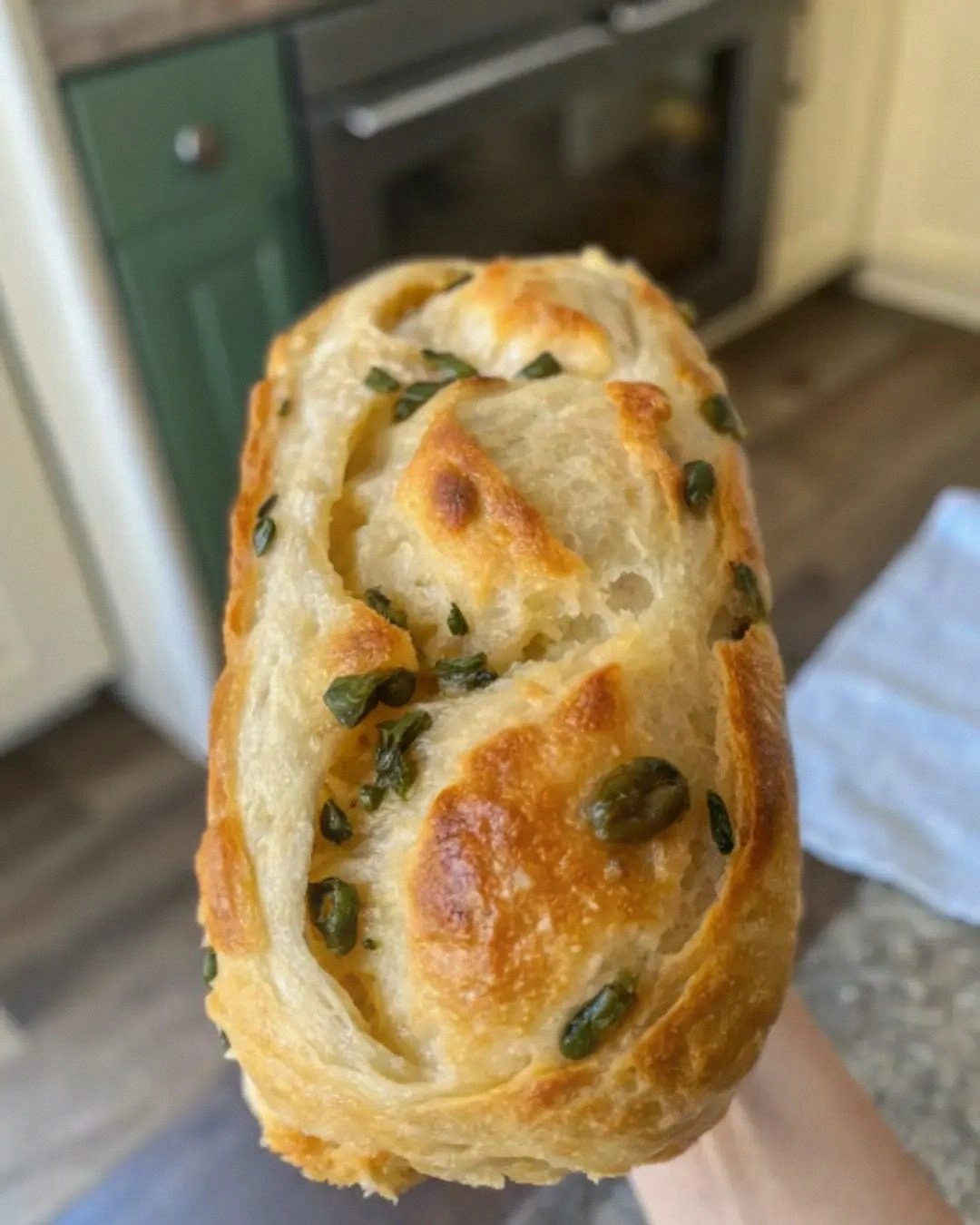
After weeks of what can only be described as bread-induced insomnia, I stumbled upon a combination that made my taste buds do a standing ovation. The moment I cracked open that first successful loaf — this loaf — the kitchen filled with a smell so intoxicating, so deeply comforting, that I actually forgot to breathe for a second. The crust sang its crackling song, those beautiful expansion marks (bakers call them "ears") lifted like they were proud to be part of something extraordinary. Inside, the crumb was tender and irregular, shot through with those glossy, gelatinized bubbles that tell you this isn't just bread — this is edible poetry.
But let me back up a bit. You see, I'd been chasing the dragon of the perfect sourdough for months. Most recipes left me with loaves that were either too dense (basically a very expensive paperweight) or so open-crumbed that my sandwich fixings fell through the holes like sad little bread elevators. The game-changer? Olive oil and egg. Sounds simple, maybe even unnecessary, but trust me — this is the baking equivalent of discovering that your quiet neighbor is secretly a rock star. The olive oil creates this incredible suppleness in the dough, while the egg adds richness and helps develop that shatteringly crisp crust that gives way to the softest, most tender interior you've ever experienced.
Picture yourself pulling this out of the oven, the whole kitchen smelling like a French bakery had a beautiful collision with an Italian countryside kitchen. The crust is so deeply golden it practically glows, and when you tap it, the sound is hollow and promising. Your first slice reveals a crumb that's both airy and substantial, with those irregular holes that are the hallmark of proper fermentation. The flavor? Complex, tangy, with subtle fruity notes from the olive oil and a richness from the egg that makes you wonder why anyone ever makes bread without it. Let me walk you through every single step — by the end, you'll wonder how you ever made it any other way.
What Makes This Version Stand Out
Taste Explosion: The combination of sourdough tang with fruity olive oil creates a flavor profile that's unlike anything you've tasted before. It's like your favorite bakery bread went on vacation to Tuscany and came back with stories and a sun-kissed glow.
Texture Perfection: We're talking about a crust that shatters like thin ice under your knife, revealing an interior so soft and pillowy it could double as a cloud. Most recipes force you to choose between crusty or soft — this one gives you both, because you're worth it.
Foolproof Method: I've stripped away all the intimidating baker's percentages and confusing terminology. If you can mix ingredients in a bowl and wait (the hardest part), you can make this bread. Even my friend who once burned water managed to nail this on her first try.
Unexpected Ingredients: The egg isn't just for richness — it's your secret weapon for achieving that bakery-quality shine and color. The olive oil doesn't just add flavor; it extends the bread's shelf life naturally, meaning you can enjoy this for days, not hours.
Crowd Reaction: I dare you to taste this and not go back for seconds. When I brought this to a dinner party, people stopped mid-conversation. One guest actually wrapped half the loaf in a napkin and tried to sneak it home. I caught her, but honestly, I respected the move.
Quality Over Everything: This isn't about fancy equipment or artisanal flour milled by monks (though if you have that, go for it). It's about understanding how each ingredient works together to create something greater than the sum of its parts.
Make-Ahead Magic: The dough actually improves with an overnight rest in the fridge. This means you can prep it on Saturday, sleep in on Sunday, and still have fresh bread for brunch. Future you will thank present you for this foresight.
Alright, let's break down exactly what goes into this masterpiece...
Inside the Ingredient List
The Flavor Foundation
Active sourdough starter is the heart and soul of this bread, but here's what most recipes won't tell you: it doesn't need to be at peak activity. In fact, a starter that's just past its prime adds deeper, more complex flavors. You're looking for that sweet spot where it's doubled in size but hasn't started to deflate yet. The bubbles should be visible but not bursting with urgency — think of it as your starter taking a leisurely afternoon nap rather than partying at full volume.
Bread flour provides the gluten structure we need for those beautiful air pockets. Don't substitute all-purpose here unless you enjoy eating dense bricks. The higher protein content (12-14%) creates the strong gluten network that traps all that lovely carbon dioxide from fermentation. If you can find it, King Arthur's bread flour is my gold standard, but any high-protein bread flour will work wonders.
The Texture Transformers
Extra virgin olive oil isn't just a flavor addition — it's a game-changer for the dough's structure. The fat coats the gluten strands, creating a more extensible dough that stretches rather than tears. Use a good quality oil here, something you'd be happy to dip bread into. That grassy, peppery flavor will permeate the entire loaf, so skip the cheap stuff that tastes like motor oil.
One large egg does more than you'd think. The yolk adds richness and color, while the proteins in the white help strengthen the dough structure. Plus, if you reserve a teaspoon of the egg white for brushing before baking, you'll get that glossy, bakery-window shine that makes people think you're a professional baker. Pro tip: use an egg from a local farmer if possible — the yolks are usually deeper orange, adding a gorgeous golden hue to your crust.
The Fermentation Fuel
Warm water activates our yeast and starts the gluten development. Not hot, not cold — think baby bath temperature. Too hot and you'll murder your starter, too cold and everything moves at glacial speed. I test with my wrist: if it feels comfortably warm but not hot, it's perfect. The amount matters too — we're going for a 75% hydration dough, which sounds scary but creates that perfect balance between manageable and authentically artisanal.
Sea salt isn't just for flavor (though under-salted bread is a crime against humanity). It strengthens gluten, controls fermentation speed, and enhances all the subtle flavors we've worked so hard to develop. Skip the iodized table salt — it can make your bread taste metallic. Instead, opt for a good sea salt or even better, some flaky salt for the final sprinkle before baking.
The Final Flourish
Semolina flour for dusting isn't mandatory, but trust me on this one. It creates a slightly gritty, golden bottom crust that adds incredible textural contrast. Plus, it prevents sticking better than regular flour, which means your beautiful loaf slides off the peel or baking sheet with confidence rather than the tragic half-slide, half-tear that haunts baker's nightmares.
Everything's prepped? Good. Let's get into the real action...
The Method — Step by Step
- Start by mixing your active starter with warm water in a large bowl. Use your hand like a human whisk, breaking up the starter until the water looks milky and slightly cloudy. This should take about 30 seconds of enthusiastic swirling. The mixture should smell tangy and alive, like it's been working out at the gym. If your starter is particularly thick, don't worry — just keep working it until it's mostly dissolved. This step ensures even distribution of yeast throughout your dough, preventing those sad, dense spots that plague beginner loaves.
- Add the olive oil and egg, beating them into the starter mixture with the same hand-whisk motion. The oil will initially sit on top like it's too cool for school, but keep going. After about a minute, you'll see it start to emulsify, creating a smooth, slightly frothy mixture that looks like liquid sunshine. The egg will add a pale yellow color and richness that makes you want to drink it (don't). This is where most recipes get it wrong — they add these later, but incorporating them now ensures they're fully distributed.
- In a separate bowl, whisk together your bread flour and salt. This isn't just busy work — it prevents salt pockets that can kill yeast on contact. Nobody wants dead yeast spots in their beautiful bread. The flour should feel cool and silky between your fingers, and when you lift some and let it fall, it should cascade like a slow-motion waterfall. That's how you know it's properly aerated and ready to work its magic.
- Pour the flour mixture into your wet ingredients all at once. Now, resist the urge to grab a spoon — your hands are your best tools here. Start by squeezing the mixture through your fingers, like you're giving it a very aggressive massage. It will look shaggy and rough, like something the cat dragged in. Keep working it for about 2 minutes until no dry flour remains. The dough will be sticky and want to cling to everything, including your soul. This is normal. Embrace the mess.
- Cover the bowl with a damp towel and let it rest for 30 minutes. This autolyse period is where the magic begins — the flour hydrates, gluten starts developing without any kneading, and enzymes begin breaking down starches into sugars. It's like giving your dough a head start in a race. During this time, the mixture will transform from a rough, shaggy mess into something that actually resembles dough. You'll see the difference when you return — it's smoother, more cohesive, and somehow looks more confident about its life choices.
- Now for the fun part: folding. Instead of traditional kneading, we'll use the stretch-and-fold method. Wet your hand (prevents sticking), reach under the dough, grab a handful, and stretch it up until it resists, then fold it over itself. Rotate the bowl a quarter turn and repeat. Do this 8-10 times until the dough starts to feel bouncy and elastic. It should go from a slack, lifeless blob to something with personality and strength. If you've ever played with slime as a kid, it's similar — but way more rewarding.
- Cover the bowl again and let it rise at room temperature for 4-5 hours. This is where patience becomes a virtue. The dough should nearly double in size, developing a domed top that's slightly rounded and jiggly like a waterbed. You'll see bubbles forming under the surface if you look at the side of the bowl — that's carbon dioxide from happy yeast parties. The smell will evolve from raw flour to something complex and slightly tangy, like yogurt meeting fresh rain.
- Time to shape. Gently turn the dough out onto a lightly floured surface, trying not to deflate all those precious bubbles. Using floured hands, pat it into a rough rectangle, then fold the top third down, the bottom third up (like a letter). Rotate 90 degrees and repeat. This builds surface tension, creating that beautiful round shape. Flip it seam-side down and cup your hands around it, pulling it toward you to create even more tension. It should feel like a full, happy balloon ready for a party.
- Place your shaped loaf seam-side up in a well-floured banneton or a bowl lined with a floured tea towel. Cover and refrigerate overnight, or up to 24 hours. This cold retardation is the secret weapon — it develops flavor, improves the crust, and makes the bread easier to score. The dough will rise slowly in the cold, developing a skin that helps maintain its shape. Plus, there's something deeply satisfying about knowing your bread is working hard while you sleep.
That's it — you did it. But hold on, I've got a few more tricks that'll take this to another level...
Insider Tricks for Flawless Results
The Temperature Rule Nobody Follows
Here's what separates good bread from great bread: internal temperature. When you think it's done, insert an instant-read thermometer into the center. You're looking for 205-210°F (96-99°C). I know, I know — you want to go by color and sound, and those matter, but temperature doesn't lie. My friend Sarah swore by the "hollow thump" method until she served me a loaf that looked perfect but tasted like raw dough inside. Don't be Sarah. The thermometer is your friend, not a sign of weakness.
Why Your Nose Knows Best
The smell test is real, but not how you think. When the bread is perfectly done, your kitchen will smell like toasted nuts and caramel, not just "bread-smelling." That aroma indicates the Maillard reaction is in full swing, creating hundreds of flavor compounds. If you pull it too early, you'll get pale, floury-tasting bread. Too late, and it develops a bitter, burnt flavor. Trust your nose, but verify with that thermometer. The combination of smell and temperature has never failed me, even when I'm simultaneously cooking three other dishes and arguing with my cat about staying off the counter.
The 5-Minute Rest That Changes Everything
After baking, resist the urge to immediately slice into your masterpiece. I know it looks incredible, and the smell is driving you crazy, but wait. Five minutes on a wire rack allows the steam to redistribute, finishing the cooking process internally. Cut too soon, and you'll have gummy spots near the center. Plus, bread that's slightly cooled holds together better for slicing. Use this time to take photos, make coffee, or just bask in the glory of what you've created. Trust me, it's worth the wait.
The Scoring Secret
That beautiful pattern on artisan loaves isn't just for show — it's functional. Use a sharp razor blade or lame, and cut at a 45-degree angle about 1/4-inch deep. The cuts allow controlled expansion, preventing random ruptures. But here's the pro tip: wet your blade between cuts. It prevents dragging and creates cleaner lines. My first attempts looked like Freddy Krueger attacked my bread. Now, people ask if I bought it from a bakery. The difference? A damp razor blade and confidence in your cuts.
The Storage Game-Changer
Never store warm bread in plastic — you'll create condensation that ruins the crust. Instead, let it cool completely, then store cut-side down on a cutting board for the first day. After that, wrap in a clean kitchen towel and place in a paper bag. This maintains the crust while preventing excessive drying. For longer storage, slice and freeze in a single layer before transferring to a freezer bag. Toast directly from frozen for best results. Refrigeration is the enemy here — it actually speeds up staling.
Creative Twists and Variations
This recipe is a playground. Here are some of my favorite ways to switch things up:
The Mediterranean Dream
Add 1/4 cup chopped sun-dried tomatoes and 2 tablespoons chopped fresh rosemary during the final fold. The tomatoes rehydrate slightly during baking, creating little pockets of intense umami, while the rosemary perfumes the entire loaf. Brush the crust with olive oil infused with garlic and herbs before baking. It's like taking a vacation to the Amalfi Coast, minus the expensive plane ticket and the sunburn.
The Everything Bagel Bread
Mix 2 tablespoons of everything bagel seasoning into the dough during the final fold. Reserve some for sprinkling on top before baking. The combination of sesame, poppy seeds, garlic, and onion creates an addictive flavor that makes toast absolutely unnecessary. This version disappears faster than free pizza at a college party. I once made two loaves for a brunch, and my guests finished both before the coffee was even ready.
The Sweet and Savory
Add 3 tablespoons honey and replace the olive oil with melted butter. Fold in 1/2 cup toasted walnuts during the final shaping. The result is a loaf that walks the line between dinner bread and dessert. It's incredible with sharp cheese, fig jam, or just a generous smear of good butter. The honey adds a subtle sweetness that brings out the sourdough's natural tang, creating a complex flavor that keeps you coming back for "just one more slice" until the whole thing's gone.
The Seedy Superfood
Add 3 tablespoons each of flax seeds, chia seeds, and pumpkin seeds during the final fold. These add incredible nutrition, texture, and a nutty flavor that complements the sourdough perfectly. The seeds also add visual appeal, making your loaf look like something from a high-end bakery. Toast slices and top with avocado for the ultimate Instagram-worthy breakfast. Bonus: your gut will thank you for all that fiber.
The Chocolate Cherry
This sounds crazy, but add 1/4 cup chopped dark chocolate and 1/4 cup dried cherries during the final fold. The chocolate melts into tiny pockets of gooey richness, while the cherries provide tart bursts that cut through the richness. It's like dessert bread, perfect for breakfast with coffee or as an afternoon pick-me-up. My chocolate-loving friends go wild for this version. It's sophisticated enough for adults but playful enough to make you feel like a kid again.
The Spicy Surprise
Add 1 teaspoon smoked paprika and 1/2 teaspoon cayenne to the flour mixture. Fold in 1/4 cup chopped roasted red peppers during the final shaping. The result is a loaf with a gorgeous reddish hue and a subtle heat that builds as you eat. It's incredible for sandwiches — especially grilled cheese — or just toasted with butter. The smoky paprika adds depth that makes this anything but ordinary bread. Warning: once you try this, plain bread will seem boring.
Storing and Bringing It Back to Life
Fridge Storage
Despite what your grandmother might have told you, bread doesn't belong in the fridge. The cold temperature actually accelerates staling, turning your beautiful loaf into cardboard faster than you can say "sandwich." Instead, keep it at room temperature, wrapped in a clean kitchen towel inside a paper bag. This setup allows just enough air circulation to maintain the crust while preventing the bread from drying out. If you live somewhere humid, you might need to adjust — maybe skip the paper bag and just use the towel. The bread will stay fresh for 2-3 days, though honestly, mine never lasts that long because people keep "just having a slice" until it's gone.
Freezer Friendly
Here's where freezing shines: slice the entire loaf once it's completely cooled. Lay the slices in a single layer on a baking sheet and freeze until solid, about 2 hours. Then transfer to a freezer bag, removing as much air as possible. This prevents slices from sticking together, so you can grab exactly what you need. Frozen bread maintains quality for up to 3 months, though I doubt you'll need that long. To revive, pop slices directly into the toaster or warm in a 350°F oven for 8-10 minutes. It emerges almost as good as fresh — crispy outside, soft inside, ready for whatever topping your heart desires.
Best Reheating Method
For whole loaves that have gone slightly stale, here's my resurrection method: run the cut surface under cold water for 2-3 seconds — just enough to dampen, not soak. Wrap in foil and place in a 400°F oven for 10-12 minutes. The steam created inside the foil rehydrates the crumb while the hot oven crisps the crust. It's like bread necromancy. Add a tiny splash of water before reheating — it steams back to perfection. This method works so well, I've revived 5-day-old bread that tasted like it was baked that morning. Just be careful unwrapping the foil — that steam is hot enough to remind you it's not messing around.