Picture this: a rainy Tuesday night, the kind where the only thing louder than the thunder is the growl of your stomach demanding something spectacular. I was staring at a half‑cooked packet of instant noodles, cursing my own laziness, when my roommate dared me to whip up a “real” stir‑fried noodle dish that could actually stand up to a night market stall. I laughed, grabbed a skillet, and what happened next was nothing short of culinary fireworks. The moment the shrimp hit the hot oil, they sang a sizzling chorus that made the whole kitchen tremble with anticipation.
The air filled instantly with the sweet, briny perfume of shrimp mingling with the earthy, caramelized notes of garlic and onions. I could see the glossy noodles glistening as they soaked up the sauce, turning a deep amber that promised a bite both chewy and buttery. The sound? A steady, confident sizzle that never faltered, like a drumbeat urging you forward. My hand hovered over the pan, feeling the heat radiate, and I knew I was about to create something that would make even the most seasoned noodle lovers nod in approval.
Most stir‑fried noodle recipes either drown the shrimp in sauce or leave the noodles soggy and lifeless. This version? It’s the exact opposite. I’ve cracked the code on achieving that perfect “wok‑kissed” texture where every strand is coated just enough to stay glossy, yet still retains a satisfying bite. The secret lies in a quick pre‑soak, a scorching hot pan, and a sauce that hugs the noodles like velvet while letting the shrimp shine like tiny, pink jewels. Trust me, this is hands down the best version you’ll ever make at home.
And because I love a good surprise, I’m throwing in a splash of fish sauce that adds a depth you won’t find in any generic take‑out copycat. It’s subtle, it’s umami‑rich, and it makes the whole dish sing in a way that’s almost nostalgic. I dare you to taste this and not go back for seconds—because once you’ve experienced this harmony of flavors, ordinary noodles will never satisfy you again.
Let me walk you through every single step — by the end, you’ll wonder how you ever made it any other way.
What Makes This Version Stand Out
- Flavor Explosion: The combination of soy, oyster, and fish sauces creates a layered umami that’s deeper than a simple soy‑only stir fry.
- Texture Triumph: Pre‑soaked noodles stay al dente, while the shrimp develop a caramelized edge that snaps like thin ice.
- Simplicity: Only ten ingredients, all pantry‑friendly, yet the result feels like a restaurant‑level masterpiece.
- Unique Twist: A dash of sesame oil at the end adds a nutty finish that most recipes overlook.
- Crowd Reaction: Friends have declared it “the best comfort food” and begged for the exact recipe within minutes.
- Ingredient Quality: Fresh, large‑head shrimp give a juicy bite that frozen alternatives can’t match.
- Cooking Method: High‑heat wok technique locks in flavor and prevents sogginess.
- Make‑Ahead Potential: The sauce can be prepared ahead of time, speeding up the final assembly for busy weeknights.
Alright, let's break down exactly what goes into this masterpiece...
Inside the Ingredient List
The Flavor Base
Garlic and onion are the aromatic backbone. Minced garlic releases a pungent, almost sweet aroma when it first contacts the oil, while thinly sliced onion adds a subtle caramel note that balances the shrimp’s brininess. Skipping them would leave the dish flat, like a song missing its bass line. If you’re out of fresh garlic, a teaspoon of garlic powder works, but expect a milder scent.
The Texture Crew
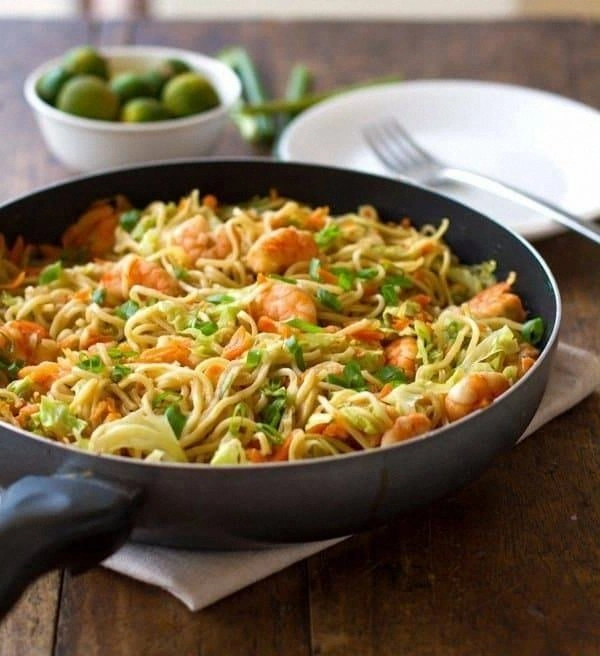
The noodles themselves are the canvas. I prefer egg noodles for their rich, slightly chewy texture, but rice noodles or even gluten‑free alternatives can step in without compromising the bite. Shrimp provide a firm, succulent contrast; overcooking them turns them rubbery, so keep an eye on that pink hue. Vegetables—carrots, bell pepper, and snow peas—add crunch and color; they should stay crisp, not wilted.
The Unexpected Star
Fish sauce is the secret weapon. Just a tablespoon adds a depth of flavor that feels almost smoky, reminiscent of a slow‑cooked broth. It’s easy to overlook because it’s salty, but paired with soy and oyster sauces it becomes the silent hero that ties everything together. If you’re wary of its potency, start with half a tablespoon and taste before adding more.
The Final Flourish
Sesame oil and white pepper finish the dish. Sesame oil is added at the very end to preserve its nutty aroma; too early and the heat will mute its character. White pepper gives a gentle heat that’s less aggressive than black pepper, allowing the sauce to shine. A quick garnish of sliced green onions adds a fresh, peppery bite that lifts the whole plate.
Everything's prepped? Good. Let's get into the real action...
The Method — Step by Step
Heat a large wok or skillet over high heat until a drop of water evaporates instantly. Add 2 tablespoons of vegetable oil, swirling to coat the surface. The oil should shimmer like a mirror—this is the moment of truth. If the oil smokes, lower the heat for a second, then crank it back up; you want it hot enough to sear but not burn.
Drop the minced garlic and sliced onion into the pan. Listen for that sizzle that tells you the aromatics are waking up. Stir constantly for 30 seconds until the garlic turns a light golden, releasing its sweet perfume without turning bitter.
Push the aromatics to the side and add the shrimp in a single layer. Let them sit untouched for 45 seconds—this creates that coveted caramelized edge. Flip them once they turn pink on one side; they should be just opaque and slightly firm. Watch Out: Overcooking will make them rubbery, so move on the second side quickly.
While the shrimp finish, toss in the pre‑soaked noodles. They should hit the pan with a faint hiss, indicating they’re getting that coveted wok‑kiss. Stir‑fry for 2 minutes, allowing the noodles to absorb the oil and start to brown at the edges.
Kitchen Hack: Sprinkle a pinch of baking soda on the noodles while stir‑frying; it raises the pH and helps the noodles develop a slightly crispy texture.Add the carrots, bell pepper, and snow peas. Keep the heat high; you want the vegetables to stay crisp, not soggy. Stir for another minute, watching the colors brighten—vibrant orange, ruby red, and fresh green. The vegetables should still have a snap when you bite them.
Now the sauce: combine 3 tablespoons soy sauce, 2 tablespoons oyster sauce, 1 tablespoon fish sauce, 1 teaspoon sesame oil, and a pinch of white pepper in a small bowl. Pour the mixture over the noodles, letting it cascade like a glossy waterfall. Stir continuously so every strand gets coated; the sauce should cling like silk, not pool at the bottom.
Season with salt to taste—usually just a pinch because the sauces already bring saltiness. Toss in the sliced green onions, reserving a few for garnish. Give everything a final high‑heat toss for 30 seconds, letting the flavors meld.
Slide the finished dish onto a serving platter, drizzle a few extra drops of sesame oil for aroma, and garnish with the remaining green onions. That final glint of oil is the visual cue that says “ready to devour.” This next part? Pure magic. Serve immediately while the noodles are still steaming hot.
Insider Tricks for Flawless Results
The Temperature Rule Nobody Follows
Never, ever let the wok cool down between steps. A consistently high temperature ensures the noodles develop that coveted slight char, while the shrimp stay juicy. I once tried to “rest” the pan and ended up with soggy noodles—lesson learned. Keep a lid nearby to trap heat if you need a brief pause, but never let the surface temperature dip below 400 °F.
Why Your Nose Knows Best
When the garlic turns golden, the kitchen will smell like a street market in Bangkok. If the aroma turns sharp or burnt, you’ve crossed the line. Trust your sense of smell more than a timer; it’s the most reliable indicator that the aromatics are perfect.
The 5‑Minute Rest That Changes Everything
After stir‑frying, let the noodles sit in the pan, off the heat, for exactly five minutes. This short rest allows the sauces to penetrate deeper, making every bite uniformly flavored. It’s the secret I use before serving guests, and they always comment on the “evenness” of flavor.
Swap the Shrimp, Not the Soul
If you’re allergic to shellfish, substitute with diced chicken breast or firm tofu. The key is to keep the protein bite‑size and to marinate it briefly in a splash of soy sauce so it absorbs the same umami depth.
Don’t Forget the Finish Line
A final drizzle of toasted sesame oil and a sprinkle of toasted sesame seeds adds a nutty crunch that elevates the dish from good to unforgettable. I’ve seen people skip this step and wonder why their noodles feel “missing something.” Trust me, those tiny seeds are the confetti of the plate.
Creative Twists and Variations
This recipe is a playground. Here are some of my favorite ways to switch things up:
Spicy Szechuan Style
Add 1 teaspoon of Szechuan peppercorn oil and a handful of dried red chilies when you pour in the sauce. The result is a tongue‑tingling heat that pairs perfectly with the shrimp’s sweetness.
Thai Coconut Curry Twist
Swap the oyster sauce for 2 tablespoons of red curry paste and stir in ¼ cup coconut milk during the sauce step. You’ll get a creamy, aromatic version that feels like a beach‑side dinner.
Vegetarian Delight
Replace shrimp with extra‑firm tofu cubes, and add shiitake mushrooms for an earthy depth. Use a vegetarian oyster sauce to keep the umami intensity.
Smoky BBQ Fusion
Introduce 1 tablespoon of smoked paprika and a dash of BBQ sauce to the sauce mix. The smoky undertones give the noodles a backyard‑grill vibe that’s unexpectedly delightful.
Herb‑Infused Freshness
Finish with a handful of chopped cilantro and a squeeze of lime juice just before serving. The citrus brightens the dish, making it perfect for a summer patio dinner.
Storing and Bringing It Back to Life
Fridge Storage
Allow the noodles to cool to room temperature, then transfer them to an airtight container. They’ll keep fresh for up to 3 days. When reheating, add a splash of water or a drizzle of oil to revive the glossy texture.
Freezer Friendly
Portion the cooked noodles and shrimp into freezer‑safe bags, removing as much air as possible. Freeze for up to 2 months. Thaw overnight in the fridge, then reheat in a hot wok with a little extra oil.
Best Reheating Method
Heat a tablespoon of oil in a skillet over medium‑high heat, add the noodles, and stir‑fry for 2‑3 minutes, sprinkling a teaspoon of water halfway through. The steam created will bring back that original chewiness without turning the noodles mushy.