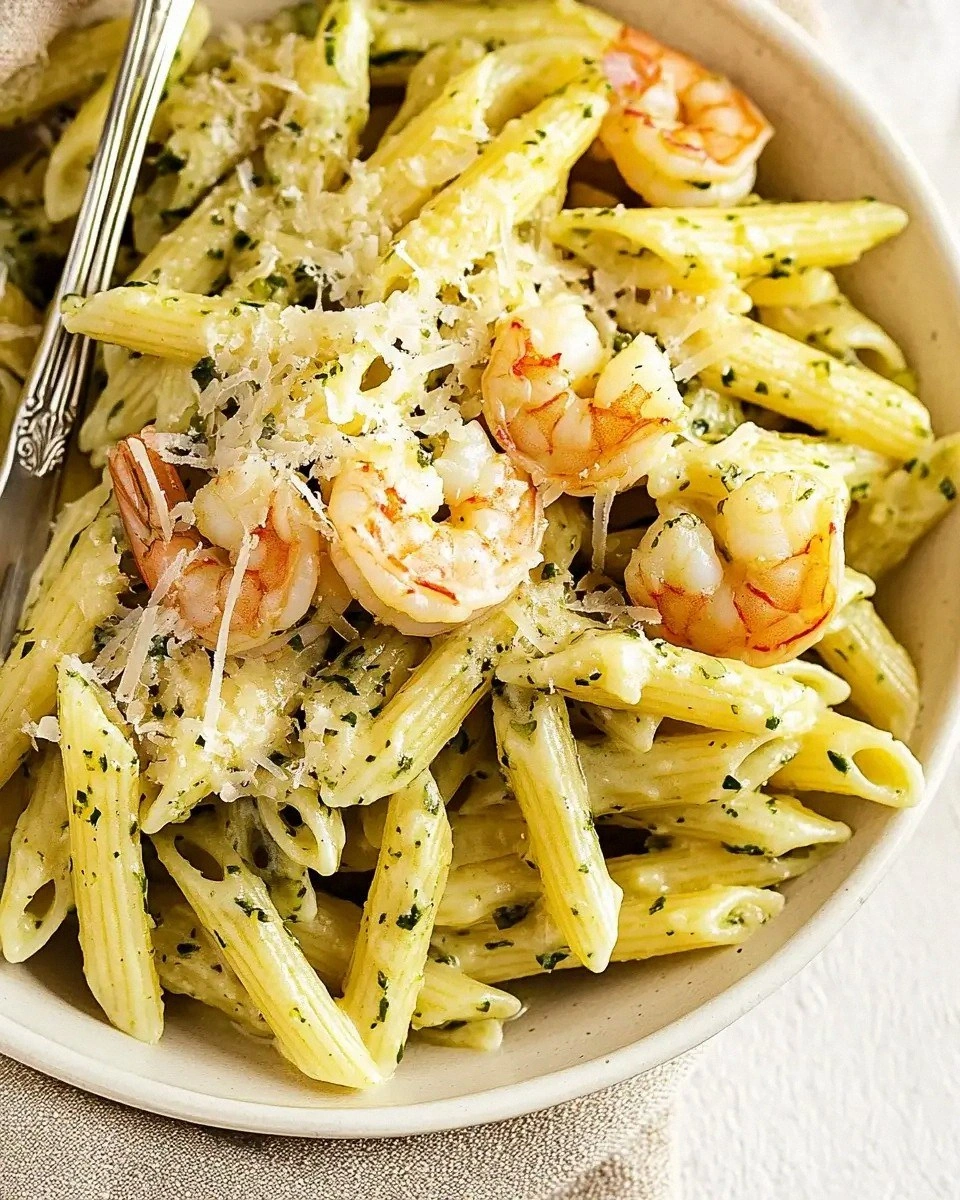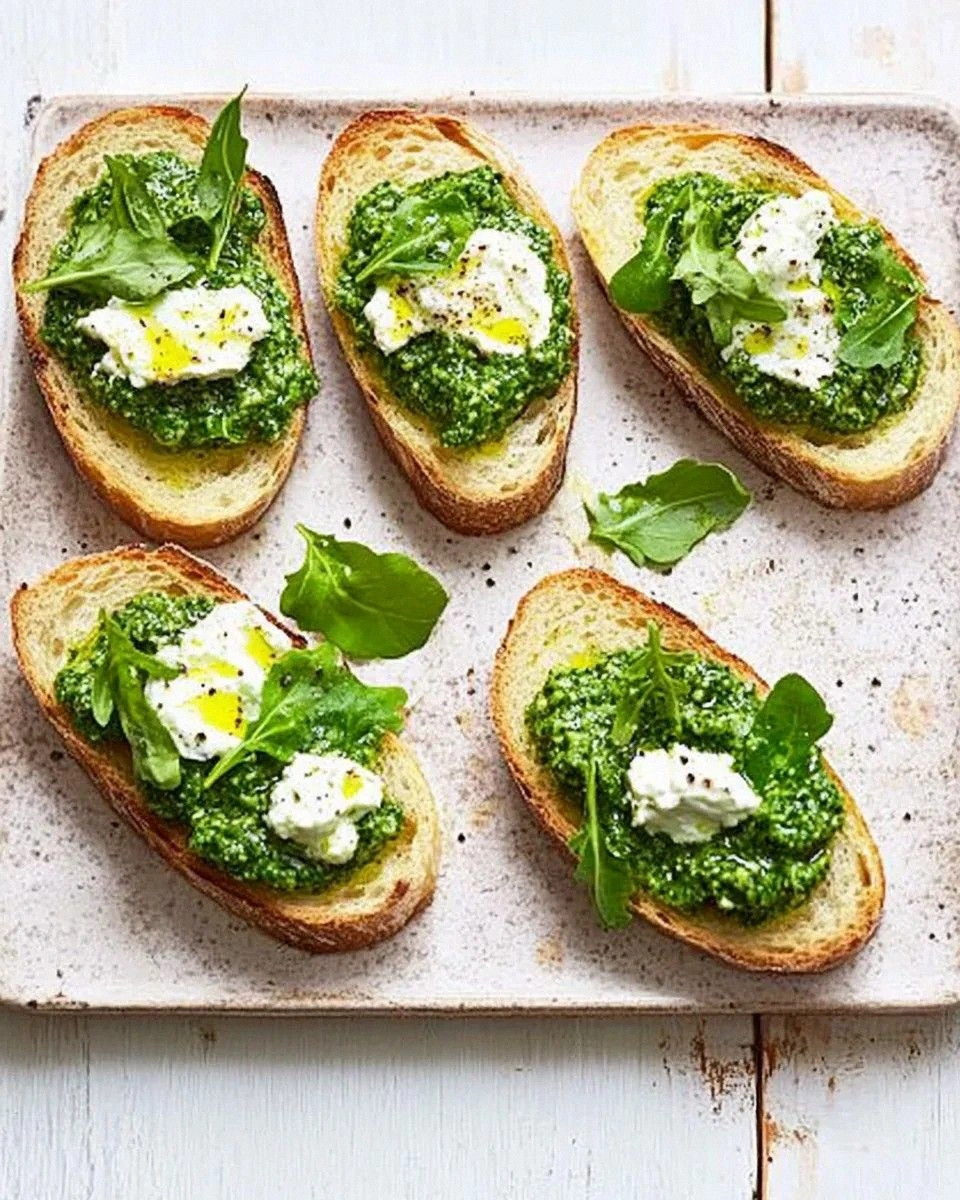
Okay, picture this: I’m juggling a pan of sizzling garlic, a bottle of olive oil that’s practically begging to be poured, and a handful of arugula that’s been flirting with the fridge for a week. In the middle of that culinary chaos, my roommate walks in, sniffs the air, and declares, “If you’re not making that green sauce thing again, I’m leaving.” I laughed, I dared him, and I said, “I dare you to taste this and not go back for seconds.” The result? A pesto so peppery it could slap a bland pasta dish into submission, and a kitchen that smelled like an Italian garden after a summer rainstorm. That moment was the spark that ignited what I now call the ultimate arugula pesto.
The first time I tried a traditional basil pesto, I felt like I was missing something—like a secret handshake you never learned. The basil was sweet, the pine nuts buttery, but there was no edge, no bite that made you sit up and say, “Whoa, that’s different!” So I grabbed a bunch of arugula, that wild, peppery leaf that usually hides in salads, and I threw it into the blender with a handful of almonds, a splash of lemon, and a drizzle of extra‑virgin olive oil. The result was a sauce that coats pasta like velvet, yet it has a bite that makes your taste buds do a little dance. Most recipes get this completely wrong. Here’s what actually works: you need to balance the bitterness of arugula with the richness of nuts and the acidity of lemon, and you have to treat the oil like liquid gold, adding it slowly while the blades are whirring.
I’ll be honest — I ate half the batch before anyone else got to try it, and that was a mistake I’m willing to repeat every single time. The reason this version stands out is simple: it respects the integrity of each ingredient while turning the whole thing into a symphony of flavors. The secret weapon? Toasted almonds that add a subtle crunch and a whisper of caramel, plus a dash of Parmesan that brings umami depth without overwhelming the peppery arugula. And if you think you need a fancy mortar and pestle, think again. A good food processor does the job just fine, and it gives you that perfect, slightly rustic texture that a smooth‑as‑silk pesto just can’t achieve.
Now, I’m not just handing you a list of ingredients and hoping you’ll figure it out. I’m walking you through every single step — by the end, you’ll wonder how you ever made it any other way. Ready for the game‑changer? Let’s dive deep into the world of arugula pesto and uncover the tricks that turn a simple sauce into a culinary masterpiece.
What Makes This Version Stand Out
- Taste: The peppery bite of arugula is balanced by the mellow nuttiness of almonds and the bright acidity of lemon, creating a flavor profile that’s both bold and harmonious.
- Texture: A gentle coarse grind leaves you with a sauce that clings to pasta like a lover’s embrace, yet still offers tiny almond crumbs for a satisfying crunch.
- Simplicity: No exotic ingredients, just pantry staples and fresh arugula; the process is straightforward enough for a weekday dinner but impressive enough for guests.
- Uniqueness: While basil dominates pesto lore, arugula brings a peppery edge that most people haven’t experienced, making it a conversation starter on any table.
- Crowd Reaction: Expect the “What’s in this?” question followed by a chorus of “More, please!” — it’s that good.
- Ingredient Quality: Fresh, vibrant arugula leaves are the heart of the dish; the greener and more peppery, the better the final result.
- Method: Gentle toasting of almonds and slow incorporation of oil create depth without bitterness, a step most shortcuts skip.
- Make‑Ahead Potential: This pesto stores beautifully in the fridge for up to a week, and it even freezes without losing its zing.
Alright, let's break down exactly what goes into this masterpiece...
Inside the Ingredient List
The Flavor Base
Arugula is the star of the show, delivering that unmistakable peppery bite that makes this pesto unforgettable. When you grab a bunch, look for deep green leaves with a slight sheen; those are the freshest and will give you the most vibrant color. If you skip the arugula, you’ll end up with a bland sauce that lacks its signature snap. As a swap, you could use a mix of baby spinach and a handful of radicchio for a milder version, but you’ll lose the bold edge that defines this recipe.
The Texture Crew
Almonds, toasted to a golden brown, bring a subtle crunch and a whisper of caramel that rounds out the peppery arugula. You could substitute walnuts for a richer, earthier flavor, but almonds keep the texture light and the taste bright. The olive oil, preferably extra‑virgin, acts as the silk that binds everything together; a low‑quality oil will make the pesto taste greasy rather than luxurious. Lastly, a generous grating of Parmesan cheese adds umami depth, turning the pesto from good to unforgettable.
The Unexpected Star
Lemon juice is the secret weapon that lifts the whole dish, cutting through the richness and balancing the bitterness of the arugula. Use freshly squeezed juice for maximum brightness; bottled lemon juice can introduce unwanted preservatives that dull the flavor. If you’re out of lemons, a splash of white wine vinegar works in a pinch, but the citrus note will be less pronounced.
The Final Flourish
A pinch of sea salt and a crack of black pepper are the final seasoning touches that bring all the flavors into harmony. Salt enhances the natural flavors, while pepper adds a subtle heat that echoes the arugula’s peppery nature. Remember, taste as you go — you’ll want the sauce to sing, not shout.
Everything's prepped? Good. Let's get into the real action...
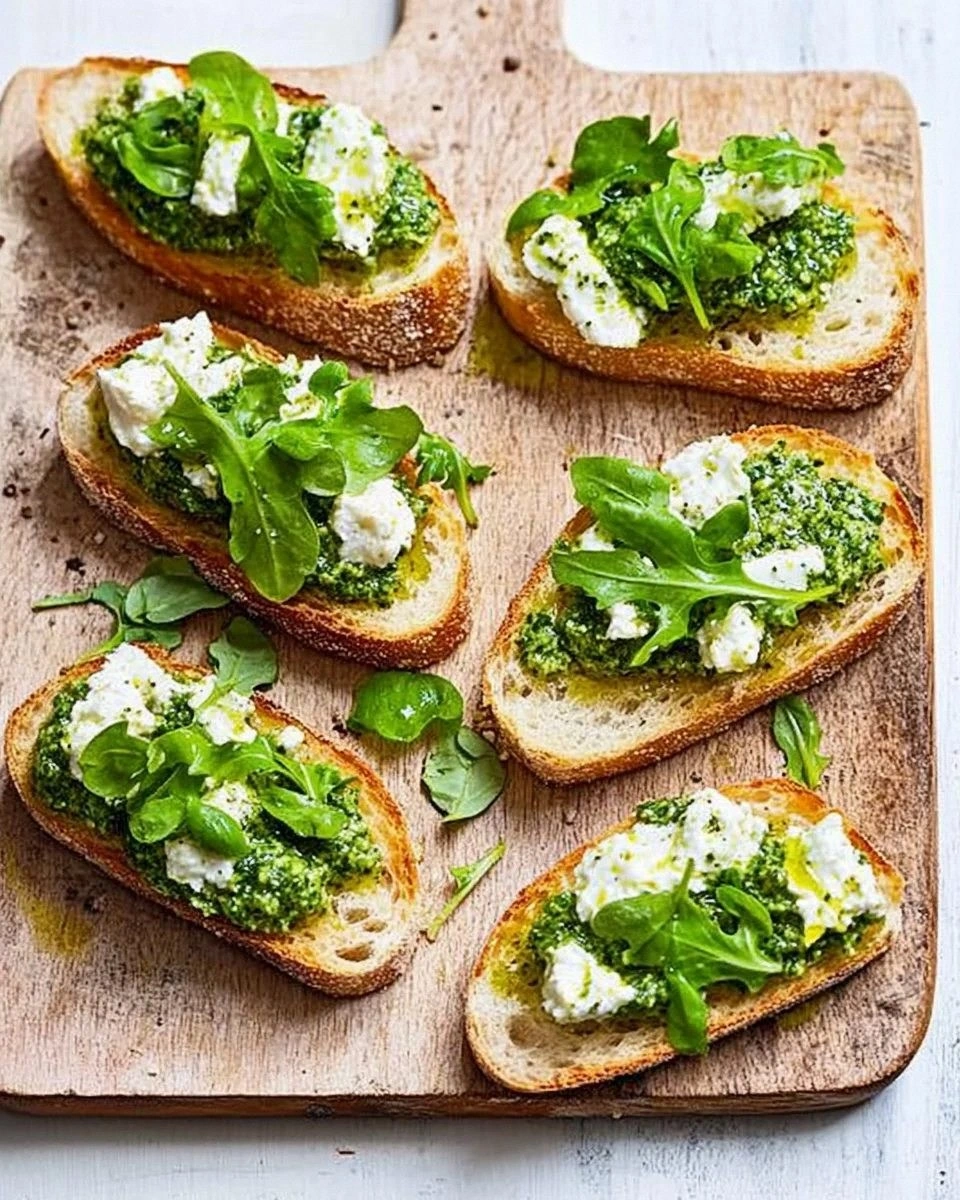
The Method — Step by Step
First, give your almonds a quick toast. Heat a dry skillet over medium heat, add the almonds, and stir constantly for about 4‑5 minutes. You’ll hear a gentle sizzle and see them turn a light golden brown; that’s the signal that they’re releasing their natural oils. Watch the color closely — if they darken too quickly, they’ll become bitter.
Watch Out: Over‑toasted almonds will impart a burnt taste that masks the fresh pepperiness of the arugula.While the almonds are cooling, rinse the arugula under cold water and pat it dry with a clean kitchen towel. The leaves should be completely dry; any excess water will dilute the oil later and give you a soupy pesto. I dare you to taste a raw leaf now — you’ll feel that peppery snap that’s the foundation of the sauce.
Grab your food processor and add the toasted almonds, a generous handful of arugula, and a good pinch of sea salt. Pulse a few times until the mixture looks like a coarse crumb. This is the moment of truth: you want the nuts broken down but still visible, not turned into a paste.
Now, drizzle in the olive oil very slowly while the processor is running. This slow incorporation is pure magic — the oil emulsifies with the greens and nuts, creating a silky, glossy texture. You’ll notice the mixture thickening and becoming smoother with each drizzle.
Kitchen Hack: Use a measuring cup with a spout to control the flow of oil; this prevents a sudden splash that could over‑mix the pesto.Add the freshly grated Parmesan cheese and a splash of lemon juice. The cheese should melt into the mixture, adding a creamy richness, while the lemon lifts everything with a bright zing. Taste at this point; the pesto should be peppery, nutty, and just a touch tangy. If it feels too thick, add a teaspoon of water to loosen it.
Season with a crack of black pepper and, if needed, a pinch more sea salt. Remember, the flavor will mellow a little once it sits, so aim for a slightly bolder profile now. Give the pesto one final pulse to blend the seasonings evenly.
Transfer the pesto to a clean jar, smooth the top with a spatula, and pour a thin layer of olive oil over the surface. This oil seal prevents oxidation, keeping the vibrant green color alive for days. Seal the jar and let it rest for at least 15 minutes before serving — this short rest allows the flavors to marry.
While the pesto rests, boil your favorite pasta (I recommend linguine or orecchiette) until al dente. Reserve a cup of pasta water before draining. Toss the hot pasta with a generous spoonful of pesto, adding a splash of the reserved water to help the sauce cling. The sauce should coat each strand like velvet, with tiny almond specks glimmering like gold dust.
Plate the pasta, finish with an extra drizzle of olive oil, a sprinkle of Parmesan, and a few whole toasted almond slivers for texture. Serve immediately, and watch your guests' eyes widen as they take the first bite. That's it — you did it. But hold on, I've got a few more tricks that'll take this to another level...
Insider Tricks for Flawless Results
The Temperature Rule Nobody Follows
Never process hot ingredients in a cold food processor; the blades will seize up and the texture will turn grainy. Keep everything at room temperature, especially the nuts and cheese, so the oil emulsifies smoothly. I once tried to blend warm pasta water straight into the pesto — the result was a soupy mess that never clung to the noodles. The secret? Let the pasta water cool just a tad before mixing, or add it in a thin stream while the processor is still running.
Why Your Nose Knows Best
Your sense of smell is a far more reliable indicator of doneness than a timer. When toasting almonds, the moment you catch that nutty, caramel aroma, you’re at the perfect point. Likewise, when the pesto is finished, you should smell a bright lemon note cutting through the richness; if the lemon is muted, add a few more drops. Trust your nose, and you’ll never over‑ or under‑season.
The 5‑Minute Rest That Changes Everything
After blending, let the pesto sit uncovered for five minutes. This brief pause allows the flavors to meld and the oil to settle, resulting in a more cohesive sauce. Skipping this step is a common mistake; I’ve seen people serve pesto straight from the processor and get a watery, uneven coating. The rest period is the difference between “good” and “hands down the best version you’ll ever make at home.”
Almond Toasting Technique
Instead of a skillet, try a baking sheet in a preheated oven at 350°F for 8‑10 minutes. The even heat distribution gives a uniform toast and frees up your stovetop for other prep. Watch out for the edges; they can brown faster than the centers, so give the tray a quick shake halfway through. This method also yields a slightly deeper flavor, perfect for those who love a richer nutty backdrop.
The Secret Splash
If your pesto looks a little thick after the final blend, add a teaspoon of the reserved pasta water or a splash of the lemon juice you set aside. This tiny addition re‑emulsifies the sauce, making it glossy and silk‑smooth. I once added too much water and ended up with a thin broth; the trick is to add just enough to achieve that luxurious coat.
Creative Twists and Variations
This recipe is a playground. Here are some of my favorite ways to switch things up:
Spicy Arugula Pesto
Add a pinch of red‑pepper flakes or a small jalapeño while blending. The heat amplifies the peppery arugula, turning the sauce into a bold, tongue‑tingling companion for grilled chicken or fish. Perfect for those who love a little fire.
Nut‑Free Sunshine
Swap almonds for roasted pumpkin seeds (pepitas). They bring a buttery texture and a subtle earthy flavor while keeping the pesto nut‑free for allergy‑sensitive guests. The green hue stays vivid, and the taste remains delightfully peppery.
Herb‑Infused Fusion
Blend a handful of fresh basil or parsley with the arugula for a herbaceous twist. The basil adds sweetness, while parsley contributes a fresh, grassy note. This hybrid pesto works wonderfully on roasted vegetables or as a spread for sandwiches.
Cheese‑Lover’s Dream
Replace Parmesan with Pecorino Romano for a sharper, saltier profile. The sharper cheese cuts through the arugula’s bitterness, creating a balanced, robust sauce that pairs beautifully with hearty pasta shapes like rigatoni.
Citrus Burst
Swap half of the lemon juice for orange zest and a splash of orange juice. The citrus sweetness softens the peppery edge and adds a sunny aroma that’s perfect for spring salads or grilled shrimp.
Storing and Bringing It Back to Life
Fridge Storage
Transfer the pesto to a glass jar, smooth the top, and pour a thin layer of olive oil over the surface. Seal tightly and store in the refrigerator for up to 7 days. The oil barrier keeps air out, preserving the bright green color and preventing oxidation.
Freezer Friendly
Portion the pesto into silicone ice‑cube trays or small freezer‑safe bags. Freeze for up to 3 months. When you need it, pop a cube into a hot pan or stir directly into pasta; the pesto will melt back to its original texture.
Best Reheating Method
To revive refrigerated pesto, let it come to room temperature, then stir in a splash of water or extra lemon juice. If you’re heating it, do so gently over low heat, adding a drizzle of olive oil to restore its glossy finish. This tiny splash of liquid steams the pesto back to perfection, preventing it from drying out.