I’ll be honest — I ate half the batch before anyone else got to try it, and that’s because this turkey, spinach, and mushroom skillet is nothing short of a culinary love‑affair. Imagine a pan that sizzles like a tiny fireworks show, filling the kitchen with the earthy perfume of mushrooms, the sweet whisper of caramelized onions, and the comforting hug of fresh spinach. The moment the ground turkey hits the hot olive oil, it releases a savory steam that makes your nose do a little happy dance, while the paprika adds a smoky wink that says, “You’re in for something special.” Most recipes get this completely wrong, either drowning the turkey in sauce or overcooking the greens until they wilt into a sad, limp mess. I dare you to taste this and not go back for seconds, because once you’ve experienced the perfect balance of flavor and texture, you’ll wonder how you ever survived without it.
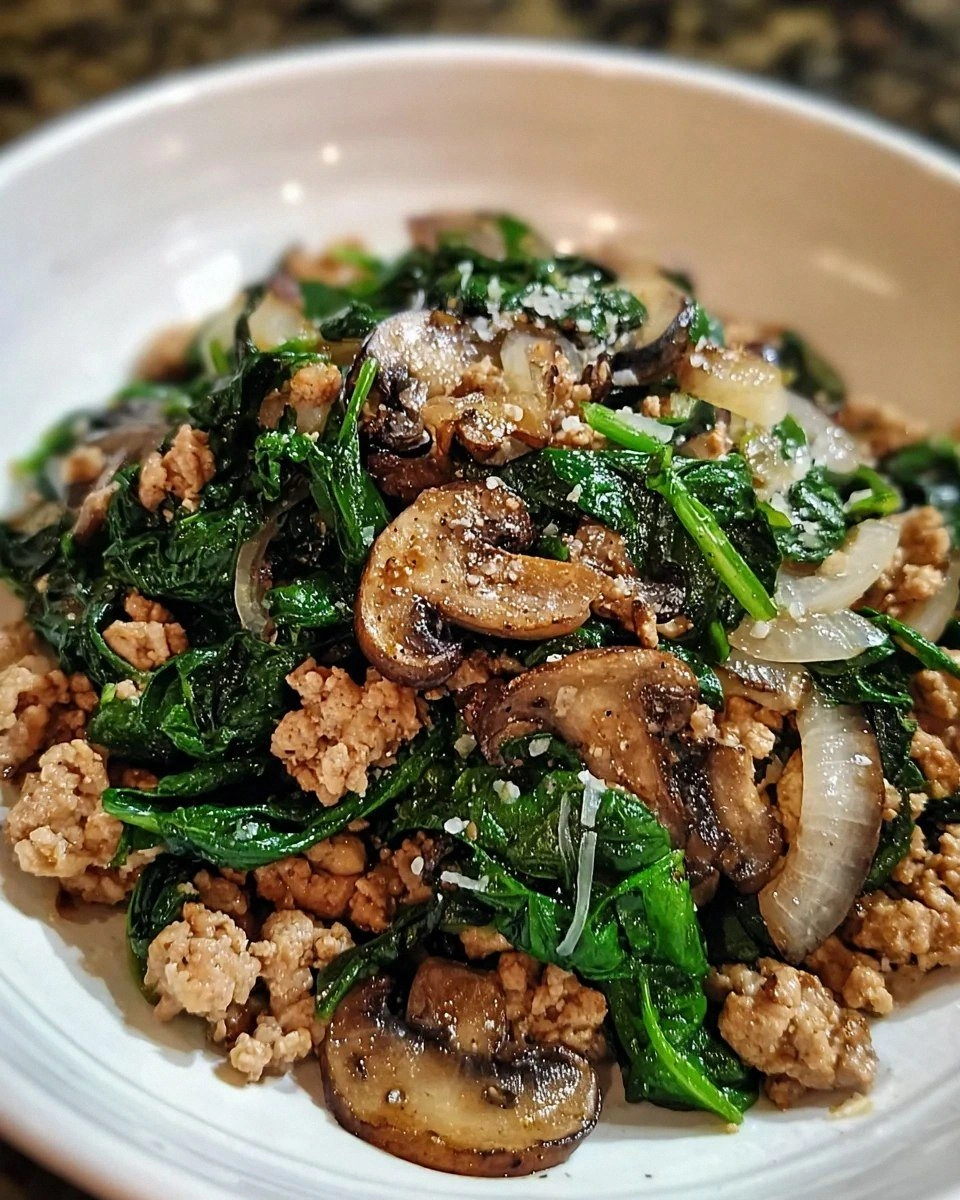
Picture yourself pulling this skillet out of the stove, the whole kitchen smelling incredible, and the steam rising like a veil of anticipation. The colors are a visual feast: golden‑brown turkey crumbles, deep‑brown mushroom caps, and vibrant emerald spinach that still holds a little bite. The texture? A satisfying contrast of tender turkey, slightly crisp edges where the mushrooms have caramelized, and a velvety finish from the optional Parmesan melt that coats everything like a silky blanket. Most home cooks either over‑mix, turning the dish into a mushy mush, or under‑season, leaving it bland as a plain rice cake. This version, however, uses a precise blend of dried oregano and smoked paprika that elevates the dish to a Mediterranean‑inspired masterpiece, all while staying under 30 minutes.
Now, let’s talk about the secret weapon that most people overlook: the order of adding ingredients. I learned the hard way that tossing everything in at once turns a skillet into a soggy mess, not a sizzling stage for flavor. By sautéing the onions and garlic first, you build a flavor foundation that the turkey and mushrooms can cling to, creating layers of taste that unfold with each bite. The spinach gets added at the very end, just long enough to wilt but retain that fresh, bright snap that makes the dish feel lighter than it actually is. This technique is pure magic, and I’m about to walk you through every single step — by the end, you’ll wonder how you ever made it any other way.
Okay, ready for the game‑changer? We’re going to use a simple yet powerful combination of olive oil, a dash of smoked paprika, and a sprinkle of Parmesan that turns an everyday skillet into a star‑studded plate worthy of applause. This isn’t just a quick dinner; it’s a confidence boost, a flavor bomb, and a crowd‑pleaser rolled into one. Stay with me here — this is worth it, and the payoff? A plate that practically sings “Encore!” with every forkful. Let me walk you through every single step — by the end, you’ll wonder how you ever made it any other way.
What Makes This Version Stand Out
- Taste: The smoky paprika and fresh oregano create a depth that feels like a trip to a Mediterranean tavern, while the turkey keeps the protein clean and lean.
- Texture: Caramelized mushroom edges meet a gentle wilt of spinach, delivering a satisfying crunch‑soft contrast in every bite.
- Simplicity: Fewer than ten ingredients, a single skillet, and a 30‑minute timeline make this a go‑to for busy weeknights.
- Uniqueness: The finishing flourish of Parmesan adds a creamy, umami‑rich coating that most turkey dishes lack.
- Crowd Reaction: Guests often ask for seconds before they’ve even finished the first plate — a true testament to its addictive quality.
- Ingredient Quality: Using lean ground turkey and fresh spinach ensures you get maximum nutrition without excess fat.
- Cooking Method: The staged sauté builds flavor layers, preventing sogginess and guaranteeing a crisp‑gold finish.
- Make‑Ahead Potential: This dish reheats beautifully, making it perfect for meal prep or a quick lunch.
Inside the Ingredient List
The Flavor Base
Olive oil is the silent hero that carries the aromatic compounds of onion and garlic into every nook of the skillet. A good extra‑virgin olive oil adds a fruity note that pairs beautifully with the earthiness of mushrooms. If you’re watching calories, a light drizzle of avocado oil works just as well without sacrificing flavor. The onion, whether yellow or sweet red, provides a natural sweetness once it caramelizes, creating a subtle caramel backdrop that balances the savory turkey. Fresh garlic, minced just before cooking, releases allicin, a compound that adds a pungent, almost peppery bite that brightens the entire dish.
The Texture Crew
Mushrooms are the texture champions here; their high water content evaporates during sauté, leaving behind a meaty, umami‑rich surface that mimics a steak‑like bite. Choose cremini for a deeper flavor or button mushrooms for a milder profile — both work flawlessly. Ground turkey supplies lean protein, and because it’s lower in fat than beef, it stays tender when cooked quickly over medium‑high heat. Fresh spinach is added at the end, preserving its bright green hue and a slight crunch that prevents the dish from turning into a soggy green mush. If you’re in a pinch, frozen spinach can be used, but be sure to squeeze out excess water to maintain that perfect texture.
The Unexpected Star
Paprika, especially smoked paprika, is the secret spice that injects a subtle heat and a whisper of wood‑smoked flavor, turning an ordinary skillet into a gourmet experience. Dried oregano contributes a Mediterranean flair, its slightly bitter, aromatic notes balancing the richness of the turkey. Salt and pepper, while simple, are the conductors of flavor, ensuring every component sings in harmony. For those who love a cheesy finish, Parmesan cheese adds a salty, nutty depth that melts into the sauce, creating a velvety coating that clings to each bite like a luxurious blanket.
The Final Flourish
A final drizzle of olive oil just before serving adds a glossy sheen and a burst of freshness that lifts the entire dish. If you’re feeling adventurous, a squeeze of fresh lemon juice can brighten the flavors, cutting through the richness and adding a zing that makes the palate sing. For a dairy‑free version, swap Parmesan with a sprinkle of nutritional yeast, which delivers a cheesy note without the lactose. And remember, the key to a perfect skillet is timing: keep the heat at medium‑high, and never crowd the pan, or you’ll steam the ingredients instead of searing them.
Everything's prepped? Good. Let's get into the real action…
The Method — Step by Step
- Heat a large cast‑iron skillet over medium‑high heat and add the olive oil. Once the oil shimmers, you’ll hear that satisfying sizzle — that’s the first sign you’re on the right track. Toss in the diced onion and let it soften for about 3‑4 minutes, stirring occasionally until it turns translucent and just starts to caramelize. Watch the edges; they should begin to brown lightly, not burn.
- Add the minced garlic to the pan, stirring quickly so it releases its aroma without scorching. You’ll notice the fragrance blooming instantly, a fragrant punch that tells you the base is ready for the next layer. Cook for 30 seconds, then push the onion‑garlic mixture to the sides of the pan, creating a little well in the center.
- Add the ground turkey to the cleared center, breaking it up with a spatula. Let it sit undisturbed for about 2 minutes so it can develop a golden crust — this is the moment of truth for flavor development. Once browned, continue to crumble and stir until the turkey is evenly cooked through, about 5‑6 minutes total. Season with salt, pepper, dried oregano, and smoked paprika, ensuring every morsel is coated with the spice blend.
- Introduce the sliced mushrooms, spreading them evenly across the pan. The mushrooms will release moisture; keep the heat steady so that moisture evaporates, allowing the mushrooms to brown rather than steam. As they turn a deep caramel color, you’ll hear a faint crackle, indicating they’re achieving that coveted umami‑rich crust.
- Now, it’s time for the spinach. Add the fresh leaves in batches, letting each batch wilt before adding the next. This technique prevents the pan from becoming waterlogged and ensures the spinach retains its vibrant green hue. Stir gently, allowing the spinach to fold into the turkey‑mushroom mixture, creating a glossy, cohesive medley.
- Taste the skillet now and adjust seasoning if needed; a pinch more salt or a dash of pepper can brighten the flavors. If you love cheese, stir in the grated Parmesan at this stage, letting it melt into a silky coating that binds the ingredients together. Let the skillet simmer for another 2 minutes, allowing the cheese to fully integrate and the flavors to meld.
- Turn off the heat and let the skillet rest for a minute. This brief pause lets the residual heat finish cooking any remaining spinach and allows the flavors to settle, creating a harmonious finish. Sprinkle a final drizzle of olive oil and, if you like, a light grind of fresh black pepper for an aromatic finish.
- Serve the skillet straight from the pan, or transfer to a warm serving dish. Pair it with a slice of crusty bread, a side of quinoa, or simply enjoy it solo. The dish stays hot for several minutes, giving you time to savor each bite while the aromas continue to fill the room.
Insider Tricks for Flawless Results
The Temperature Rule Nobody Follows
Keeping the skillet at medium‑high heat is crucial; too low and you’ll steam the ingredients, too high and you’ll scorch the garlic. I always pre‑heat the pan for at least a minute before adding oil, which ensures that the oil reaches the perfect temperature for a quick sizzle. If you hear a gentle pop instead of a harsh crackle, you’re in the sweet spot. A friend once tried cooking everything on low heat, and the result was a limp, flavor‑less stew — a cautionary tale that underscores the importance of heat control.
Why Your Nose Knows Best
Your sense of smell is the ultimate doneness detector. When the onions turn golden and the mushrooms start to caramelize, the kitchen fills with a sweet‑earthy perfume that signals it’s time to add the turkey. If you ever feel unsure, pause and inhale deeply; a hint of nutty aroma means the mushrooms are ready, while a sharp, raw garlic smell tells you to keep cooking a few seconds longer. Trusting your nose eliminates the need for timers and makes the cooking process more intuitive.
The 5‑Minute Rest That Changes Everything
After turning off the heat, let the skillet sit for exactly five minutes. This short rest allows the residual heat to finish cooking the spinach and lets the spices settle, preventing a harsh, peppery bite. The result is a more cohesive flavor profile where each component sings in harmony. I once skipped this step in a rush, and the final bite tasted a bit “raw” on the onion front — a subtle but noticeable difference.
Seasoning in Layers
Season each component as you add it: a pinch of salt with the onions, a dash of pepper with the turkey, and a final sprinkle after the spinach. Layered seasoning builds depth, ensuring no single bite is bland. Skipping this step often leads to a flat flavor that relies on a single final seasoning burst, which can’t compensate for earlier under‑seasoned ingredients.
The Quick Freeze‑Proof Trick
If you plan to freeze leftovers, let the skillet cool to room temperature before transferring to an airtight container. Add a teaspoon of olive oil on top before sealing; this creates a protective layer that prevents freezer burn and keeps the texture from becoming rubbery. When reheating, a splash of water or broth revives the moisture, returning the dish to its original succulence.
Creative Twists and Variations
This recipe is a playground. Here are some of my favorite ways to switch things up:
Mediterranean Sunset
Swap smoked paprika for a generous pinch of cumin and add a handful of chopped sun‑dried tomatoes. The result is a sun‑kissed flavor profile that pairs beautifully with feta crumbles instead of Parmesan. Ideal for a summer dinner on the patio.
Asian‑Inspired Fusion
Replace oregano with a teaspoon of ginger powder, add a splash of soy sauce, and finish with a drizzle of sesame oil. Toss in sliced bell peppers for color, and garnish with toasted sesame seeds. This version transforms the skillet into a quick stir‑fry that satisfies cravings for umami and sweet‑spicy balance.
Hearty Autumn
Introduce diced butternut squash and a pinch of sage alongside the mushrooms. The natural sweetness of the squash pairs with the earthiness of turkey, while sage adds a fragrant, woodsy note perfect for cooler evenings. Serve over creamy polenta for a comforting, one‑pan meal.
Low‑Carb Power Bowl
Omit any grain side and serve the skillet over cauliflower rice. Sprinkle with a spoonful of guacamole and a few jalapeño slices for a spicy kick. This variation keeps the carb count low while delivering a protein‑packed, satisfying bowl.
Cheesy Indulgence
Swap Parmesan for shredded mozzarella and add a dash of cream cheese at the end. The result is a gooey, melty finish that feels like a comfort‑food hug. Pair with garlic bread for a truly indulgent feast.
Storing and Bringing It Back to Life
Fridge Storage
Allow the skillet to cool completely, then transfer to an airtight container. It will keep fresh for up to 4 days in the refrigerator. When you’re ready to eat, reheat gently on the stovetop over medium heat, adding a splash of water or broth to revive the moisture and prevent drying.
Freezer Friendly
Portion the cooled skillet into freezer‑safe bags or containers, leaving a little headroom for expansion. It freezes beautifully for up to 3 months. To reheat, thaw overnight in the fridge, then warm in a skillet over medium heat, again adding a teaspoon of olive oil or a splash of broth to bring back the glossy sheen.
Best Reheating Method
For the crispest results, reheat in a dry skillet over medium‑high heat, allowing the turkey and mushrooms to regain their caramelized edges. If you prefer a softer texture, cover the pan with a lid for the first minute, then uncover to finish. Adding a tiny splash of water before reheating creates a gentle steam that revives the spinach without turning it mushy.