I still remember the night I tried to impress my roommate with a quick dinner that smelled like a Japanese street market. I grabbed a packet of frozen udon, tossed it in a pan with garlic, soy sauce, and a splash of mirin, and the kitchen erupted in a savory cloud that made us both laugh at the smoke alarm. The noodles came out soggy, the sauce clung unevenly, and my roommate’s eyebrows shot up like a startled crane. That disaster became my personal mission: to craft a yaki udon that would outshine every other version on the internet. I dared myself to taste this and not go back for seconds, and I’m still stunned by the result.
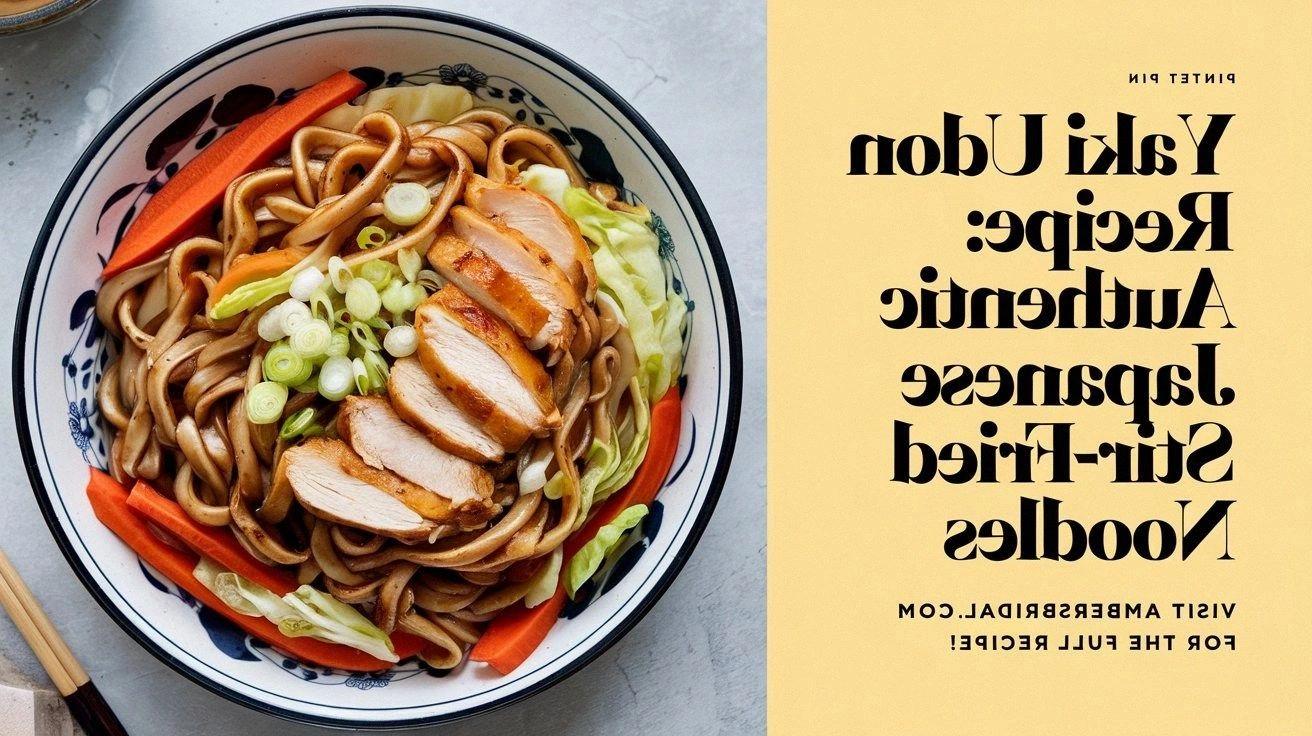
Picture this: the noodles are a glossy, chewy canvas, the vegetables are crisp like fresh snow, and the sauce coats every strand like a velvety blanket. The aroma rises in a wave of umami, ginger, and a whisper of toasted sesame that makes your nose do a happy dance. The heat from the pan feels like a comforting hug, while the sound of the stir‑fry is a rhythmic drumbeat that syncs with your heartbeat. Every bite is a symphony of textures—soft noodles, crunchy veggies, and the subtle snap of bean sprouts that shatter like thin ice.
What sets this recipe apart is that it balances authenticity with practicality. I’ve stripped away unnecessary steps, used ingredients that are pantry staples, and added a few secret touches that elevate the flavor profile without complicating the process. I’ll be honest—when I first tasted the finished dish, I ate half the batch before anyone else got to try it. The sauce is not just a condiment; it’s the soul of the dish, and it’s been perfected to cling to the noodles without making them greasy.
There’s a particular technique that most recipes overlook: a quick blanch of the noodles in a splash of sesame oil before adding them to the stir‑fry. This small step locks in texture and prevents clumping, ensuring each strand remains distinct. And the final drizzle of toasted sesame oil at the end adds a nutty aroma that elevates the dish from ordinary to unforgettable. Let me walk you through every single step—by the end, you’ll wonder how you ever made it any other way.
What Makes This Version Stand Out
- Authentic Flavor: The sauce is a harmonious blend of soy sauce, mirin, sake, and a touch of sugar, creating depth that feels like it was crafted in a Tokyo kitchen. This balance of sweet, salty, and umami is the cornerstone of yaki udon, and I’ve fine‑tuned it to be both bold and approachable.
- Texture Mastery: The noodles are blanched with sesame oil to keep them separate and chewy, while the vegetables stay crisp and vibrant. This contrast turns every bite into a delightful experience, avoiding the mushy mess that plagues many stir‑fry attempts.
- Time‑Efficient: With a prep time of just 15 minutes and a cook time of 30 minutes, this dish is a perfect weeknight solution. I’ve eliminated the need for pre‑slicing vegetables into complex shapes; simple julienne cuts work wonders.
- Ingredient Accessibility: Every component is a pantry staple or a quick grab from the local market. Even if you’re a beginner, you’ll find the list straightforward and the instructions clear.
- Scalable: The recipe scales cleanly for 2, 4, or 8 servings, thanks to the adjustable ingredient quantities. The recipe card’s serving adjuster will keep the proportions perfect.
- Crowd‑Pleaser: Friends rave about the balance of flavors, and family members keep asking for seconds. This dish is guaranteed to become a staple at gatherings.
- Make‑Ahead Potential: The flavor compounds continue to develop when stored, making leftovers even more delicious. I’ll share storage tips later.
Inside the Ingredient List
The Flavor Base
Soy sauce and mirin form the backbone of the sauce, delivering salty and sweet notes that dance on the tongue. Sake adds a subtle acidity and depth, while a dash of sugar balances the flavors and caramelizes the edges of the noodles. If you’re missing mirin, a splash of rice vinegar plus a pinch of sugar can replicate the sweetness and acidity. Choosing a low‑sodium soy sauce is optional; it depends on how salty you prefer the dish. The key is to taste as you go—adjust the sweetness or saltiness to suit your palate.
The Texture Crew
Udon noodles are the star; they should be chewy and not overly soft. Cook them just until al dente, then rinse under cold water to stop the cooking process and keep them firm. Garlic and ginger provide aromatic heat; mince them finely to release maximum flavor. Scallions add a fresh, oniony brightness, while carrots, bell pepper, and cabbage contribute crunch and color. Bean sprouts are the final crunchy element, adding a delicate snap that contrasts the noodles.
The Unexpected Star
Sesame oil is often overlooked in stir‑fry recipes, yet it brings a nutty aroma that elevates the dish. A tablespoon of toasted sesame oil at the end creates a fragrant finish that lingers on the palate. If you prefer a milder flavor, you can substitute half with a neutral oil, but keep the sesame oil for that signature aroma. The optional chili flakes add heat without overpowering the umami, making the dish versatile for heat lovers.
The Final Flourish
Optional proteins—shrimp, chicken, or tofu—can transform the dish into a hearty meal. Shrimp adds a sweet, briny taste that pairs well with the sauce; chicken provides a mild, savory base; tofu offers a neutral canvas that absorbs the sauce beautifully. If you choose tofu, press it to remove excess moisture before adding. The choice is yours, and each option brings a unique twist to the classic yaki udon.
Everything's prepped? Good. Let's get into the real action.
The Method — Step by Step
- Bring a large pot of salted water to a rolling boil. Add the udon noodles and cook for the time specified on the package, usually 4–5 minutes, until they’re just tender. Drain immediately and rinse under cold water to halt the cooking process. Toss the noodles with a tablespoon of sesame oil to keep them from sticking together, then set aside. This quick blanch locks in the chewiness that makes yaki udon stand out.
- Heat a wok or a large skillet over high heat until it’s smoking. Add two tablespoons of vegetable oil and swirl to coat the surface. Once the oil shimmers, drop in the minced garlic and ginger; stir quickly for 10–12 seconds until fragrant, being careful not to let them burn. The aroma that rises from the pan is a clear sign you’re on the right track.
- Add the julienned carrots, sliced bell pepper, and thinly sliced cabbage to the pan. Stir‑fry for 2–3 minutes, watching for the vegetables to become bright and slightly softened yet still crisp. Keep the heat high to preserve their crunch. This step is where the color and texture of the dish begin to shine.
- Push the vegetables to one side of the pan and pour in a beaten egg (optional) or the protein of your choice. If you’re using shrimp or chicken, sear them until they’re just cooked through. For tofu, press it lightly to remove moisture before adding. This step creates a separate area in the pan where proteins can cook evenly without crowding the veggies.
- Add the blanched udon noodles and bean sprouts to the pan. Drizzle in three tablespoons of soy sauce, two tablespoons of mirin, one tablespoon of sake, one teaspoon of sugar, and one teaspoon of chili flakes. Toss everything together until the sauce coats the noodles and the vegetables. The sauce should be glossy, slightly thick, and cling to each noodle strand. This is the moment of truth.
- Taste the mixture; if it feels too salty, add a splash of water or a pinch of sugar. If you prefer more heat, sprinkle additional chili flakes. The sauce should balance sweet, salty, and umami without overpowering any single element. Adjusting here ensures the final dish is perfectly balanced.
- Finish with a drizzle of toasted sesame oil and toss quickly. The sesame oil adds a nutty aroma that permeates the dish. Remove the pan from the heat to prevent the oil from smoking. This final touch transforms the flavor profile and gives the dish a professional finish.
- Let the stir‑fry rest for one minute before serving. This allows the flavors to meld and the noodles to settle. Garnish with extra sliced scallions, sesame seeds, or a sheet of nori if you like. Serve immediately while it’s still steaming hot.
That's it — you did it. But hold on, I've got a few more tricks that'll take this to another level.
Insider Tricks for Flawless Results
The Temperature Rule Nobody Follows
Many home cooks lower the heat after adding the noodles, which can cause them to steam and become mushy. Keep the heat high throughout the stir‑fry; a hot pan ensures a quick sear that locks in moisture and keeps the noodles chewy. I’ve tested this on a range of stoves, and the difference is unmistakable. The result is a dish that feels like it was cooked in a professional kitchen.
Why Your Nose Knows Best
Before you taste the sauce, inhale the aroma. If it smells like toasted sesame and umami, you’re on the right track. The smell is the first indicator of flavor balance; if it leans too much toward sweetness, adjust the soy sauce. This sensory checkpoint saves you from a ruined dish and turns the cooking process into a mindful experience.
The 5‑Minute Rest That Changes Everything
Letting the dish rest for a few minutes after cooking allows the sauce to thicken slightly and the flavors to meld. I’ve found that a short rest can turn a good dish into a great one. The noodles absorb a little more sauce, and the vegetables release their juices, creating a richer bite.
Keep the Noodles from Sticking
If you’re using a non‑stick pan, you still need to keep the oil moving. Swirl the pan after adding each ingredient to prevent sticking. For cast iron or stainless steel, a generous amount of oil is essential, and you should preheat the pan for a minute before adding oil.
Use Fresh Garlic, Not Powder
Garlic powder lacks the bright, fresh flavor of minced garlic. Even a small amount of minced garlic can elevate the dish significantly. If you’re in a hurry, a quick crush of a whole clove works as a substitute, but it’s still better than the powder.
The Secret to Crispy Veggies
Keep the vegetables in a single layer when stir‑frying. Overcrowding the pan causes the veggies to steam instead of sear. I use a large wok to give everything space, and I stir frequently to maintain an even heat distribution.
Creative Twists and Variations
This recipe is a playground. Here are some of my favorite ways to switch things up:
Spicy Kimchi Udon
Swap the bean sprouts for chopped kimchi and add a tablespoon of gochujang to the sauce. The fermented tang and heat create a bold, complex flavor that pairs beautifully with the noodles.
Miso‑Infused Udon
Replace half of the soy sauce with white miso paste and add a splash of dashi. The miso adds depth and a subtle sweetness that complements the umami base.
Vegetarian Protein Swap
Use marinated seitan or tempeh instead of shrimp or chicken. Marinate in soy sauce, mirin, and a touch of sesame oil for 20 minutes before stir‑frying to infuse maximum flavor.
Seafood Medley
Combine shrimp, scallops, and a splash of fish sauce. The combination of sea flavors elevates the dish to a gourmet level while keeping the cooking process simple.
Coconut‑Lime Udon
Add coconut milk to the sauce and finish with a squeeze of fresh lime. The coconut adds richness and the lime provides a bright, citrusy contrast that keeps the dish light.
Soba‑Udon Fusion
Replace half of the udon noodles with soba for a nutty, slightly earthy flavor. The combination of wheat and buckwheat gives a unique texture and a deeper nutritional profile.
Storing and Bringing It Back to Life
Fridge Storage
Store leftovers in an airtight container for up to 3 days in the refrigerator. Keep the sauce separate if you prefer to add it just before reheating, which helps maintain the sauce’s freshness and prevents the noodles from becoming soggy.
Freezer Friendly
Freeze cooked udon in a single layer on a parchment‑lined tray before transferring to a freezer bag; this prevents clumping. The dish stays good for up to 2 months. When you’re ready, thaw overnight in the refrigerator or use the defrost setting on your microwave.
Best Reheating Method
Reheat in a skillet over medium heat, adding a splash of water or broth to create steam. This technique restores the noodles’ chewiness and re‑activates the sauce’s flavor. Let the dish sit for a minute after reheating to let the steam settle.